Stepping into 5th grade marks an exciting time for young readers, as they move beyond simple retellings and begin to explore the deeper layers of a story. Book reports at this level aren’t just about proving you read a book; they’re an opportunity to develop critical thinking, express personal opinions, and learn how to analyze literature in a more sophisticated way. It’s about discovering what makes a story tick, understanding characters’ motivations, and identifying the big ideas an author wants to share.
For many students, and often their parents, the thought of tackling a 5th grade book report can feel a little daunting. Where do you even begin? What information is most important to include, and how should it all be organized so it makes sense and earns a good grade? The goal is to move beyond “I liked it” or “it was boring” to a more articulate and evidence-based discussion of the book.
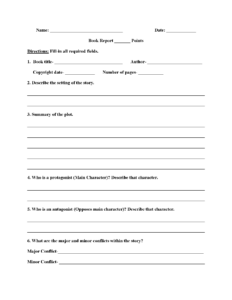
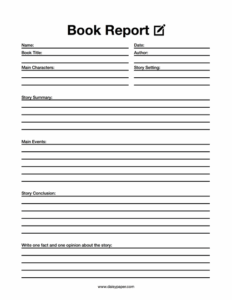
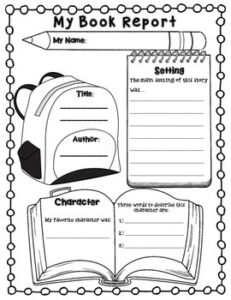
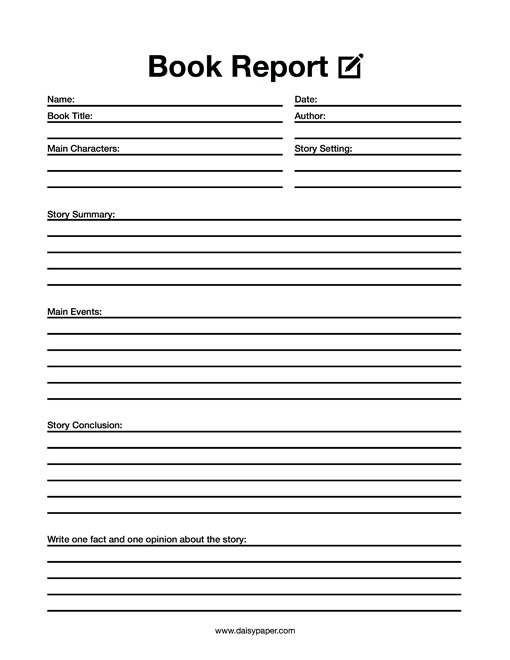
That’s where a well-structured guide can make all the difference. This article aims to demystify the process, offering insights into what teachers are looking for and providing practical advice to help your 5th grader shine. We’ll explore the essential components of a fantastic report and even suggest elements for a helpful 5th grade book report template that can serve as your go-to resource.
What Makes a Great 5th Grade Book Report?
A stellar book report in 5th grade goes far beyond merely summarizing the plot. While a brief overview of the story is definitely necessary to set the stage, the real magic happens when students delve into analysis. This means thinking about *why* things happened, *how* characters changed, and *what* the author might be trying to teach the reader. It encourages a deeper engagement with the text, transforming passive reading into an active, investigative process. Students are asked to form opinions and, crucially, support those opinions with evidence directly from the book.
One of the most important aspects is the development of a clear structure. A strong introduction should hook the reader and state the book’s title and author, followed by body paragraphs that each focus on a specific aspect of the book, such as character development, setting, or theme. Finally, a conclusion should summarize the main points without introducing new information, often including a personal recommendation or final thought. This organizational skill is invaluable for all future academic writing.
Fifth graders are also encouraged to begin using details and examples from the book to back up their claims. Instead of just saying a character was “brave,” they might describe an incident where the character showed courage. This practice of providing textual evidence is a cornerstone of literary analysis and helps students build a persuasive argument. It teaches them to look closely at the words on the page and understand their significance.
Furthermore, a great report often reflects the student’s personal connection to the story. Did the book make them laugh, cry, or think differently about something? What lessons did they learn? Sharing these personal insights makes the report more authentic and engaging, demonstrating a genuine understanding and appreciation of the literature. It shows that the book resonated with them beyond just following the storyline.
Finally, presentation matters. A neat, organized, and well-written report, free from grammatical errors and spelling mistakes, conveys care and effort. It reflects the student’s pride in their work and makes it easier for the teacher to follow their thoughts and ideas. Even at this age, learning to proofread and revise is a critical part of the writing process.
Key Elements to Include
- Book Title and Author: Always start with the basics.
- Genre: Is it fantasy, historical fiction, mystery, biography?
- Main Characters: Who are the central figures, and what are they like?
- Setting: Where and when does the story take place? How does it affect the plot?
- Brief Plot Summary: A concise overview of the main events, without giving away too many spoilers.
- Conflict and Resolution: What is the main problem the characters face, and how is it solved?
- Theme or Main Idea: What is the big lesson or message the author wants to convey?
- Character Analysis: How does a main character change or grow throughout the story?
- Personal Opinion and Recommendation: Did you like the book? Why or why not? Who would you recommend it to?
- Favorite Part: Describe a specific scene or event that stood out to you.
Tips for Writing Success
- Read Actively: Don’t just read the words; think about what’s happening and why.
- Take Notes: Jot down interesting quotes, character traits, or plot points as you read.
- Outline First: Plan your report by organizing your thoughts before you start writing full sentences.
- Write in Your Own Words: Even when discussing the plot, express it in your unique voice.
- Proofread Carefully: Check for any spelling, grammar, or punctuation errors.
- Ask for Feedback: Have a parent or teacher read your draft and offer suggestions for improvement.
Crafting Your Own Effective Template
Using a template for a book report isn’t about stifling creativity; it’s about providing a clear roadmap. Think of it as a set of helpful guidelines that ensures your child remembers to include all the important pieces of information and analysis that a 5th grade teacher expects. It’s especially useful for students who might feel overwhelmed by a blank page, giving them a starting point and a sense of direction. A well-designed template can break down a big task into smaller, manageable steps.
The beauty of a template lies in its adaptability. While it provides a consistent framework, it still leaves plenty of room for individual thought and expression. Students can personalize their responses within each section, adding their unique insights and interpretations. For instance, a section on character analysis might prompt them to consider how a character’s actions reflect their personality, but the specific examples and conclusions drawn will be entirely their own. It teaches them how to fill in the blanks thoughtfully, rather than just mechanically.
Furthermore, relying on a structured template helps students develop good organizational habits that will serve them well in all academic endeavors. They learn to categorize information, distinguish between different types of literary elements, and construct a cohesive argument. This foundational skill set, honed through regular use of a reliable 5th grade book report template, empowers them to approach more complex writing assignments with confidence in the years to come.
- Understand Each Section’s Purpose: Know what information or analysis each prompt is asking for.
- Gather Your Notes: Have all your thoughts and textual evidence organized before you start filling in the template.
- Don’t Be Afraid to Expand: Use the template as a guide, but feel free to add more detail or paragraphs if a particular section inspires deeper thought.
- Use it as a First Draft: See the completed template as a strong outline for your final report, which you can then refine and polish.
Book reports are more than just assignments; they are crucial stepping stones in a student’s reading and writing journey. They cultivate a deeper appreciation for literature, strengthen analytical thinking, and enhance communication skills. A thoughtfully constructed 5th grade book report template can transform what might seem like a chore into an engaging exploration of stories, helping young learners articulate their understanding with clarity and confidence.
Embracing the challenge of a book report allows students to celebrate their reading accomplishments and share their discoveries with others. It’s a wonderful opportunity to reflect on new worlds explored, characters encountered, and lessons learned between the pages of a book. With the right tools and a little guidance, every 5th grader can become a masterful storyteller, not just in reading but in reviewing too.