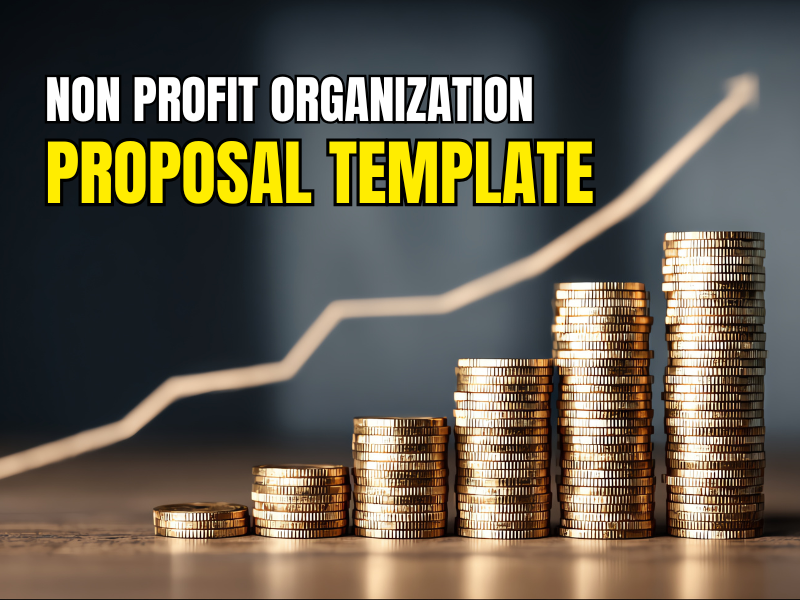
Securing funding is a critical endeavor for any non profit organization, transforming visionary ideas into tangible community impact. The cornerstone of successful fundraising often lies in a well-crafted funding request. This is precisely where a robust non profit organization proposal template becomes an invaluable asset for your team.
A compelling proposal not only outlines your mission and projects but also persuades potential funders of your organization’s capability and integrity. It serves as your organization’s advocate, articulating needs, solutions, and projected outcomes clearly and concisely. Throughout this guide, we will explore how to effectively utilize and customize a proposal template to attract the support your vital work deserves, covering everything from essential components to expert writing strategies.
Understanding the Essentials of a Non Profit Grant Proposal
Understanding the foundational elements of a grant proposal is crucial for any non profit seeking financial support. A grant proposal is more than just a request for money; it’s a persuasive document that details your organization’s mission, the problem it addresses, and the specific solution you propose. Mastering the structure and content will significantly increase your chances of securing necessary funding.
Defining Your Project and Mission
Clearly articulating your project’s scope and how it aligns with your organization’s overarching mission is the first step in any successful grant application. Funders want to see a direct link between the proposed activities and your non-profit’s core objectives. Begin by summarizing your organization’s vision, mission, and values in a way that resonates with potential donors. This establishes a strong ethical and operational framework for your request.
Next, delineate the specific project for which you are seeking support, including its goals, objectives, and anticipated activities. What problem will this project solve, and for whom? Be precise in describing the impact you aim to achieve, ensuring that every component of your project ties back to your mission statement. A well-defined project enhances clarity and demonstrates a clear strategic direction, making it easier for funders to understand your purpose.
Identifying Your Target Audience (Donors/Funders)
Knowing your audience is paramount in tailoring your **non profit organization proposal template**. Different foundations, government agencies, and corporate sponsors have unique priorities, funding cycles, and application guidelines. Researching potential funders allows you to understand their philanthropic focus areas and past grant recipients. This knowledge helps you align your proposal with their specific interests, increasing its relevance and appeal.
Once you have identified a prospective funder, carefully review their eligibility criteria and submission requirements. Pay close attention to their mission statement and any specific programs they support. Customizing your proposal to speak directly to their interests shows respect for their guidelines and demonstrates your commitment to a partnership. A generic proposal, conversely, is less likely to capture their attention, often indicating a lack of thorough research.
Key Components of an Effective Funding Proposal Template
An effective funding proposal template acts as a strategic roadmap, guiding you through the essential sections required to present a comprehensive and compelling case for support. Each component serves a distinct purpose, building upon the last to create a cohesive narrative that resonates with potential funders. By understanding and meticulously crafting each section, your organization can significantly enhance its chances of securing vital resources.
Executive Summary: Your Elevator Pitch
The executive summary is arguably the most critical section of your entire proposal, as it often determines whether the funder reads further. It should be a concise, powerful overview of your entire proposal, typically no more than one page. This summary needs to immediately grab the reader’s attention and convey the essence of your project and its potential impact.
It should clearly state your organization’s mission, the problem you address, the proposed solution, the amount of funding requested, and the expected outcomes. Think of it as your organization’s elevator pitch: short, impactful, and designed to generate interest. A well-written executive summary is a condensed version of your entire non profit organization proposal template, compelling the reader to delve into the details.
Problem Statement and Needs Assessment
This section thoroughly describes the specific problem or need your organization aims to address. It’s crucial to present data, statistics, and credible evidence to support your claims, demonstrating the urgency and significance of the issue. Avoid generalizations; instead, provide specific examples of how the problem impacts the community or target population.
Following the problem statement, a robust needs assessment explains why your organization is uniquely positioned to offer a solution. What gaps exist that your project will fill? How will your intervention make a measurable difference? Clearly articulate the unmet needs and how your proposed activities are a direct, effective response.
Project Description and Activities
The project description details exactly what your organization plans to do, how it will be done, and why these particular activities are the most effective approach. This section should include your project’s goals, specific measurable objectives, and a clear timeline of activities. Break down complex processes into smaller, manageable steps.
Explain the methodologies you will employ and how these activities directly contribute to achieving your stated objectives. For instance, if your objective is to increase literacy rates, describe the specific tutoring programs, workshops, and materials you will provide. This level of detail helps funders visualize the project’s implementation and understand its logical progression.
Budget and Sustainability Plan
The budget section provides a detailed financial breakdown of all costs associated with your project. It must be realistic, justified, and align perfectly with the proposed activities outlined in your project description. Itemize expenses such such as personnel, supplies, travel, and administrative costs, demonstrating prudent financial planning.
Beyond the immediate funding request, a sustainability plan illustrates how your project will continue to operate and thrive after the grant period ends. This shows funders that their investment will have a lasting impact and that your organization has a long-term vision. Discuss potential future funding sources, community partnerships, or earned income strategies to ensure continued success.
Crafting Compelling Narratives in Your Non Profit Proposal
Beyond facts and figures, a truly effective non profit proposal weaves a compelling narrative that connects emotionally with funders. Storytelling is a powerful tool to bring your mission to life, illustrating the human impact of your work and fostering a deeper understanding of your organization’s value. Infusing your **non profit organization proposal template** with compelling stories transforms it from a mere document into a powerful advocacy tool.
Telling Your Organization’s Story
Your organization’s story is its unique identity, conveying its history, passion, and purpose. Begin by sharing your origin story: what inspired your founders? What challenges did they overcome? This narrative helps humanize your organization and builds an emotional connection with the reader. It’s not just about what you do, but *why* you do it.
Furthermore, highlight key milestones, achievements, and the evolution of your programs. Showcase the dedication of your staff, volunteers, and beneficiaries. A well-told organizational story creates a sense of trust and credibility, inviting funders to become part of your journey and invest in your proven track record.
Highlighting Impact and Outcomes
While your proposal details activities, funders are ultimately interested in the impact and outcomes of your work. Clearly articulate the difference your project will make, not just in terms of numbers served, but in the qualitative changes it will bring to individuals and communities. Use strong, active language to describe these anticipated benefits.
Provide clear, measurable outcomes that demonstrate success. For example, instead of saying “we will help students,” state “we will increase student test scores by 15%.” This quantitative approach reassures funders that their investment will yield demonstrable results. Focus on the positive change and transformation your project will facilitate.
Using Data and Testimonials Effectively
Strengthen your narrative with a strategic blend of quantitative data and qualitative testimonials. Data provides objective evidence of the problem’s scope and your project’s potential efficacy. Include relevant statistics from reputable sources to underscore the urgency and scale of the need. For example, cite local poverty rates or educational disparities.
Pair this data with powerful personal stories or quotes from beneficiaries. Testimonials offer a human face to your work, illustrating the real-world impact on individuals. A story of a life changed by your program can be far more persuasive than statistics alone, creating an emotional resonance that encourages funders to act.
Leveraging Your Non Profit Organization Proposal Template for Success
A well-designed **non profit organization proposal template** is a powerful tool, but its true potential is realized through strategic deployment and continuous refinement. It’s not a one-size-fits-all solution, but rather a customizable framework that, when leveraged correctly, can unlock significant funding opportunities. Maximize its effectiveness by tailoring it to each unique funding opportunity and constantly seeking ways to improve.
Customizing for Each Opportunity
Resist the temptation to use a generic proposal for every application. While a template provides a solid foundation, successful proposals are always highly customized to the specific funder. Review the funder’s mission, priorities, and any specific questions they ask in their application guidelines.
Adjust your language, examples, and budget narrative to align with their interests. For instance, if a funder emphasizes environmental conservation, highlight the ecological benefits of your project. This personalization demonstrates diligence and a genuine commitment to partnering with that specific organization, significantly increasing your chances of success.
Review and Refinement Strategies
Before submission, a thorough review and refinement process is absolutely essential. Multiple sets of eyes can catch errors, awkward phrasing, or areas where clarity can be improved. Have colleagues, board members, or even external experts review your proposal for accuracy, completeness, and persuasive power.
Consider forming a small internal review committee to provide constructive feedback. Check for consistency in tone, messaging, and financial figures throughout the document. A polished, error-free proposal reflects professionalism and attention to detail, making a strong positive impression on potential funders.
Building Lasting Funder Relationships
Securing a grant is often the beginning, not the end, of a relationship with a funder. Successful non profits focus on building and nurturing these relationships over time. This involves regular communication, transparent reporting, and demonstrating the impact of their investment. Keep funders updated on your progress, challenges, and successes.
Express genuine gratitude and acknowledge their support publicly when appropriate. A strong relationship can lead to renewed funding, introductions to other potential donors, and even partnerships on future projects. Nurturing these connections transforms a transactional grant into a lasting, mutually beneficial partnership.
Comparing Different Non Profit Proposal Template Formats
Understanding the variety of non profit proposal template formats is key to selecting the right tool for each funding opportunity. While core components remain consistent, the presentation and emphasis can vary significantly depending on the audience and the type of request. Here’s a comparison of common formats:
| Feature | Standard Grant Proposal Template | Letter of Inquiry (LOI) Template | Sponsorship Proposal Template | Capacity Building Proposal Template |
|---|---|---|---|---|
| Purpose | Comprehensive request for specific project funding. | Initial brief interest letter to gauge funder alignment. | Request for corporate partnership for events/programs. | Funding for organizational growth (staff, systems, etc.). |
| Length | Often 5-20+ pages. | 1-3 pages maximum. | 5-15 pages. | 7-15 pages. |
| Key Focus | Detailed project plan, budget, outcomes. | Organizational mission, brief project overview, funding need. | Benefits to sponsor (visibility, CSR), marketing opportunities. | Organizational needs, strategic plan for growth, long-term impact. |
| Content Detail | High detail: problem, solution, activities, evaluation, budget. | High-level summary of organization and proposed work. | Sponsorship levels, audience demographics, media plan. | Organizational assessment, training plans, infrastructure upgrades. |
| When to Use | When submitting a full application for a known grant. | When unsure if a funder is a good fit, or as a first step. | When seeking corporate support for events, programs, or general operations. | When seeking funds to strengthen the organization itself, not just a program. |
| Typical Sections | Exec Summary, Problem, Project, Budget, Evaluation, Org Info. | Intro, Org Info, Project Summary, Need, Ask, Conclusion. | Intro, About Us, Sponsorship Tiers, Benefits, Call to Action. | Org Overview, Needs Assessment, Capacity Building Plan, Budget, Outcomes. |
Expert Strategies for Writing a Winning Non Profit Proposal
Crafting a winning non profit proposal goes beyond simply filling out a template; it requires strategic thinking and meticulous attention to detail. Implementing expert advice can significantly elevate your application, helping your organization stand out in a competitive funding landscape. These practical strategies can transform your approach to proposal writing.
- Start Early and Plan Thoroughly: Do not underestimate the time required to develop a strong proposal. Begin well in advance of the deadline, allowing ample time for research, drafting, internal reviews, and revisions. A rushed proposal often lacks clarity and attention to detail.
- Read and Follow All Guidelines Meticulously: Funders have specific instructions for a reason. Ignoring guidelines, no matter how minor, can lead to immediate disqualification. Pay close attention to word counts, formatting, required attachments, and submission methods.
- Clearly Articulate the Problem and Your Solution: Ensure your problem statement is well-supported by data and that your proposed solution is a logical, effective response. Funders want to see a clear link between the need and your intervention.
- Focus on Impact and Outcomes, Not Just Activities: While activities are important, funders want to know the difference your project will make. Quantify your expected outcomes whenever possible and explain the long-term impact on the community or beneficiaries.
- Develop a Realistic and Justified Budget: Your budget should be clear, detailed, and directly align with the activities described in your proposal. Justify each expense, demonstrating that you are a responsible steward of funds.
- Proofread, Proofread, Proofread: Grammatical errors, typos, and awkward phrasing detract from your professionalism. Have multiple people review your proposal for accuracy, clarity, and consistency before submission.
- Build Relationships Beyond the Proposal: Attend funder events, network with program officers, and cultivate genuine connections. A positive relationship can provide valuable insights and increase your chances of securing support.
- Learn from Rejection: Not every proposal will be successful, and that’s okay. If a proposal is declined, politely ask for feedback. Use this constructive criticism to refine your **non profit organization proposal template** and improve future applications.
- Showcase Your Organization’s Expertise: Highlight your team’s qualifications, past successes, and unique capabilities. Demonstrate why your non profit is the best organization to execute the proposed project effectively and efficiently.
Frequently Asked Questions about non profit organization proposal template
What is a non profit organization proposal template?
A non profit organization proposal template is a standardized document outline that guides non-profits in structuring their requests for funding or support. It typically includes sections for an executive summary, problem statement, project description, budget, and evaluation plan. Using a template ensures all essential information is included and presented professionally.
Why is a template important for grant writing?
A template is crucial for grant writing because it provides a consistent, professional framework, saving time and ensuring no critical information is overlooked. It helps maintain organization, clarity, and adherence to common funder expectations, increasing the likelihood of a successful application. Many funders look for specific sections, and a template ensures these are addressed.
What are the essential sections of a non profit funding proposal?
Essential sections of a non profit funding proposal typically include an executive summary, problem statement/needs assessment, project description (goals, objectives, activities), organizational capacity, budget, evaluation plan, and sustainability plan. These components collectively tell a complete story about your project and organization.
How long should a non profit proposal be?
The length of a non profit proposal varies significantly depending on the funder’s guidelines and the complexity of the project, ranging from a one-page Letter of Inquiry (LOI) to comprehensive proposals of 20+ pages. Always refer to the specific funder’s instructions for page limits or content requirements.
Should I customize my non profit organization proposal template for each funder?
Yes, it is absolutely critical to customize your non profit organization proposal template for each funder. Generic proposals rarely succeed. Tailoring your content to align with the funder’s mission, priorities, and specific guidelines demonstrates thorough research and genuine interest, significantly increasing your chances of approval.
What is the difference between goals and objectives in a proposal?
Goals are broad, overarching statements of what you hope to achieve, while objectives are specific, measurable, achievable, relevant, and time-bound (SMART) steps that contribute to reaching the goal. Goals provide direction, and objectives provide the actionable steps and benchmarks for measuring progress.
How do I create a realistic budget for my proposal?
To create a realistic budget, itemize all anticipated expenses related to the project, including personnel, materials, travel, and administrative costs. Ensure every item is justified and directly supports the proposed activities. Research market rates and consider in-kind contributions to present a comprehensive financial picture.
What is a sustainability plan in a non profit proposal?
A sustainability plan outlines how your project will continue to operate and be funded after the requested grant period ends. It demonstrates long-term vision and includes strategies such as diversified funding sources, earned income, community partnerships, or ongoing volunteer engagement to ensure continued impact.
Can I reuse parts of an old proposal?
Yes, you can reuse parts of an old proposal, especially standard organizational information, mission statements, and boilerplate language. However, always review and update this content to ensure it is current, accurate, and relevant to the new opportunity. Remember to customize all project-specific sections.
How important is an evaluation plan in a non profit proposal?
An evaluation plan is highly important as it demonstrates accountability and your commitment to measuring impact. It outlines how you will track progress, collect data, and assess whether your project achieved its stated objectives and goals. This provides funders with confidence in your ability to deliver measurable results.
Conclusion
A well-crafted **non profit organization proposal template** is more than just a document; it’s a strategic instrument that bridges the gap between your organization’s mission and the resources needed to achieve it. By understanding its key components, dedicating time to thorough research, and customizing your approach for each potential funder, you can significantly enhance your chances of securing vital support. Remember that every successful proposal is a testament to careful planning, clear communication, and a compelling narrative that resonates with those who wish to make a difference.
Embrace the template as a guide, but infuse it with the unique story and passion of your non profit. Continuously refine your proposals, seek feedback, and nurture relationships with funders to build a sustainable future for your organization. The effort invested in developing exceptional proposals will undoubtedly translate into greater impact for the communities you serve, turning your aspirations into tangible, life-changing realities.