Ensuring the longevity and structural integrity of a flat roof is a critical task for any property owner or manager. Unlike pitched roofs, low-slope roofing systems present unique challenges and require specialized attention to identify potential issues before they escalate into costly repairs or significant damage. A well-structured and comprehensive flat roof inspection report template is an indispensable tool in this preventative maintenance process.
This document serves as more than just a checklist; it’s a vital record of a roof’s condition, helping to track its health over time and inform future maintenance decisions. Property professionals, facilities managers, and roofing contractors all rely on detailed reports to communicate findings clearly and effectively. This guide will explore the essential elements of an effective inspection report, demonstrate its structure, and provide actionable insights into why it’s so important for modern property management.
Why a Robust Flat Roof Inspection Report is Essential
A thorough flat roof inspection report is the backbone of effective roof management, providing clarity and direction for preventative maintenance and necessary repairs. It transforms subjective observations into objective, documented evidence, which is crucial for budgeting and planning. Without a standardized reporting method, critical details can be overlooked, leading to an accelerated decline of the roof system.
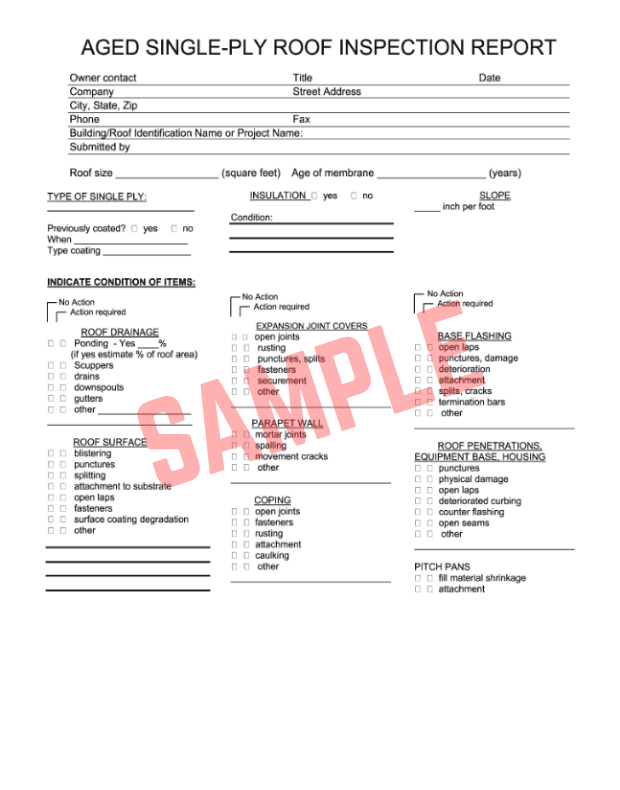
Moreover, these reports are not just for identifying existing problems but also for establishing a baseline for future inspections. They allow for comparative analysis, helping to spot developing trends or recurring issues that might indicate underlying systemic problems. This proactive approach can significantly extend the lifespan of a flat roof, protecting the building’s interior and its assets.
Identifying Common Flat Roof Issues Early
Flat roofs are susceptible to specific problems that differ from those found on sloped roofs, such as ponding water, membrane blistering, or compromised flashing. An effective inspection report guides the inspector to systematically check for these common vulnerabilities. Early detection of issues like minor membrane tears or clogged drains can prevent water intrusion, which is a leading cause of internal damage and structural decay.
Regular inspections, documented by a detailed flat roof inspection report template, enable prompt intervention. For example, addressing a small crack in the waterproofing membrane might cost a few hundred dollars, while ignoring it could lead to widespread water damage and repairs costing tens of thousands. Statistics show that proactive maintenance can reduce overall roofing costs by 30-50% over the roof’s lifetime.
Documenting Findings for Maintenance and Repair
The core purpose of a professional roofing survey is to create a clear record of the roof’s current state. This documentation is invaluable for scheduling maintenance, prioritizing repairs, and justifying expenditures. A well-filled flat roof inspection report template includes detailed descriptions of deficiencies, often accompanied by photographic evidence, making the issues undeniable and easy to understand.
Furthermore, this detailed record becomes a historical log. It allows property owners to track the performance of different roofing materials, identify areas that require more frequent attention, and even assess the quality of previous repair work. This transparency is vital for warranty claims and ensuring accountability from contractors.
Ensuring Compliance and Longevity
Beyond identifying damage, a comprehensive roof inspection report ensures compliance with building codes, manufacturer warranties, and insurance requirements. Many roofing system warranties stipulate regular inspections as a condition for coverage, making a properly documented report indispensable. Failing to meet these requirements could void a warranty, leaving property owners responsible for full replacement costs.
Ultimately, a structured inspection report contributes significantly to the longevity of the flat roof system. By consistently monitoring and addressing minor issues, the overall lifespan of the roof can be maximized, delaying the need for costly full replacements. This strategic approach to roof management is a smart investment in the property’s future.
Key Components of an Effective Flat Roof Inspection Report Template
To be truly useful, a flat roof inspection report template must be thorough, organized, and easy to understand. It needs to cover all critical aspects of the roof system, from general identifying information to specific damage assessments and actionable recommendations. A template that guides the inspector through each necessary step ensures no detail is overlooked, resulting in a consistent and reliable report every time.
The best templates are designed to be user-friendly, allowing for quick input of data while ensuring comprehensive coverage. They often incorporate sections for both quantitative measurements and qualitative observations, providing a holistic view of the roof’s condition. This meticulous approach elevates the report from a mere checklist to a valuable asset in property maintenance.
Property and Inspector Details
Every professional report begins with essential identifying information. This section typically includes the property address, owner contact details, date of inspection, and the name and contact information of the inspector or roofing company performing the survey. Including a unique report number can also aid in record-keeping and easy retrieval of past inspections.
Additional details such as weather conditions during the inspection, access methods used, and a brief description of the building type are also important. These seemingly minor details provide context and can be crucial if questions arise later regarding the inspection’s validity or findings. Transparency and accuracy in this initial section set the tone for the entire report.
Comprehensive Roof Condition Assessment Sections
The core of the flat roof inspection report template lies in its detailed assessment sections. These typically break down the roof into various components and areas, allowing for a systematic evaluation. Key areas to inspect and document include:
- Membrane Condition: Look for tears, punctures, blisters, cracks, wrinkles, open seams, and excessive wear. Note the type of membrane (e.g., TPO, EPDM, PVC, modified bitumen).
- Flashing: Inspect all flashing around penetrations, parapet walls, and edges for dislodgement, sealant failures, or signs of water entry.
- Drainage System: Check scuppers, internal drains, gutters, and downspouts for blockages, damage, or improper slopes that lead to ponding water.
- Penetrations and Projections: Evaluate skylights, vents, HVAC units, pipes, and other roof-mounted equipment for proper sealing, securement, and signs of leaks.
- Substrate and Insulation (where visible/accessible): Look for depressions, soft spots, or signs of moisture saturation beneath the membrane.
- Parapet Walls: Check for cracks, deteriorating mortar joints, or loose coping that could allow water intrusion.
- Safety Hazards: Note any unsafe conditions such as loose debris, structural instability, or inadequate fall protection.
Each of these subsections should allow for detailed notes, ratings (e.g., good, fair, poor), and the inclusion of supporting photographs. This level of detail is what makes a template truly comprehensive.
Prioritizing Recommendations and Actionable Steps
An inspection report is incomplete without clear, actionable recommendations. This section should translate the identified deficiencies into concrete steps for repair or maintenance. Recommendations should be prioritized based on urgency and severity, distinguishing between critical repairs needed immediately and long-term maintenance suggestions.
For each recommendation, it’s beneficial to include an estimated cost or time frame for completion, if possible. This helps property owners budget and plan effectively. The report might suggest specific repair methods, recommend further investigation (e.g., moisture survey), or advise on preventative measures to extend the roof’s life. A well-defined action plan ensures that the insights gained from the inspection lead directly to improved roof performance and reduced risk.
Sample Flat Roof Inspection Report Template
A structured flat roof inspection report template is crucial for consistent and thorough evaluations. The following outlines a typical format, ensuring all critical areas are addressed and findings are presented clearly. This sample demonstrates the type of information and organization expected in a professional report.
General Information and Site Details
This initial section captures all the fundamental data required for identification and context. It sets the stage for the detailed inspection that follows, ensuring that the report is accurately linked to the specific property and inspection event.
- Report ID: FR-2023-11-001
- Inspection Date: November 15, 2023
- Time of Inspection: 10:00 AM – 12:30 PM
- Property Name: Smith Commercial Building
- Property Address: 123 Main Street, Anytown, USA 12345
- Property Contact: Jane Doe (555) 123-4567
- Inspector Name: John Smith
- Company: Pro Roof Solutions
- Weather Conditions: Clear, 55°F, Moderate Breeze
- Roof Type: Single-Ply TPO (Thermoplastic Polyolefin)
- Approximate Roof Area: 15,000 sq ft
- Date of Last Inspection: May 10, 2023
Roof System Evaluation Checklist
This detailed checklist provides a systematic approach to evaluating each component of the flat roof. For each item, a condition rating (e.g., Good, Fair, Poor, N/A for Not Applicable) and specific comments are recorded. This allows for clear identification of problems and their exact locations.
| Component | Condition | Notes/Observations | Photos (Yes/No) |
|---|---|---|---|
| Membrane Surface (General) | Fair | Minor dirt accumulation, some ponding in NW corner. | Yes |
| Membrane Seams/Welds | Good | Seams appear intact with no visible separation. | No |
| Membrane Tears/Punctures | Poor | One 6-inch tear near HVAC unit (Section A). Small puncture near SW drain. | Yes |
| Membrane Blisters/Bubbles | Fair | Small, isolated blisters observed in central section (Section B). | Yes |
| Parapet Walls/Coping | Good | Coping secure, no visible cracks in masonry. | No |
| Edge Flashing | Fair | One section of edge flashing slightly dislodged on south side (Section C). | Yes |
| Pipe/Vent Flashing | Good | All pipe and vent flashing appears secure and sealed. | No |
| Skylights/Hatchways | Good | No visible cracks or sealant issues. | No |
| Drains/Scuppers | Poor | SW drain partially clogged with debris; NW drain slow. | Yes |
| HVAC/Equipment Pads | Fair | Unit 1 condensate line dripping onto membrane. | Yes |
| Walkways/Protection Pads | Good | Walkways are intact and provide good access. | No |
| Overall Debris Level | Moderate | Leaves and light debris present across roof. | Yes |
Damage Assessment and Recommendations
This section synthesizes the observations into a clear summary of issues and provides prioritized, actionable recommendations. Each recommendation should correspond to an identified issue and suggest a specific course of action.
Summary of Critical Findings:
- Large tear in TPO membrane near HVAC Unit 1 (Section A).
- Partially clogged SW drain causing localized ponding.
- One section of edge flashing on the south side requires re-securing.
Recommendations:
- Immediate Repair: Patch the 6-inch tear and small puncture in the TPO membrane (Section A). This is critical to prevent immediate water intrusion.
- Drainage Maintenance: Clear debris from SW drain and assess NW drain for improved flow. Install drain screens if not present.
- Flashing Repair: Re-secure the loose section of edge flashing on the south side (Section C) and inspect adjacent areas for further deterioration.
- General Maintenance: Conduct a full roof sweep to remove all accumulated debris.
- Further Assessment: Recommend a moisture survey in the area of ponding (NW corner) to rule out saturated insulation beneath the membrane.
- Long-Term Suggestion: Consider installing an elevated walkway around HVAC units to minimize foot traffic directly on the membrane.
Inspector Signature: ____________________________ (John Smith)
Date: November 15, 2023
A well-executed flat roof inspection report template acts as a powerful asset for any property manager, shifting roof maintenance from reactive to proactive. By systematically documenting existing conditions and potential vulnerabilities, these reports provide a clear roadmap for preserving the roof’s integrity and extending its operational life. The detailed insights gained from such comprehensive evaluations are indispensable for making informed decisions, budgeting effectively, and ultimately safeguarding the entire building structure.
Embracing a standardized approach to roof inspections, facilitated by a robust template, ensures that every square foot of your low-slope roofing is accounted for, understood, and properly maintained. This diligent practice not only prevents costly surprises but also contributes significantly to the overall value and safety of the property. Investing time in thorough reporting is investing in the long-term health of your building.