In today’s interconnected business landscape, partnering with external vendors is often essential for growth and efficiency. However, these partnerships come with inherent risks, from financial instability to security vulnerabilities. Ensuring that your chosen vendors meet your standards and won’t introduce undue risk to your operations is a critical task, one that demands a systematic and thorough approach.
This process, known as vendor due diligence, involves a deep dive into a potential or existing vendor’s operations, financial health, compliance, and security posture. It’s not just about ticking boxes; it’s about gaining a comprehensive understanding of who you’re working with, assessing their capabilities, and identifying any red flags that could impact your business. Without a structured way to gather and analyze this information, you risk making uninformed decisions that could have significant repercussions.
That’s where a well-designed framework becomes indispensable. A standardized format helps you collect consistent data, compare different vendors objectively, and maintain a clear record for future reference or audit purposes. While the specific details may vary depending on your industry and the nature of the vendor relationship, having a robust framework ensures no critical area is overlooked. This is precisely why a comprehensive vendor due diligence report template can be a game-changer for your organization.
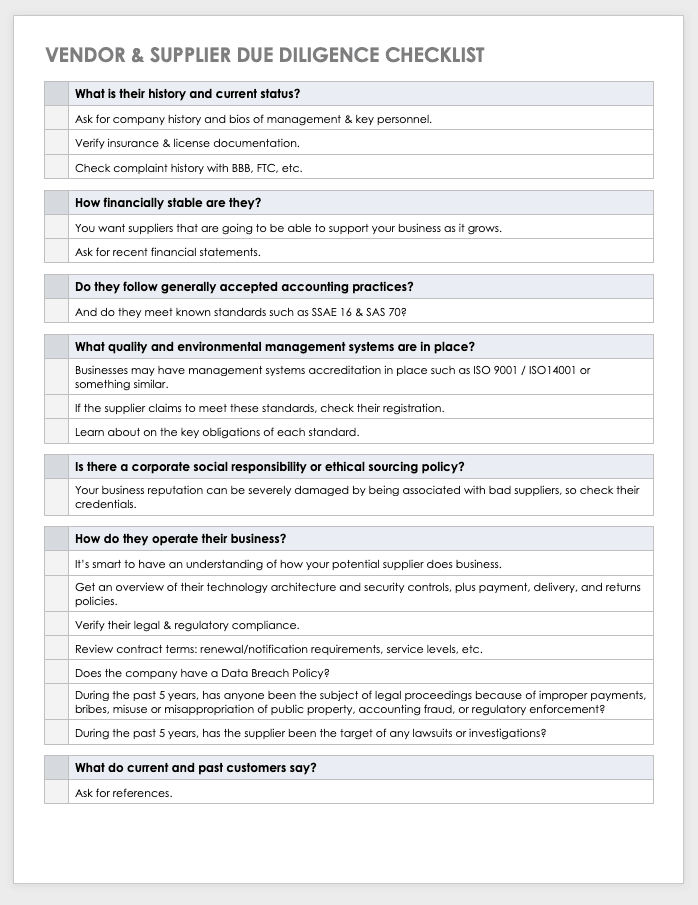
Key Components of a Robust Vendor Due Diligence Report
Creating an effective due diligence report requires more than just a checklist; it demands a structured approach to ensure all vital aspects of a vendor’s operations are thoroughly examined. A comprehensive vendor due diligence report template acts as your guide, ensuring consistency in your evaluations and providing a clear, auditable record of your findings. Let’s explore the essential sections that should be included to build a complete picture of your potential partners.
Vendor Overview and Business Details
Begin by capturing fundamental information about the vendor. This section sets the stage, providing context for all subsequent findings. It should include the vendor’s legal name, primary contact details, core services or products offered, company history, and organizational structure. Understanding the vendor’s basic operational profile is the first step in any thorough assessment.
Financial Health Assessment
The financial stability of a vendor is paramount. A partner facing financial distress can quickly become a liability, disrupting your supply chain or service delivery. This section should delve into the vendor’s financial statements, including balance sheets, income statements, and cash flow reports for the past several years. Key financial ratios, credit ratings, and any public filings should also be reviewed to gauge their long-term viability and ability to meet contractual obligations.
Operational Capabilities and Performance
Beyond finances, it’s crucial to understand how the vendor actually operates and delivers their services. This involves evaluating their operational processes, infrastructure, and staffing. Consider aspects such as their project management methodologies, quality assurance programs, and disaster recovery plans. Evidence of their operational maturity and capacity to scale with your needs is vital. Include details on:
- Service Level Agreements (SLAs) and performance metrics
- Operational stability and business continuity plans
- Staffing levels and qualifications of key personnel
- Technology infrastructure and system dependencies
Legal and Regulatory Compliance
Ensuring a vendor adheres to relevant laws and regulations is non-negotiable. This section examines their compliance with industry-specific regulations, data privacy laws (like GDPR or CCPA), labor laws, and any other legal requirements pertinent to your engagement. Review their licenses, certifications, and any history of litigation or regulatory actions. A robust report will confirm the vendor’s commitment to ethical practices and legal adherence, mitigating your own regulatory risks.
Information Security and Data Protection
In the digital age, data security is paramount. This section is often one of the most critical, especially for vendors handling sensitive information. Evaluate their information security policies, access controls, data encryption practices, incident response plans, and third-party security audits (e.g., SOC 2 reports). Understanding their data breach protocols and cybersecurity posture is essential to protect your own data and reputation. A thorough assessment here helps safeguard your sensitive information from potential breaches.
Streamlining Your Due Diligence Process with a Template
Adopting a structured template for your vendor due diligence efforts isn’t just about ticking boxes; it’s about creating an efficient, repeatable, and robust process. A well-designed vendor due diligence report template allows your team to move quickly and confidently, ensuring that every necessary area is investigated without redundant efforts. It provides a standardized framework that streamlines data collection, making it easier to compare vendors objectively and present findings to stakeholders.
Furthermore, using a consistent template enhances collaboration across departments. Legal, IT, finance, and procurement teams can all contribute to the report, knowing exactly what information is required and where it fits within the overall assessment. This collaborative approach ensures a holistic view of the vendor, combining diverse expertise to identify potential risks and opportunities that a single department might overlook. It transforms what could be a fragmented effort into a cohesive strategic review.
Ultimately, the value of such a tool extends beyond initial onboarding. It creates a historical record that can be invaluable for ongoing vendor management and periodic reviews. As business needs evolve or regulatory landscapes shift, having a detailed past assessment allows for quicker re-evaluation and adaptation. It builds a foundation of transparency and accountability, fostering stronger, more reliable relationships with your critical third-party partners.
Establishing a comprehensive and systematic approach to evaluating your external partners is not merely a best practice; it is a fundamental requirement for sustainable business operations. By thoroughly understanding the risks and opportunities associated with each vendor, organizations can make informed decisions that safeguard their assets, maintain compliance, and protect their reputation. This proactive stance ensures that your partnerships contribute positively to your strategic objectives rather than becoming sources of unforeseen challenges.
Investing time in developing and implementing a robust framework for vendor evaluation empowers your organization to build a resilient and secure supply chain. It fosters trust, reduces potential disruptions, and ultimately strengthens your overall operational integrity. By consistently applying diligent scrutiny, you create a foundation for enduring success, turning potential vendor relationships into reliable and valuable extensions of your own enterprise.