In today’s fast-paced work environment, effective communication isn’t just a nice-to-have; it’s the lifeblood of any successful team. Without clear, consistent updates, projects can quickly derail, team members can feel isolated, and deadlines can be missed, leading to unnecessary stress and inefficiency. It is crucial for everyone to be on the same page, understanding not only their own responsibilities but also how their work fits into the larger picture.
Many teams struggle with achieving this level of synchronized understanding. Often, information gets siloed, updates are irregular, or critical details are lost in a flood of emails and chat messages. This lack of transparency can lead to duplicated efforts, unexpected roadblocks surfacing too late, and a general sense of unease about project progress. Everyone wonders what everyone else is doing, and whether the collective goal is still within reach.
This is where a structured approach can make all the difference. Implementing a reliable system for daily updates can transform how your team operates, fostering greater accountability and collaboration. A well-designed team daily status report template serves as that essential tool, streamlining communication and ensuring that everyone, from individual contributors to project managers, has a clear snapshot of ongoing activities, challenges, and next steps.
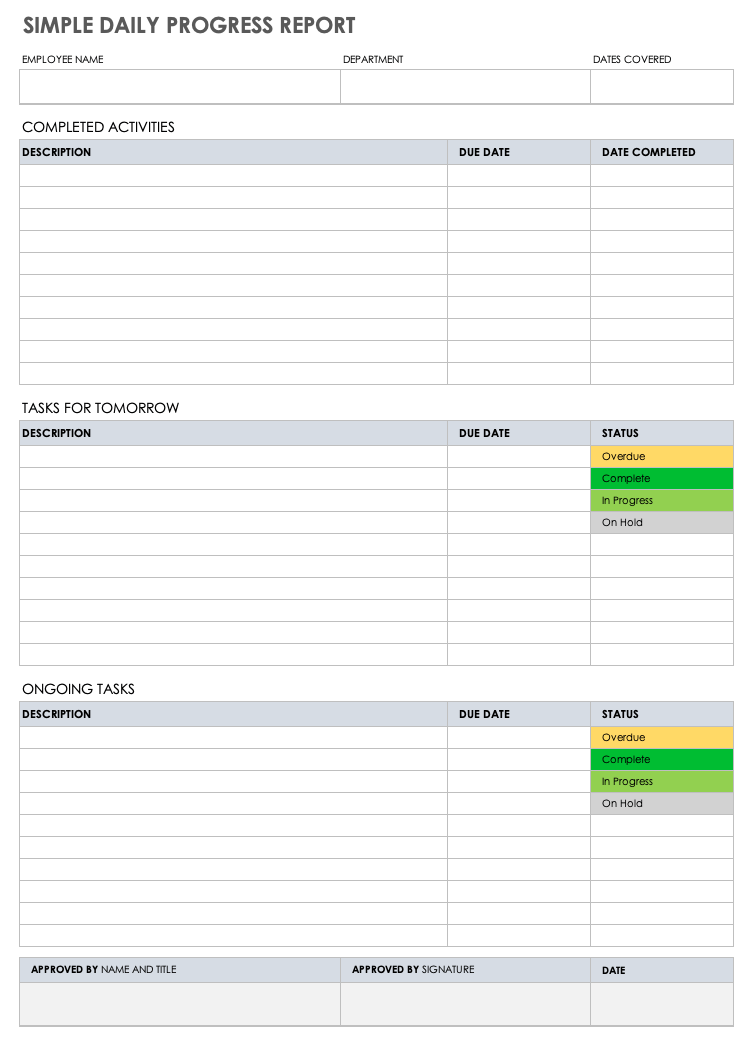
Why Your Team Needs a Daily Status Report
Imagine starting each workday with a clear picture of what transpired yesterday, what everyone is focusing on today, and any hurdles that might be impeding progress. That is the fundamental benefit a daily status report brings to your team. It cultivates an environment of transparency, ensuring that no one is left in the dark about project momentum or individual contributions. This regular check-in significantly boosts accountability, as team members know their progress and challenges will be communicated, encouraging a proactive mindset towards their tasks.
Beyond just knowing who is doing what, daily reports are instrumental in the early identification of potential roadblocks. When team members regularly report on their progress and any issues they encounter, leaders and peers can quickly step in to offer support, resources, or alternative solutions. This proactive problem-solving mechanism can prevent minor hiccups from escalating into major project delays, saving valuable time and resources down the line. It transforms potential crises into manageable challenges.
Furthermore, these reports provide invaluable visibility for all stakeholders, not just within the immediate team but also for clients or senior management. A concise, consistent update ensures that everyone involved understands the project’s health at any given moment. This level of insight builds trust and confidence, as external parties can see tangible progress and appreciate the team’s commitment to overcoming obstacles. It paints a realistic picture of development, managing expectations effectively.
Key Elements of an Effective Daily Status Report
To truly harness the power of a daily status report, it needs to be concise, relevant, and easy to complete. The goal is to provide a snapshot, not a novel. Focusing on a few core questions can extract the most critical information without burdening team members with excessive reporting duties.
Here are some essential components:
- What I worked on yesterday and my progress.
- What I plan to accomplish today and my priorities.
- Any challenges, blockers, or help needed to move forward.
- Key decisions that need to be made by others.
- Estimated time of completion for urgent tasks.
By concentrating on these elements, a daily status report fosters a rhythm of reflection and planning. It encourages team members to assess their achievements, plan their day strategically, and openly flag anything that might prevent them from reaching their goals. This structured approach helps in spotting dependencies, allocating resources, and ensuring that no one feels stuck without support. It creates a culture where asking for help is encouraged, leading to a more resilient and interconnected team.
Choosing the Right Team Daily Status Report Template for Your Workflow
Selecting the perfect team daily status report template is less about finding a one-size-fits-all solution and more about identifying what best integrates with your team’s existing workflow and communication preferences. Some teams might thrive with a simple email format, while others might prefer a dedicated project management tool feature or a shared document that allows for quick, asynchronous updates. The key is to choose a method that is easily accessible and requires minimal effort to complete, encouraging consistent adoption rather than becoming another chore.
Consider the level of detail your team truly needs and the tools they are already comfortable using daily. A complex template requiring extensive data entry will likely face resistance and may not be sustainable in the long run. Conversely, a template that is too basic might miss critical information. The ideal team daily status report template strikes a balance, providing enough structure to gather essential updates while remaining flexible enough to accommodate different types of tasks and individual reporting styles.
Ultimately, the goal is to enhance communication, not complicate it. Look for a template that is intuitive, fosters clarity, and supports your team’s unique dynamic. Experiment with different formats if necessary, and gather feedback from your team to refine the process. A truly effective template will evolve with your team, adapting to their growing needs and ensuring that daily updates remain a valuable and effortless part of their routine.
Implementing a consistent daily reporting mechanism can dramatically improve your team’s cohesion and productivity. It creates a shared understanding of progress, brings challenges to light before they become major issues, and empowers everyone with the information they need to succeed. This isn’t just about tracking tasks; it’s about building a more transparent, accountable, and ultimately, more successful team environment where everyone contributes effectively towards common goals.
By embracing a structured approach to daily updates, your team can cultivate a culture of proactive communication and mutual support. This leads to smoother project execution, fewer surprises, and a greater sense of accomplishment for everyone involved. It lays the groundwork for sustained efficiency and empowers your team to navigate any project with confidence and clarity.