In any thriving organization, understanding how your team members are progressing is absolutely essential. It’s not just about meeting deadlines or achieving targets; it’s about nurturing growth, recognizing contributions, and identifying areas where a little extra support can make a big difference. Regular check-ins and structured feedback are the cornerstones of a productive and engaged workforce.
However, without a clear and consistent method, these crucial conversations can sometimes feel unorganized or even arbitrary. This is where a well-designed framework comes into play, providing a roadmap for both managers and employees to navigate the journey of professional development. It transforms subjective observations into actionable insights, fostering transparency and accountability for everyone involved.
That’s why having a reliable system for documenting and communicating performance is invaluable. It helps standardize expectations, track progress over time, and ensure that every individual has a clear understanding of their role in the company’s success. Let’s explore how a dedicated tool can streamline this process and enhance your team’s potential.
Understanding the Core Components of an Effective Performance Report
When you’re looking to genuinely support your team’s development and ensure everyone is moving in the right direction, a well-structured performance report becomes an indispensable ally. It’s more than just a form; it’s a living document that captures an employee’s journey, highlights their achievements, and points towards future growth. The goal is to make these reports clear, comprehensive, and ultimately, useful for both the employee and their manager. Think of it as a detailed snapshot that helps paint a full picture of someone’s professional landscape within your organization.
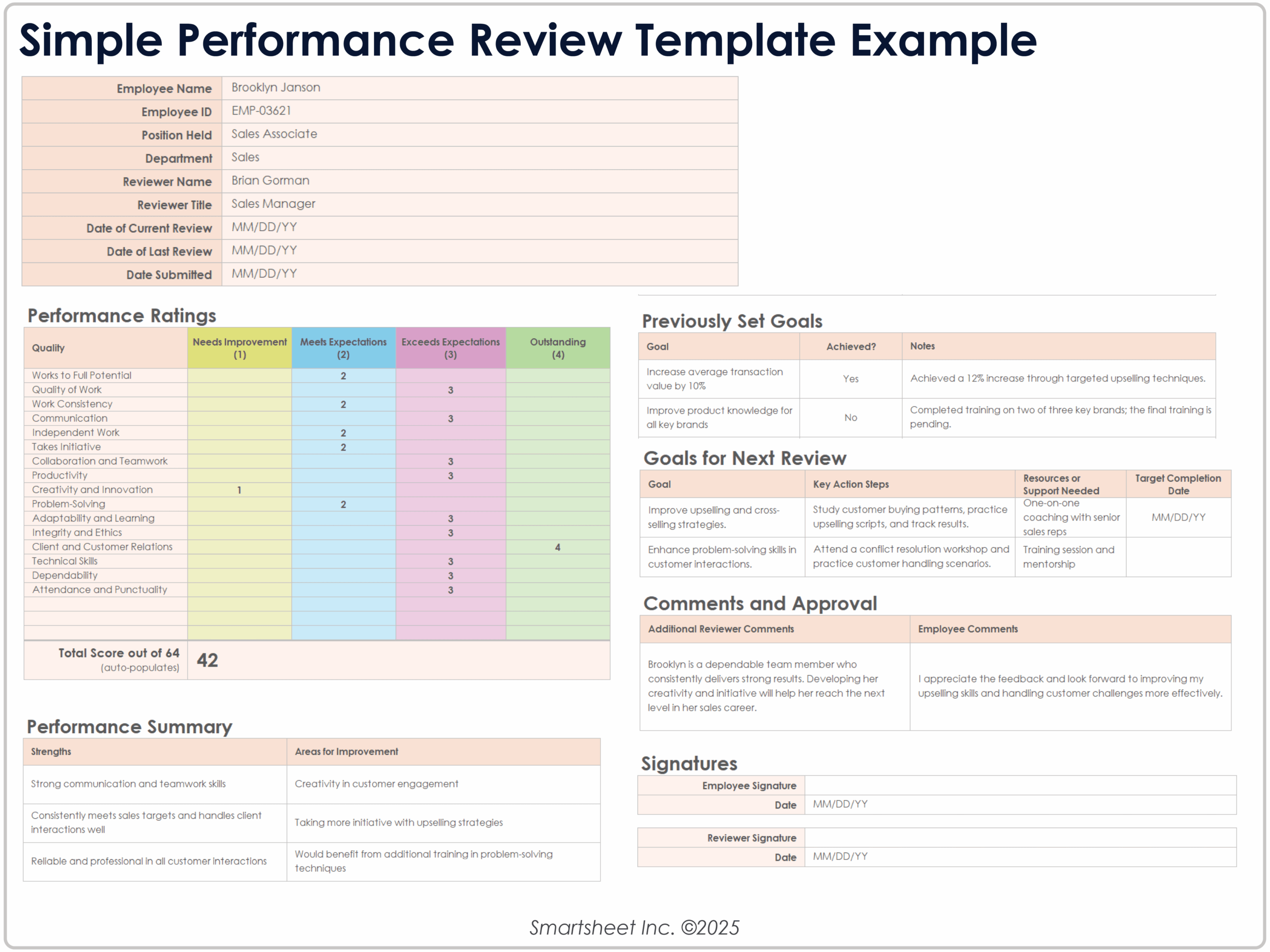
At its heart, a good report should provide a clear overview of the employee’s role, the period being reviewed, and the goals that were set. It should then delve into how these goals were met, the quality of work performed, and any challenges encountered. This holistic approach ensures that feedback is balanced and based on factual observations rather than vague impressions. It also lays the groundwork for productive discussions, making sure everyone is on the same page regarding performance expectations and outcomes.
Key Information to Include
To make your reports truly effective, certain pieces of information are non-negotiable. Starting with basic employee identification details like name, department, and role helps contextualize the report. Equally important is clearly stating the evaluation period, whether it’s quarterly, semi-annually, or annually, so everyone understands the timeframe under review. This foundational data ensures clarity and prevents any confusion about who is being evaluated and for what duration.
Next, you’ll want to outline the specific objectives or key performance indicators (KPIs) that were assigned to the employee for the reporting period. These should ideally be SMART goals – Specific, Measurable, Achievable, Relevant, and Time-bound – as they provide concrete benchmarks against which performance can be assessed. Without clear objectives, it’s challenging to objectively evaluate progress or identify areas for improvement.
The most substantial part of the report involves detailing the employee’s actual performance against those set objectives. This section should include specific examples, data points, and observations that illustrate how well the employee met their goals, exceeded expectations, or where they might have fallen short. It’s crucial here to be factual and avoid generalizations, providing concrete instances that support your feedback. This is where the true value of an employee performance progress report template shines, guiding you to capture all necessary details consistently.
- Specific Achievements: Highlight major successes, projects completed, or contributions that went above and beyond.
- Areas for Improvement: Identify specific skills or tasks where the employee could benefit from further development.
- Development Goals: Outline future training, learning opportunities, or new responsibilities to help the employee grow.
- Manager Comments and Next Steps: Provide an overarching summary, offer constructive feedback, and detail actionable steps for the upcoming period.
Finally, a dedicated space for manager comments and employee self-assessment or comments is vital. This ensures a two-way conversation, allowing the employee to reflect on their own performance and provide their perspective. This collaborative element transforms the report from a one-sided assessment into a powerful tool for mutual understanding and ongoing development.
Tips for Using Your Employee Performance Progress Report Template Effectively
Having a fantastic employee performance progress report template is only half the battle; the real magic happens in how you use it. This isn’t just a compliance document to be filled out once a year and then forgotten. Instead, it should be an active, dynamic tool that fosters continuous communication and growth. To truly unlock its potential, you need to embed it within your regular management practices, making performance discussions a natural and expected part of the work rhythm.
Firstly, consistency is key. Make sure that reports are completed on a regular schedule – be it quarterly, semi-annually, or annually – and that all managers understand and adhere to this timeline. This predictability helps employees prepare for their discussions and ensures that feedback is timely and relevant. Moreover, always strive for objectivity, basing your evaluations on measurable outcomes and observable behaviors rather than personal biases. When providing feedback, focus on specific actions and their impact, offering constructive criticism alongside well-deserved praise.
Ultimately, this template should serve as a springboard for meaningful dialogue. Encourage employees to complete a self-assessment section, giving them an opportunity to reflect on their own contributions and areas for development before the formal meeting. During the performance review, it’s a chance to listen actively, engage in a two-way conversation, and collaboratively set new, aspirational goals. This approach transforms the review process into a supportive coaching session rather than a daunting evaluation, building trust and empowering your team members to take ownership of their professional journey.
- Set Clear Expectations Upfront
- Focus on Measurable Outcomes
- Encourage Self-Assessment
- Schedule Regular Check-ins
- Use it as a Coaching Tool
Embracing a well-designed system for tracking employee performance can truly transform your team’s productivity and engagement. By consistently applying a structured approach, you’re not just evaluating past work; you’re actively investing in the future potential of your most valuable asset: your people. This commitment to clear communication and continuous development builds a stronger, more resilient workplace where everyone feels valued and understood.
When individuals know where they stand and what’s expected of them, they’re more likely to thrive and contribute their best. Fostering an environment of transparent feedback and goal-setting naturally leads to a more motivated team and a more successful organization overall.