Navigating the path to improved mental well-being is often a complex and deeply personal journey. It involves introspection, effort, and sometimes the guidance of dedicated professionals. But how do we truly know if we’re moving in the right direction? How do we measure the subtle shifts and significant strides we make along the way, or identify areas where more focus might be needed?
Tracking progress in mental health isn’t always as straightforward as measuring physical changes. It requires a thoughtful approach to observe emotional patterns, behavioral changes, coping mechanisms, and overall life satisfaction. Without a clear system, it’s easy for progress to feel elusive or for valuable insights to be overlooked, making it harder to adjust strategies or celebrate successes.
This is where a structured tool can become incredibly valuable. A well-designed mental health progress report template offers a systematic way to document the therapeutic journey. It serves as a living record for both individuals and clinicians, highlighting what’s working, what challenges persist, and how interventions are impacting overall wellness. It transforms abstract feelings into actionable data, providing clarity and direction on the path to healing.
The Core Components of an Effective Progress Report
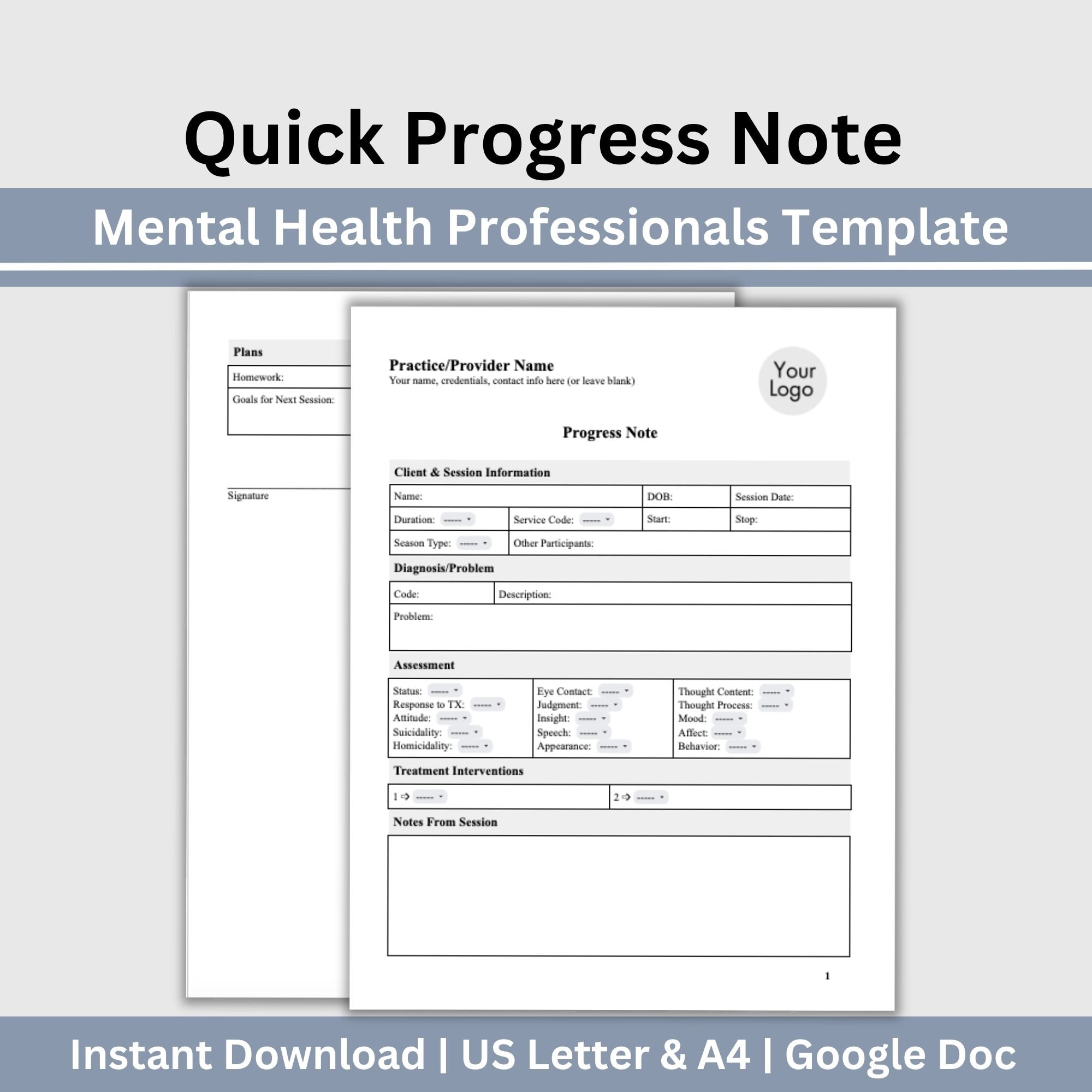
When it comes to documenting the delicate intricacies of mental health, a progress report is far more than just a simple checklist. It’s a narrative of an individual’s journey, a snapshot of their current state, and a compass for future steps. An effective mental health progress report template provides a structured framework that ensures all critical aspects of care and recovery are consistently observed and recorded. It helps both the client and the practitioner stay aligned on goals and acknowledge the subtle, yet powerful, shifts occurring over time.
Think of it as building a comprehensive story. You start with the protagonist’s background and initial circumstances. This means noting down essential demographic information, the presenting issues that led to seeking help, and any initial assessments or diagnoses. This foundation is crucial because it sets the baseline against which all future progress will be measured. Without understanding the starting point, it’s difficult to appreciate the distance traveled.
Next, the story needs direction, which comes in the form of treatment goals and objectives. These should be specific, measurable, achievable, relevant, and time-bound (SMART). Whether it’s reducing anxiety symptoms, improving social interactions, or developing healthier coping skills, clearly defined goals provide a roadmap for therapy. The report should regularly revisit these goals, noting whether they’ve been met, partially met, or require revision based on the client’s evolving needs and insights gained during sessions.
Then come the actions taken. This section details the interventions and therapeutic techniques employed during a specific period. Was it cognitive behavioral therapy, mindfulness exercises, dialectical behavior therapy skills, or perhaps eye movement desensitization and reprocessing? Documenting these interventions is vital, along with the client’s response to them. Did they engage effectively? Were there breakthroughs or resistances? This helps in understanding the efficacy of different approaches for that individual.
Finally, the report needs to document the actual progress and challenges. This isn’t just about noting if symptoms have decreased, but also about observing changes in behavior, emotional regulation, insight, and overall functioning. It might include specific examples or client quotes that illustrate progress or ongoing struggles. This holistic view provides a rich tapestry of the individual’s experience, allowing for a more nuanced understanding of their journey toward mental wellness.
Essential Elements to Consider
- Client Identifying Information and Initial Assessment
- Clearly Defined Treatment Goals and Objectives
- Interventions Utilized and Client Engagement
- Observed Progress and Identified Challenges
- Future Plans and Recommendations for Next Steps
Who Benefits from Using a Progress Report Template?
The utility of a structured reporting system extends far beyond just the administrative side of mental healthcare. While it’s certainly helpful for record-keeping and insurance purposes, a robust mental health progress report template serves as a powerful tool for various stakeholders, fostering better communication, deeper understanding, and more effective outcomes. Its ability to condense complex, evolving information into an organized format makes it invaluable for the entire ecosystem of mental wellness.
For mental health professionals – therapists, counselors, psychologists, and psychiatrists – these templates are indispensable. They provide a standardized way to track client progress over time, ensuring consistency in documentation across sessions. This consistency helps practitioners quickly recall details from previous appointments, monitor the effectiveness of interventions, and make informed decisions about modifying treatment plans. It also aids in seamless communication with other healthcare providers involved in the client’s care, ensuring everyone is on the same page.
But the benefits aren’t solely for the clinicians. Individuals receiving mental health support also gain significantly from the insights a progress report offers. Reviewing their own progress reports can empower clients by providing a clear visual representation of their journey. Seeing documented improvements, understanding the strategies that have worked, and identifying persistent challenges can foster self-awareness, reinforce positive behaviors, and motivate continued effort. It transforms an often abstract process into something tangible and trackable, giving individuals a greater sense of agency in their own healing.
A mental health progress report template acts as a cornerstone for effective and accountable mental health care. By providing a clear, consistent, and comprehensive overview of a client’s journey, it facilitates better treatment planning, strengthens the therapeutic alliance, and ultimately supports individuals in achieving their mental health goals. This structured approach helps ensure that every step taken, every challenge faced, and every success achieved is acknowledged and used to inform the path ahead. It underscores the commitment to thoughtful, evidence-based care, making the journey toward wellness more transparent and purposeful for everyone involved.