Dealing with the aftermath of a car accident can be incredibly stressful and confusing. Your mind might be racing, trying to process what just happened, worrying about injuries, vehicle damage, and the administrative headaches that inevitably follow. In such moments, remembering every detail and knowing what steps to take can feel overwhelming, but proper documentation is absolutely critical for your peace of mind and any future claims.
One of the most important pieces of documentation you’ll encounter is the police report. This official document created by law enforcement at the scene provides an impartial account of the incident, gathering crucial details that are often difficult to recall later. It serves as a vital record for insurance companies, legal teams, and anyone else involved in resolving the situation.
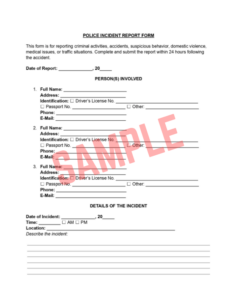
Understanding what goes into such a report, or even having an idea of a car accident police report template, can empower you. It helps you know what information to expect, what details are essential, and how to interpret the findings when you finally receive your copy. Being prepared, even in the abstract, can make a significant difference during a very challenging time.
What Information Does a Police Report Typically Contain?
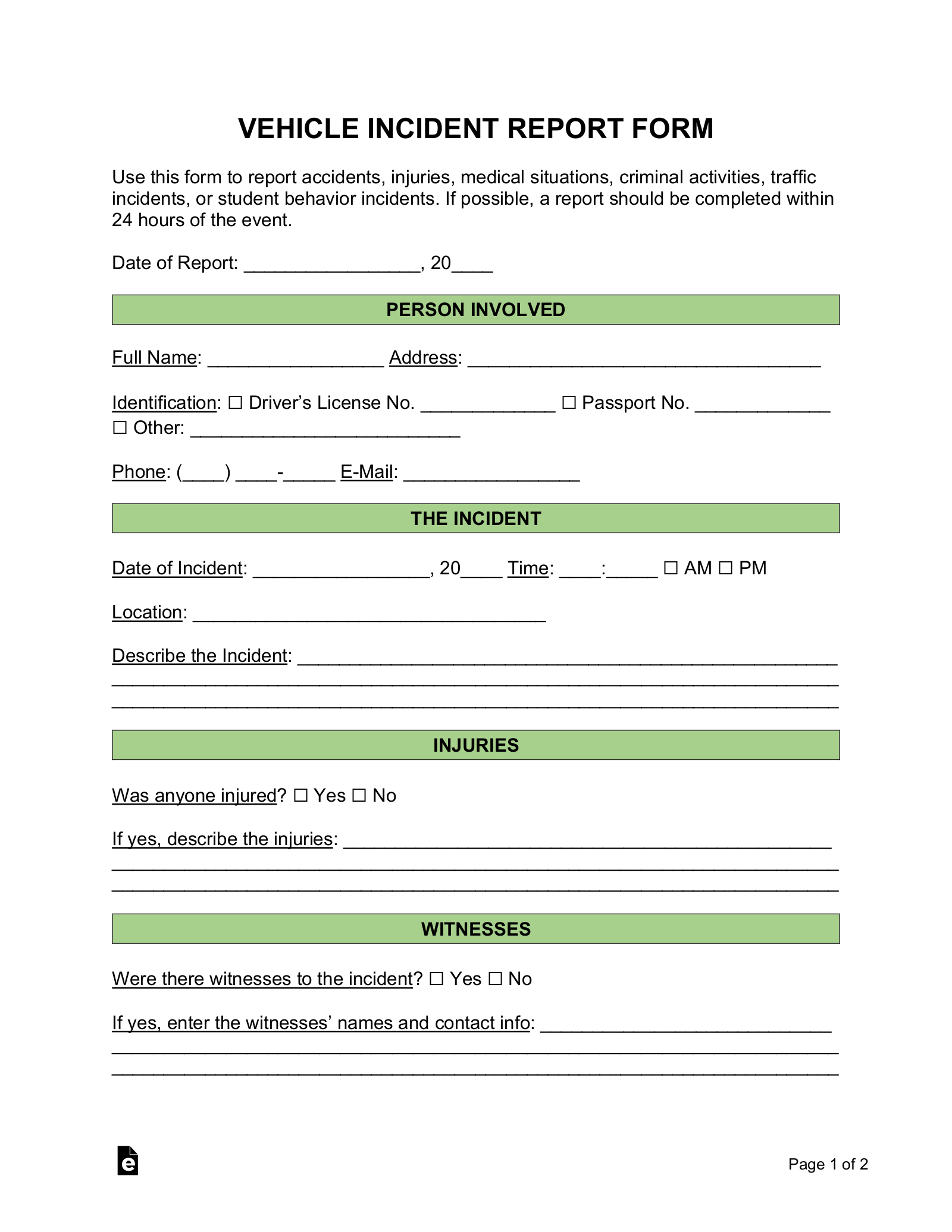
Police reports are comprehensive documents designed to capture a wide array of information related to a motor vehicle accident. They aren’t just a simple narrative; rather, they are structured forms with specific sections for different types of data, ensuring that no critical detail is overlooked. From the moment an officer arrives at the scene, their objective is to meticulously record every observable fact and statement.
Typically, the report will begin with basic identifying information about the accident itself. This includes the precise date, time, and location of the incident, often pinpointed with street names, intersections, or even mile markers. It will also note the weather conditions at the time, road conditions, and lighting, all of which can be contributing factors to an accident.
Moving beyond the incident’s specifics, the report dedicates significant sections to the parties involved. This means detailed information for each driver, including their names, addresses, driver’s license numbers, and insurance policy details. Vehicle information is also extensively recorded, covering make, model, year, license plate numbers, and Vehicle Identification Numbers (VINs). If passengers were present, their details would also be noted.
A crucial part of any police report is the description of the incident itself. This often includes a narrative written by the reporting officer, detailing their understanding of how the accident occurred based on their observations and witness statements. Many reports also feature a diagram, visually illustrating the position of the vehicles before, during, and after impact, along with relevant landmarks or traffic controls. The damage sustained by each vehicle is also described, sometimes with specific impact points and estimated severity.
Furthermore, the report will list any witnesses to the accident, providing their contact information. It will also indicate if any citations were issued to any of the drivers involved and for what specific traffic violations. In some cases, the officer’s opinion regarding the contributing factors or the party at fault might be included, though this can vary by jurisdiction and the complexity of the accident. All these elements work together to form a detailed account of the event.
Key Sections You’ll Find
Why Understanding a Police Report is Beneficial
Having a clear understanding of what a police report contains is incredibly advantageous, even if you never directly use a car accident police report template yourself. When you eventually receive a copy of the official report, knowing what to look for allows you to quickly verify that all information is accurate and complete. You can cross-reference details with your own notes or recollections from the scene, ensuring that no critical facts have been overlooked or misrepresented. This attention to detail can be pivotal for the smooth progression of your insurance claim.
Beyond simply checking for accuracy, familiarity with police report structures helps you interpret the findings. The officer’s narrative, diagrams, and any citations issued can significantly influence how insurance companies or legal professionals assess liability. If you understand these components, you are better equipped to discuss the report with your insurer or attorney, ask pertinent questions, and advocate for your position effectively. It transforms the report from a mysterious document into a usable tool in your hands.
Furthermore, this knowledge can indirectly guide your actions at the accident scene itself. While you won’t be writing the official report, knowing what information police officers typically collect can help you prioritize your own data gathering. For instance, you’ll instinctively understand the importance of getting witness contact information, taking clear photos of vehicle damage and the surrounding environment, and accurately remembering the sequence of events. This proactive approach helps ensure that all relevant facts are preserved from the outset.
Navigating the aftermath of a car accident demands clear thinking and organized action. By familiarizing yourself with the structure and content of a police report, you equip yourself with valuable knowledge. This understanding helps in confirming the accuracy of the official record, effectively communicating with insurance providers, and ensuring that your side of the story is fully supported by documented evidence. It is a fundamental step in protecting your interests and seeking a fair resolution.
Being well-informed about the documentation process, including what an official police report entails, empowers you to manage the post-accident period with greater confidence. This preparedness reduces stress and helps you make informed decisions, ensuring that you can focus on recovery and putting the incident behind you.