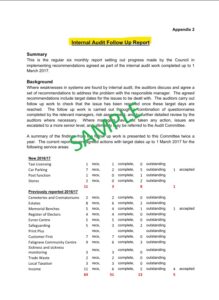
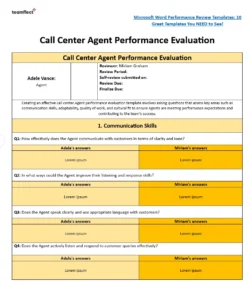
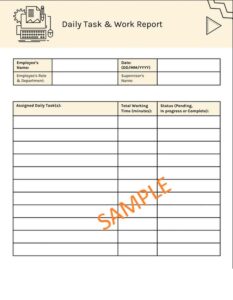
In the dynamic world of customer service, staying on top of daily operations is not just a good practice, it’s absolutely essential for success. Call centers are bustling hubs of activity, where hundreds or even thousands of interactions occur every single day. Without a clear, concise way to track these activities, it’s easy for valuable insights to get lost in the shuffle, leading to missed opportunities for improvement and potential declines in customer satisfaction.
Many managers find themselves sifting through reams of data, trying to piece together a coherent picture of their team’s performance, agent productivity, and overall operational health. This can be time-consuming, inefficient, and often leads to an incomplete understanding of what truly happened during the day. The good news is there’s a much simpler way to consolidate this critical information into an actionable format.
That’s where a well-designed call center daily report template comes into play. It acts as your operational compass, guiding you through the vast ocean of data to pinpoint key metrics and trends. A robust template provides a consistent framework for collecting and presenting daily insights, empowering you to make informed decisions quickly, identify areas for improvement, and celebrate successes. Let’s dive into what makes such a template truly effective.
What Makes an Effective Call Center Daily Report Template?
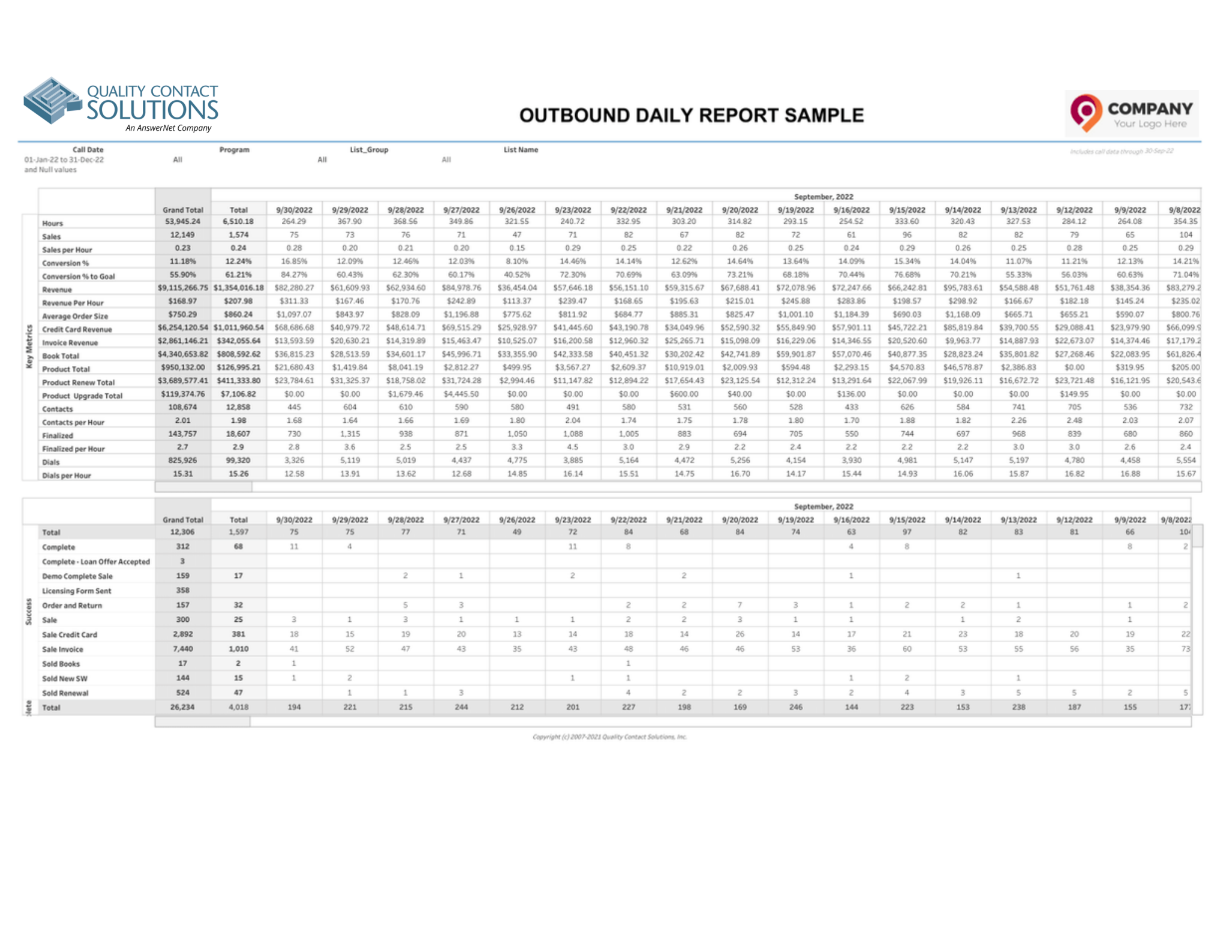
An effective call center daily report template isn’t just a collection of numbers; it’s a strategic tool designed to offer a holistic snapshot of your center’s performance and agent activity. It should be structured to highlight critical data points, making it easy for supervisors and managers to quickly grasp the day’s successes and challenges. The best templates balance detail with clarity, ensuring that all necessary information is present without overwhelming the reader.
One of the cornerstones of any good daily report is its focus on agent performance. Understanding how your team members are performing individually and collectively is vital for coaching, training, and resource allocation. This section helps managers identify high-performers, agents who might need additional support, and overall team strengths and weaknesses.
Agent Performance Metrics
- Average Handle Time (AHT): The average duration of a call interaction, from start to finish.
- First Call Resolution (FCR): The percentage of customer issues resolved on the first interaction.
- Adherence to Schedule: How well agents stick to their assigned breaks, lunches, and shift times.
- Customer Satisfaction (CSAT) or Net Promoter Score (NPS): Feedback from customers on their experience.
- Quality Assurance Scores: Results from monitored calls, assessing adherence to scripts and service standards.
Beyond individual performance, a daily report must also provide insights into the flow of customer interactions themselves. This includes understanding the volume of incoming contacts, how efficiently they were managed, and any potential bottlenecks that emerged. These metrics are crucial for forecasting and ensuring adequate staffing levels.
Call Volume and Trends
- Total Calls Handled: The sheer number of calls processed by the team or individual.
- Abandonment Rate: The percentage of callers who hung up before reaching an agent.
- Average Speed of Answer (ASA): The average time it takes for a call to be answered by an agent.
- Peak Call Times: Identifying periods of highest call volume to inform scheduling.
Moreover, a comprehensive template extends to operational insights that might not be directly tied to agent interactions but significantly impact the center’s functionality. These can include technical issues, escalated cases, or identified training needs. Reporting on these aspects ensures that proactive measures can be taken to maintain smooth operations.
Operational Insights
- System Downtime: Any technical issues affecting call handling or reporting systems.
- Escalations Handled: The number of complex issues that required supervisor intervention.
- Training Needs Identified: Recurring issues or knowledge gaps observed among agents.
Finally, an effective call center daily report template isn’t just about presenting data; it’s about fostering action. Including sections for comments, observations, and concrete action items transforms the report from a mere data dump into a powerful tool for continuous improvement. This allows managers to document specific incidents, note trends, and outline steps to address challenges or leverage successes. This iterative process of reporting, analyzing, and acting is what drives meaningful progress in a customer service environment.
Customizing Your Template for Unique Needs
While a standardized call center daily report template provides a great starting point, the most valuable versions are often those tailored to the specific context and objectives of your call center. Every organization has unique demands, different customer bases, and varying service level agreements. What works perfectly for a technical support call center might not be entirely suitable for an outbound sales team, and vice versa. Therefore, a one-size-fits-all approach rarely yields the best results.
Consider your industry, the type of interactions your agents handle, and the key performance indicators that matter most to your business. For instance, a call center focused on emergency services might prioritize metrics like response time and accuracy above all else, whereas a retail customer service center might place a greater emphasis on customer satisfaction and first-contact resolution for purchasing inquiries. Don’t be afraid to add or remove sections, tweak the definitions of metrics, or even include space for qualitative feedback that captures the nuances of your daily operations.
The process of customization should be seen as an ongoing evolution rather than a one-time task. As your business grows, as technology changes, or as your customer expectations shift, your daily reporting needs may also evolve. Regularly review your template with your team, gather feedback on its usefulness, and make adjustments as necessary to ensure it remains a relevant and powerful tool for monitoring and improving your call center’s performance.
Implementing a consistent and well-structured daily report for your call center can profoundly impact its efficiency and effectiveness. It provides clarity amidst the chaos, enabling informed decision-making and fostering a culture of accountability and continuous improvement. By standardizing how you track daily activities, you’re not just collecting data; you’re building a foundation for sustainable growth and exceptional customer experiences.
Embracing such a reporting system ensures that no day passes without valuable insights being captured and analyzed. This proactive approach allows you to address potential issues before they escalate, recognize patterns that can inform future strategies, and ultimately, elevate the overall performance of your customer service operations. It’s about turning raw data into actionable intelligence, day in and day out.