Managing the finances of a church can feel like a daunting task. Between tracking donations, managing expenses, and ensuring funds are allocated according to stewardship principles, it’s easy for things to become overwhelming. Many church leaders and administrators find themselves wishing for a clearer, simpler way to understand where their resources are going and coming from.
Effective financial management isn’t just about compliance; it’s about transparency, accountability, and enabling the church to fulfill its mission more effectively. When everyone involved – from the leadership team to the congregation – has a clear picture of the church’s financial health, it fosters trust and encourages greater participation and support.
This is where a structured approach, like utilizing a well-designed financial report, becomes invaluable. It transforms complex financial data into digestible information, making decision-making simpler and more informed. Imagine having a clear snapshot of your church’s financial standing week after week, all laid out in an easy-to-understand format.
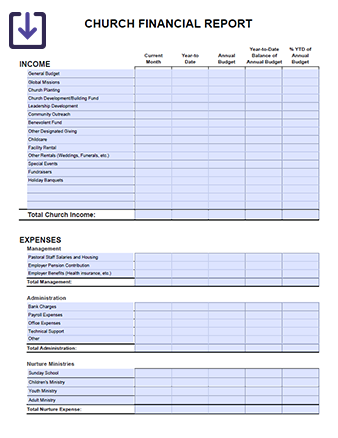
Why a Weekly Financial Report is Crucial for Your Church
A weekly financial report serves as a vital tool for maintaining the health and integrity of your church’s operations. It’s not just about crunching numbers; it’s about upholding the sacred trust placed in leadership to manage the Lord’s resources wisely. Regular reporting allows for quick identification of trends, both positive and negative, enabling proactive responses rather than reactive firefighting.
Think of it as a weekly health check-up for your church’s finances. You wouldn’t wait months to know if someone was unwell, and the same principle applies to financial well-being. By reviewing financial data weekly, you gain immediate insights into giving patterns, spending habits, and cash flow, which are essential for sound stewardship and operational efficiency. This proactive approach helps in allocating resources more effectively, planning for future ministry needs, and making timely adjustments.
Key Components to Include in Your Report
To ensure your weekly report provides a comprehensive overview, it should encompass several critical areas. These components work together to paint a complete financial picture for the week, allowing for clear analysis and discussion.
Here are some essential elements to consider including:
- Tithes and Offerings Received: Detail the total amount collected from regular giving.
- Other Income Sources: This could include donations for specific ministries, event registrations, facility rentals, or fundraising proceeds.
- Personnel Expenses: List salaries, benefits, and related costs for staff.
- Ministry Program Costs: Track expenditures directly related to Sunday services, outreach programs, children’s ministry, youth groups, and other church activities.
- Facility Costs: Include utilities, maintenance, rent/mortgage payments, and cleaning services.
- Administrative Expenses: Cover office supplies, insurance, communication, and other general operational costs.
- Net Income or Loss for the Week: The difference between total income and total expenses for the period.
- Current Bank Balances: Show starting and ending balances for relevant accounts to reflect cash flow.
By breaking down the finances into these categories, your leadership team can easily see where the money is coming from and where it’s being spent. This clarity is fundamental for making informed decisions and ensuring that the church’s financial practices align with its mission and values. It helps prevent surprises and fosters a culture of transparency that strengthens the entire congregation’s confidence.
Benefits of Using a Standardized Template
Adopting a standardized church weekly financial report template brings numerous advantages. It eliminates the guesswork involved in creating a report from scratch each week, saving valuable time for your administrative staff or volunteers. A consistent format also ensures that all necessary data points are included every time, reducing the risk of oversight. More importantly, it makes the reports easier to understand and compare week after week, year after year. This consistency is vital for tracking progress, identifying long-term trends, and planning strategically for the church’s future. It turns a potentially complex task into a routine and manageable process.
Tips for Implementing Your Church Weekly Financial Report Template Effectively
Once you have a suitable church weekly financial report template, the next step is to implement it smoothly within your church’s operations. The key to successful implementation lies in consistency, clarity, and communication. It’s not enough to simply have the template; you need to establish a clear process for its completion, review, and dissemination. Assigning a dedicated person or a small team to manage the weekly financial reporting can significantly streamline the process and ensure accountability.
Training for those responsible for inputting and reviewing the data is also crucial. They need to understand the importance of accuracy and timeliness. Furthermore, using plain and understandable language in the report itself will help all stakeholders, including those without a financial background, grasp the information quickly. Regular reviews by the leadership team will help validate the data and guide financial discussions, reinforcing the report’s value.
Consider these practical steps to make your weekly financial reporting a success:
- Designate a primary individual or team responsible for preparing the report each week.
- Provide clear training on how to collect, categorize, and input financial data accurately.
- Keep the report language straightforward and avoid overly technical jargon.
- Schedule a regular time for the leadership or finance committee to review the report.
- Ensure confidentiality while maintaining necessary transparency for relevant stakeholders.
- Explore accounting software that can automate some data compilation for your template.
Encourage open dialogue about the financial findings. This fosters an environment where questions can be asked and insights shared, leading to better financial health for your church. Remember, the report is a tool for discussion and decision-making, not just a static document. Regularly adapting and refining the template based on feedback and evolving needs will ensure its continued relevance and utility.
Embracing a systematic approach to financial reporting is a cornerstone of responsible church leadership. It not only simplifies the complexities of managing church finances but also builds a foundation of trust and transparency with your congregation. By regularly monitoring financial health, your church can effectively steward its resources and focus more fully on its core mission.
A well-structured financial overview allows your church to operate with greater confidence and clarity, empowering ministry leaders to make informed decisions that align with the church’s vision. It’s about creating a sustainable future where the church can thrive and continue to impact lives within the community and beyond.