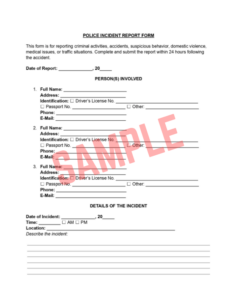
Experiencing theft can be an incredibly unsettling and frustrating ordeal. Whether it is a stolen wallet, a missing bicycle, or a more significant home invasion, the feeling of violation is profound. Your first thought after ensuring your immediate safety might be about what steps to take next, and reporting the incident to the authorities is always paramount.
Filing a police report is not just a procedural step; it is crucial for several reasons. It officially documents the crime, which is vital for insurance claims, potential recovery of your items, and assisting law enforcement in tracking criminal activity. However, the process can sometimes feel overwhelming, especially when you are already dealing with the emotional aftermath of a theft.
To help streamline this necessary process, understanding what information the police will need is a significant advantage. Having a clear idea of the details you should gather beforehand can make your interaction with law enforcement more efficient and ensure all pertinent facts are recorded accurately. This preparation can reduce stress during a difficult time and empower you to provide a comprehensive account of what happened.
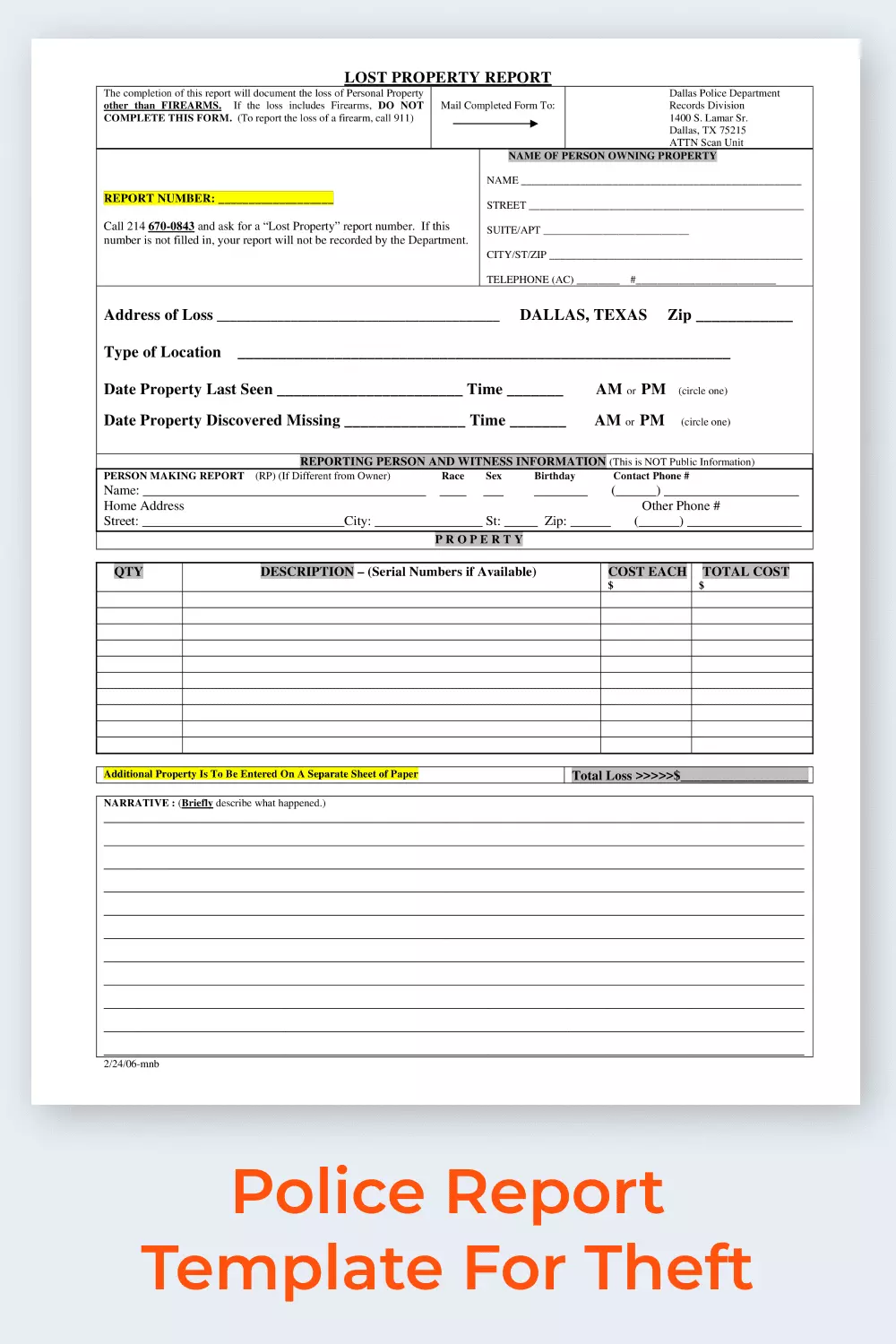
What to Include in Your Police Report for Theft
When you are preparing to file a police report for theft, having all the necessary information at your fingertips can make the process much smoother and more effective. Police departments require specific details to properly investigate the crime and to create an official record. This isn’t just about recounting your story; it’s about providing concrete facts that can lead to action.
You will typically start by providing your personal identifying information. This includes your full legal name, current address, contact phone number, and email address. If the theft occurred at a different location than your residence, such as your workplace or a public place, you will need to specify your relationship to that location. Law enforcement needs to know who the victim is and how to reach them for follow-up questions or updates on the case.
Next, you will need to detail the specifics of the incident itself. This means providing the exact date and time the theft occurred, or at least the window of time you believe it happened. The location of the theft is also critical—provide the full address, including apartment or suite numbers if applicable, and any distinguishing landmarks. Describe how you discovered the theft and any immediate observations you made, such as signs of forced entry or unusual circumstances.
The core of any theft report revolves around the items that were stolen. Being as specific as possible here is incredibly important for identification and recovery. Simply stating “my laptop was stolen” is less helpful than providing detailed characteristics. The more information you can provide, the better the chances of law enforcement identifying or recovering your property.
Describing Stolen Items Accurately
- Item Description: Provide a clear and concise description of each stolen item.
- Brand and Model: List the brand name, model number, and any distinguishing features like color or size.
- Serial Number: This is perhaps the most crucial identifier for electronics and other serialized goods. Always try to have serial numbers recorded elsewhere.
- Estimated Value: Provide an approximate monetary value for each item. This is often needed for insurance purposes.
- Proof of Ownership: Mention if you have receipts, warranties, or photographs of the items, as these can be invaluable.
Finally, if you have any information about potential suspects or witnesses, this should be included. Even if you only have a vague description of a person or a vehicle, or the name of someone who might have seen something, these details can be vital clues for investigators. Any unique circumstances surrounding the theft, such as suspicious activity observed before the incident, should also be mentioned. Being thorough in these areas greatly assists the police in their investigation.
Steps After Filing Your Police Report
Once you have officially filed your police report for theft, your interaction with law enforcement doesn’t necessarily end there, and there are several important steps you should take. The very first thing is to obtain a copy of your police report or at least the report number. This number is your official reference for the incident and will be crucial for all subsequent actions, especially when dealing with insurance companies or other third parties. Keep this number in a safe and easily accessible place.
Your next step should involve contacting your insurance provider. Most homeowner’s or renter’s insurance policies cover theft, but you’ll need the police report number to initiate a claim. Be prepared to provide the same detailed information about the stolen items and the incident to your insurance company as you did to the police. They may require additional documentation, such as purchase receipts or appraisals, so having these ready can expedite the claims process. It’s always a good idea to review your policy beforehand to understand your coverage and deductible.
Beyond insurance and police follow-up, there are proactive measures you can take depending on what was stolen. If credit cards or identifying documents were taken, immediately contact your banks and credit card companies to cancel cards and place fraud alerts on your accounts. Monitor your credit report closely for any suspicious activity. For electronic devices, change passwords for any accounts that might have been accessed from those devices. While the incident itself is frustrating, taking these immediate steps can significantly mitigate potential further damage and protect your identity and finances moving forward.
Dealing with the aftermath of a theft can be a challenging experience, but remember that you are not alone. By diligently providing accurate information to the authorities and following up with necessary parties like insurance companies, you significantly improve your chances of recovering property or at least mitigating financial losses. Having a clear understanding of the process can provide a measure of control during an otherwise chaotic time.
Staying informed and proactive will serve you well. Keep all documentation related to the theft, including the police report, insurance claim numbers, and any correspondence. This organized approach will provide peace of mind and ensure you are prepared for any subsequent steps required in the resolution of your case.