In the demanding environment of a nursing home, ensuring seamless communication and continuity of care is absolutely paramount. Every resident deserves consistent, high-quality attention, and a significant part of achieving this relies on meticulous record-keeping. When shifts change, crucial information needs to be transferred efficiently from one caregiver to the next, preventing any gaps in understanding a resident’s daily needs, medical status, or any changes in their well-being.
Imagine a situation where a resident experiences a slight change in their condition overnight, or perhaps a new medication was introduced. Without a structured way to document these details, the incoming shift might miss vital information, potentially impacting the resident’s care plan or delaying necessary interventions. This is precisely where a well-designed 24-hour report comes into play, acting as the backbone of effective inter-shift communication.
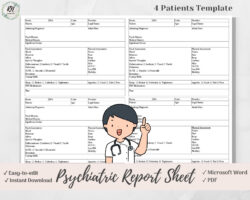
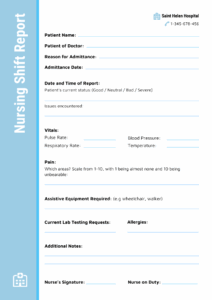
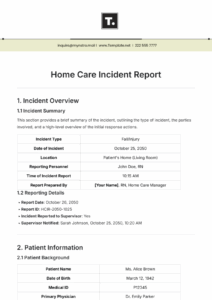
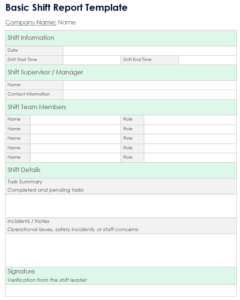
A comprehensive 24-hour report isn’t just a formality; it’s a critical tool that safeguards resident health, ensures compliance, and fosters a culture of accountability within the facility. It provides a snapshot of the past day, highlighting key events, observations, and care provided, ensuring that everyone involved in a resident’s care team is always on the same page. Having a standardized nursing home 24 hour report template can make all the difference in streamlining this essential process.
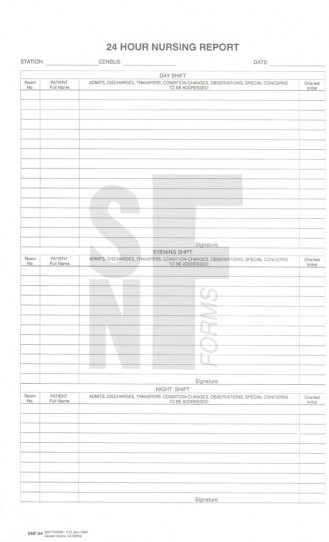
The Essential Components of an Effective 24-Hour Nursing Home Report
Creating a report that truly serves its purpose requires careful consideration of what information is most vital for the next shift. It’s not about documenting every single detail, but rather summarizing the key elements that contribute to a resident’s overall well-being and care plan. A well-structured template guides staff to capture the most relevant data, ensuring nothing critical is overlooked during busy transitions.
These reports are incredibly critical for maintaining the highest standards of care. They enable nurses, CNAs, and other care providers to quickly grasp a resident’s status without having to sift through disparate notes or rely solely on verbal handovers, which can sometimes miss details. A good report enhances patient safety by providing a clear, written record of events, which is invaluable for identifying trends or sudden changes in condition.
A truly effective 24-hour nursing home report covers several key categories, each contributing to a holistic view of the resident’s day. These categories ensure that all aspects of care, from medical to personal, are addressed and documented consistently.
Resident Demographics and Identification
First and foremost, the report must clearly identify the resident and the period it covers. This seems basic, but accuracy here prevents any mix-ups and ensures the information is attributed correctly.
- Resident Name
- Room Number
- Date and Time of Report
- Shift Covered (e.g., Day, Evening, Night)
Vital Signs and Clinical Observations
This section is the core of a resident’s medical status. Any changes, even subtle ones, can indicate a significant shift in health and require immediate attention or follow-up.
- Temperature, Pulse, Respiration, Blood Pressure readings
- Oxygen Saturation levels
- Pain Assessment (including location, intensity, and any interventions)
- Skin integrity (new wounds, changes in existing ones, pressure injury stages)
Medication Administration and Treatment Updates
Given the complexity of medication schedules and various treatments, this section provides a clear record of what was administered and its effects.
- Medications given (dosage, time, route)
- Effectiveness of PRN (as needed) medications
- Treatments performed (e.g., wound care, nebulizer treatments)
- Physician orders received or changes implemented during the shift
Nutritional Intake and Hydration
Monitoring what and how much a resident consumes is vital for their overall health, particularly for those with specific dietary needs or risks of dehydration.
- Meal consumption percentage
- Fluid intake (oral, IV, tube feedings)
- Weight changes (if applicable or requested)
- Dietary concerns or refusals
Activities of Daily Living (ADLs) and Mobility
This section reflects a resident’s functional abilities and the level of assistance they required throughout the day.
- Assistance with bathing, dressing, grooming
- Toileting patterns and continence care
- Mobility status (ambulation, transfers, use of assistive devices)
- Falls or near-falls (including circumstances and follow-up)
Behavioral and Mood Changes
A resident’s mental and emotional state is as important as their physical health. Documenting behavioral changes can help identify underlying issues or the need for specific interventions.
- Observations of agitation, confusion, anxiety, or restlessness
- Social interactions and participation in activities
- Sleep patterns and disturbances
- Any new or concerning behaviors observed
By ensuring all these areas are consistently addressed, staff can hand over care with confidence, knowing the next team member has all the necessary information to continue providing excellent, individualized care. This comprehensive approach ensures that every aspect of a resident’s day is considered, fostering a truly person-centered care model within the facility.
Implementing and Customizing Your Nursing Home 24 Hour Report Template
Adopting a standardized nursing home 24 hour report template across your facility brings numerous advantages beyond just improving communication. It promotes consistency in documentation, reduces the chances of critical information being missed, and can significantly streamline the reporting process. When everyone uses the same format, it becomes much easier for staff, supervisors, and even auditing bodies to quickly find and understand vital information, enhancing overall efficiency and accountability.
Introducing any new system requires thoughtful implementation to ensure staff buy-in and effective utilization. It’s not enough to simply provide a new form; training and ongoing support are crucial. Staff need to understand the ‘why’ behind the template, how it benefits them and the residents, and receive clear instructions on how to accurately complete each section. This includes demonstrating how to be concise yet thorough, focusing on pertinent details rather than verbose descriptions.
Regular review and customization are also key to ensuring the template remains relevant and effective. What works perfectly for one facility might need slight adjustments for another, depending on their resident population, specific regulations, or operational procedures.
- Conduct regular training sessions for all shifts to ensure consistent understanding and usage.
- Establish feedback mechanisms for staff to suggest improvements or clarify ambiguous sections.
- Consider integration with existing electronic health records (EHR) for seamless data flow.
- Ensure the template is easily accessible, whether in print or digital format, for all care team members.
By embracing a well-structured and regularly refined reporting system, nursing homes can significantly elevate their standard of care, ensuring every resident benefits from well-informed and connected care teams.
The proactive use of a detailed 24-hour report ensures that every change, every intervention, and every observation is recorded, fostering a culture of precision and responsiveness. This dedication to thorough documentation not only supports resident safety and well-being but also empowers staff with the confidence that comes from clear, comprehensive information sharing. Ultimately, it contributes to a more harmonious and effective care environment for everyone involved.