In today’s interconnected digital world, relying solely on hope that a disaster won’t strike is, well, a recipe for disaster itself. Every organization, regardless of size or industry, faces potential disruptions, from cyberattacks and power outages to natural calamities. That’s why having a robust disaster recovery plan isn’t just good practice; it’s a fundamental necessity for business continuity.
But here’s the thing: a disaster recovery plan is only as good as its last test. You can spend countless hours crafting meticulous strategies, identifying critical systems, and documenting procedures, but if you don’t actually put those plans through their paces, you’re essentially operating on a wing and a prayer. Testing reveals the inevitable gaps, the overlooked details, and the processes that simply don’t work as expected under pressure.
And once you’ve run those crucial tests, what’s next? You need to document everything. This is where a well-structured disaster recovery test report template becomes your best friend. It’s not just about ticking a box; it’s about capturing invaluable insights, identifying areas for improvement, and demonstrating due diligence to stakeholders.
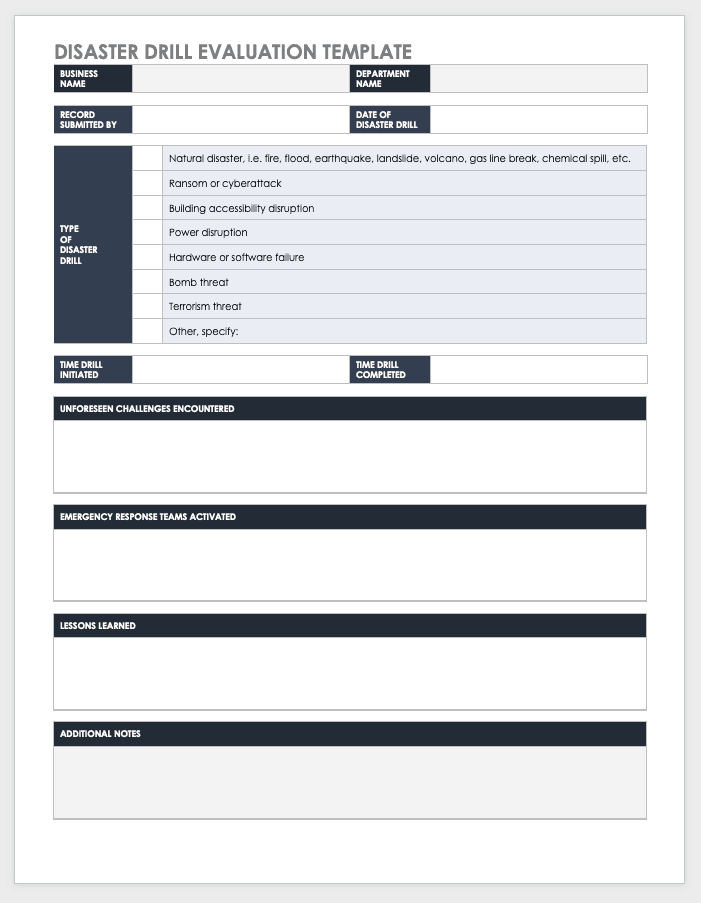
The Core Components of an Effective Disaster Recovery Test Report
Crafting a comprehensive disaster recovery test report is more than just jotting down notes; it’s about providing a clear, concise, and actionable account of your testing efforts. Think of it as the definitive record that will guide future improvements and validate your preparedness. Without a proper structure, your findings might get lost, and the valuable lessons learned could be overlooked.
A good report begins long before the test actually takes place. It should articulate the objectives of the test, whether it’s validating a specific recovery point objective (RPO) or a recovery time objective (RTO), or simply ensuring the team understands their roles. Defining the scope – what systems, applications, and data are included or excluded – is equally crucial to avoid confusion and ensure focused testing.
During the test execution, the report acts as a living document. It records the step-by-step methodology used, the actual events that transpired, and any deviations from the planned procedures. This meticulous logging is essential for reproducibility and for understanding the precise conditions under which successes or failures occurred. Did the backup system perform as expected? Was the failover process seamless? Every detail matters.
Once the dust settles, the analysis phase is critical. This is where you compare the actual outcomes against your predefined objectives. Did you meet your RTO? Was the data integrity maintained? What unexpected challenges arose? The report should clearly highlight these findings, both positive achievements and areas needing attention, providing an objective assessment of your plan’s efficacy.
Finally, and perhaps most importantly, the report isn’t just a historical document; it’s a roadmap for improvement. It should conclude with clear, actionable recommendations based on the findings. These could range from minor procedural tweaks to significant infrastructure investments. Remember, the goal of testing is continuous improvement, and your report is the engine driving that forward motion.
Key Sections to Include in Your Report
- Executive Summary: A high-level overview of the test, key findings, and main recommendations for busy executives.
- Test Objectives and Scope: Clearly state what the test aimed to achieve and what aspects of the DR plan were covered.
- Test Methodology: Describe how the test was conducted, including the scenario, tools, and environment.
- Participants and Roles: List the individuals and teams involved, along with their responsibilities during the test.
- Test Results and Observations: Document actual events, system responses, timestamps, and any incidents or issues encountered.
- Success/Failure Criteria: Evaluate whether the defined objectives were met, including RTO/RPO metrics.
- Findings and Analysis: Interpret the results, identifying strengths, weaknesses, and potential single points of failure.
- Recommendations: Propose specific actions to address identified issues and improve the DR plan.
- Lessons Learned: Reflect on unexpected challenges or valuable insights gained by the team.
- Approvals and Sign-offs: A section for relevant stakeholders to acknowledge and approve the report and its recommendations.
Best Practices for Documentation
- Be Specific: Avoid vague statements; provide precise details, including timestamps, system names, and error codes.
- Use Clear Language: Ensure the report is understandable to both technical and non-technical audiences.
- Include Visuals: Screenshots, network diagrams, and flowcharts can significantly enhance clarity.
- Maintain Version Control: Keep track of different versions of the report as the plan evolves.
- Focus on Actionability: Every finding should ideally lead to a recommendation for improvement.
Beyond the Basics: Making Your Report Actionable
It’s easy to view a disaster recovery test report as a final product, a document to be filed away once the test is complete. However, the true value of this report lies not in its completion, but in its ongoing utility as a tool for continuous improvement. Think of it as a living document that informs and shapes the future resilience of your organization.
An actionable report doesn’t just list problems; it provides the insights necessary to fix them. It empowers your team to prioritize changes, allocate resources effectively, and demonstrate the return on investment for disaster recovery efforts. By highlighting discrepancies between expected and actual performance, you can refine your procedures, update your documentation, and even identify training needs for your personnel.
Moreover, a well-executed report becomes a crucial communication tool for all stakeholders. It allows management to understand the organization’s preparedness level, informs budget decisions for necessary improvements, and reassures compliance officers of your due diligence. Regularly revisiting and updating your disaster recovery test report template ensures that your plan remains relevant and robust in the face of evolving threats and technological changes.
- Identify Single Points of Failure: Use test results to pinpoint critical components that, if failed, would bring down systems.
- Pinpoint RTO/RPO Discrepancies: Clearly state if your actual recovery times and data loss were within acceptable limits, and if not, suggest why.
- Improve Team Communication Protocols: Document any communication breakdowns during the test to enhance future coordination.
- Validate Vendor Performance: Assess if third-party services (e.g., cloud providers, backup services) met their service level agreements during the test.
Thorough and regular testing of your disaster recovery plan is indispensable for maintaining business continuity. It’s the critical step that transforms theoretical strategies into practical, resilient operations. Each test provides invaluable insights, revealing strengths to build upon and weaknesses that demand immediate attention, strengthening your overall preparedness.
A well-crafted disaster recovery test report template is more than just documentation; it’s the foundation for a more resilient future. It’s the tangible proof of your efforts, a blueprint for refinement, and a vital component in ensuring your organization can withstand whatever challenges come its way, allowing you to quickly recover and resume operations with minimal disruption.