Embarking on a journey to create a community garden is an incredibly rewarding endeavor, bringing people together, fostering local food production, and beautifying neighborhoods. However, turning that dream into reality often requires a well-structured plan, especially when seeking support or funding. This is where a robust community garden project proposal template becomes your best friend, guiding you through the essential steps to articulate your vision clearly and persuasively. It ensures you don’t miss any critical details that potential partners or funders will want to see.
Crafting a compelling proposal can seem like a daunting task, but it’s essentially telling the story of your garden project in a way that resonates with your audience. You’re not just asking for resources; you’re inviting others to be a part of a positive change, a green oasis that will serve as a hub for connection and growth within the community. A well-organized proposal acts as a roadmap, demonstrating your project’s viability and its potential for long-term success.
This article will walk you through the key elements you’ll want to include in your proposal, offering insights into what makes a submission truly stand out. We’ll explore the various sections that need careful attention, helping you build a comprehensive document that not only secures support but also lays a strong foundation for your garden’s future.
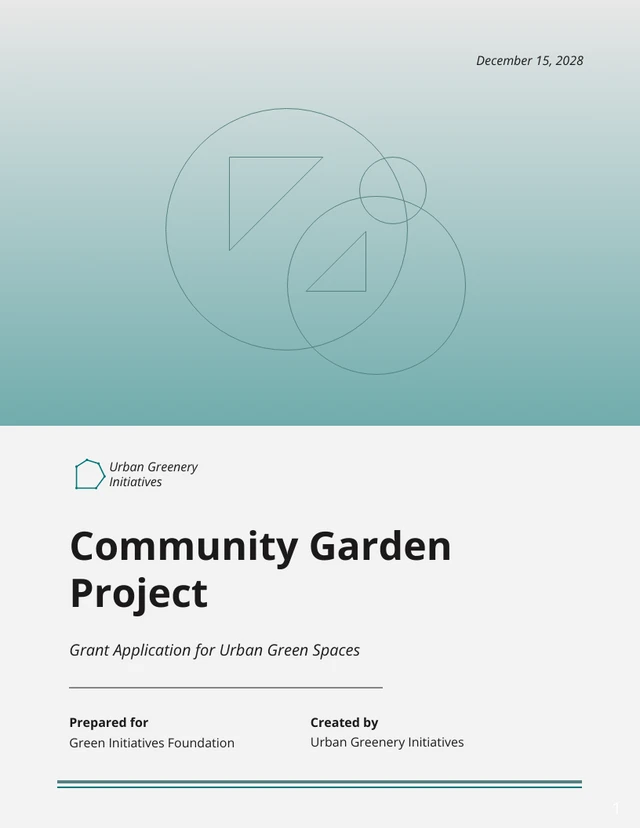
The Essential Components of a Winning Community Garden Proposal
When you’re ready to put pen to paper, or fingers to keyboard, remember that a strong proposal isn’t just a request; it’s a testament to your project’s potential. Each section builds upon the last, painting a complete picture of your vision and how you plan to achieve it. Think of it as constructing the garden itself, one well-planned bed at a time.
First, you’ll want an Executive Summary. This isn’t just an introduction; it’s a concise overview of your entire project, capturing its essence, goals, and funding needs in a paragraph or two. It’s the first thing busy reviewers will read, so make it compelling and crystal clear about what you’re proposing and why it matters.
Next comes the Project Description and Vision. This is where you really get to tell your story. Describe the specific problem or need your community garden will address. Is there a lack of green space, healthy food options, or community engagement? Articulate your long-term vision for the garden and how it will transform the chosen site and the lives of those involved.
Then, outline your Project Goals and Objectives. Goals are broad statements of what you hope to achieve (e.g., "to enhance food security"). Objectives are specific, measurable, achievable, relevant, and time-bound (SMART) steps you’ll take to reach those goals (e.g., "to establish 20 garden plots for community members by spring 2024"). This section demonstrates a clear plan of action.
A crucial part is the Site Analysis and Design. Where will your garden be located? Provide details about the site, including its current condition, ownership, accessibility, and proximity to your target community. You might include a basic site plan or sketch, illustrating the proposed layout of garden beds, paths, water sources, and any communal areas. Discuss soil testing and any necessary preparations.
Naturally, the Budget and Funding Request is vital. This section details all anticipated costs, from soil and tools to water infrastructure and programming. Be transparent and provide a line-item budget. Outline your funding request, clearly stating how much you need and exactly how it will be spent. Also, include information on other potential funding sources, in-kind donations, and a sustainability plan for the garden’s long-term maintenance.
Finally, consider the Management Plan and Timeline. Who will be responsible for what? Detail the organizational structure, roles, and responsibilities of the garden committee, volunteers, or any designated staff. Provide a realistic timeline for project implementation, from site preparation to planting and ongoing maintenance. This shows you’ve thought through the practicalities of keeping the garden thriving.
Crafting a Compelling Narrative and Practical Tips
Beyond the structural components, the way you present your proposal can significantly impact its success. It’s not just about listing facts and figures; it’s about connecting with your audience on a deeper level, showcasing the passion and dedication behind your initiative. A well-written proposal feels like an invitation, not just a request.
Think about the language you use. Adopt a positive, hopeful, and action-oriented tone. Avoid jargon where possible, or explain it clearly. Remember that your readers might not be familiar with gardening terms, so keep it accessible and engaging. Telling a brief, compelling story about a community member who would benefit from the garden can often be more impactful than a page of statistics.
It’s also essential to demonstrate strong community support. Include letters of support from local residents, businesses, schools, or other organizations. This shows that your project isn’t just an idea in a vacuum but is rooted in genuine community need and enthusiasm. The more partners you can gather, even if they’re just offering volunteer hours or small donations, the stronger your proposal will appear.
Here are a few practical tips to keep in mind as you develop your community garden project proposal template:
- **Be Concise and Clear:** Get straight to the point in each section. Reviewers appreciate proposals that are easy to understand and don’t bury key information.
- **Use Visuals:** Incorporate high-quality photos of the proposed site (before), concept sketches, or maps to help illustrate your vision. A picture truly can be worth a thousand words.
- **Proofread Meticulously:** Errors in grammar or spelling can detract from your professionalism. Have multiple people review your proposal for clarity and accuracy.
- **Tailor Your Proposal:** If you’re applying for specific grants, customize your proposal to align with the funder’s mission and priorities. Show them you’ve done your homework.
- **Follow Instructions:** Pay close attention to any submission guidelines, word limits, or required attachments. Failing to follow instructions can lead to immediate disqualification.
Putting together a thorough and heartfelt proposal is an investment in your community’s future. It’s the first vital step in transforming an empty lot into a vibrant, productive space that will nourish bodies and souls for years to come. With careful planning and a clear voice, your dream of a thriving community garden can indeed take root and blossom. By diligently working through each section of your proposal, you’re not just seeking approval; you’re actively building the foundation for a sustainable and impactful green space that will enrich the lives of many.