In the competitive world of commercial real estate, securing a new listing is all about making an impactful first impression. That’s where a meticulously crafted commercial real estate listing proposal template comes into play. It’s more than just a document; it’s your opportunity to showcase your expertise, demonstrate your value, and convince a property owner that you are the absolute best choice to represent their asset. A well-designed proposal can differentiate you from the competition and lay the groundwork for a successful partnership.
Think of your proposal as your firm’s professional handshake, delivered before you even meet the client in person. It needs to be clear, compelling, and tailored to the specific needs and property of your potential client. A generic, one-size-fits-all approach simply won’t cut it in today’s sophisticated market. Property owners want to see that you understand their unique situation and have a strategic plan in place to achieve their goals.
This article will guide you through the essential elements of a powerful listing proposal, helping you understand what makes a winning document and how to present it in a way that truly resonates. From the executive summary to the detailed marketing plan, we’ll explore how to structure your proposal to maximize its impact and win you more listings.
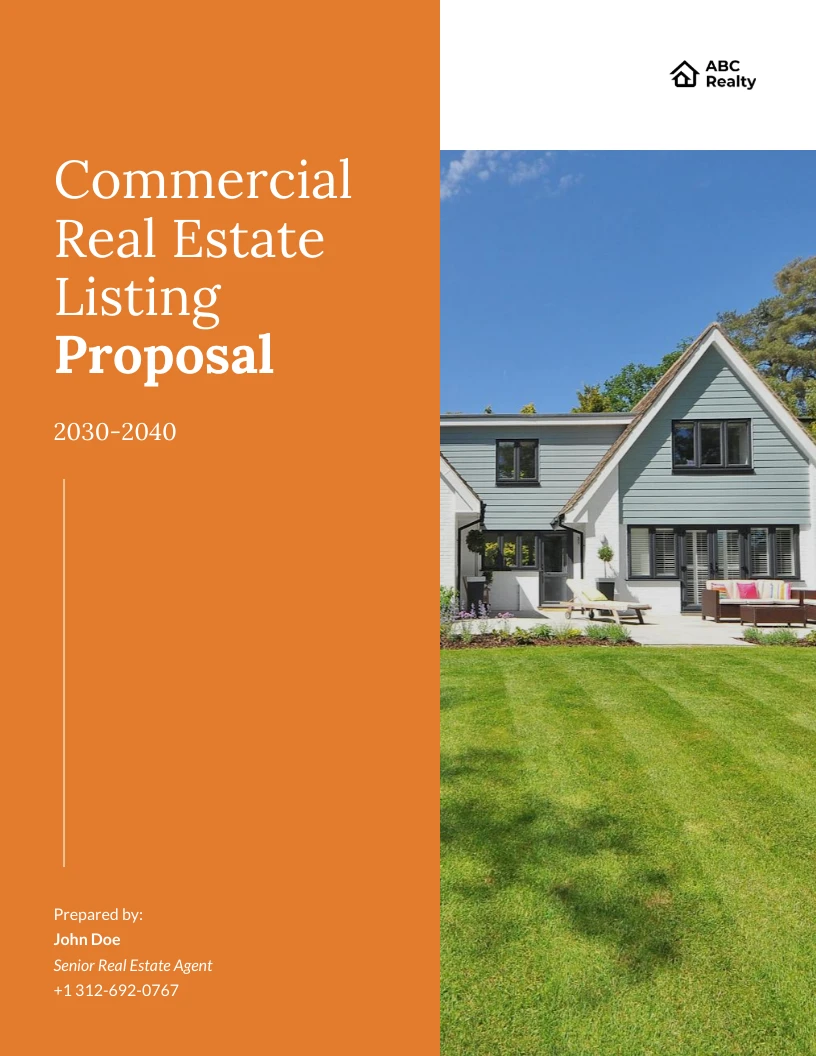
Crafting a Winning Proposal: Essential Components
Developing a comprehensive commercial real estate listing proposal requires careful thought and strategic planning. It’s about telling a story – your story, the property’s story, and the success story you aim to create together. Let’s break down the critical sections that every top-tier proposal should include to inform, persuade, and impress your potential clients.
Executive Summary
The executive summary is arguably the most crucial part of your proposal. It’s the elevator pitch for the entire document, designed to hook the reader immediately. It should briefly outline the purpose of the proposal, highlight the key benefits of working with your firm, and present your core strategy for marketing their property. Keep it concise, compelling, and results-oriented. The goal here is to make the client want to read more.
Property Overview and Analysis
This section demonstrates your understanding of the property itself and its place within the market. Begin with a detailed description of the asset, including its physical characteristics, zoning, current use, and any unique features. Follow this with a thorough market analysis. This should include comparable properties that have recently sold or leased, current market trends, and an assessment of potential buyers or tenants. Providing data-backed insights shows your professionalism and expertise.
Comprehensive Marketing Strategy
This is where you articulate exactly how you plan to find the right buyer or tenant. Outline your multi-channel marketing approach, which might include online listing platforms, social media campaigns, email marketing, direct mail, broker-to-broker networking, and professional photography or virtual tours. Be specific about the platforms you’ll use and the timeline for each activity. Illustrate how your strategy will generate maximum exposure and interest, showcasing your innovative approach to reaching the target audience.
Your Team’s Expertise
Clients want to know who they’re entrusting their valuable asset to. This section should introduce your team members, highlighting their relevant experience, specializations, and track record of success. Include brief biographies, key achievements, and any industry awards or recognitions. Emphasize how your collective skills and knowledge are uniquely suited to handle their property. Client testimonials or case studies can be incredibly powerful here, offering social proof of your capabilities and reliability.
Proposed Terms and Conditions
Transparency regarding the financial aspects is paramount. Clearly lay out your proposed listing period, commission structure, and any other associated fees or expenses. Make sure these terms are straightforward and easy to understand, leaving no room for ambiguity. This section should also address any contingencies or special considerations that might apply to their specific property, demonstrating your foresight and attention to detail.
Call to Action and Next Steps
End your proposal with a clear and concise call to action. What do you want the client to do next? Whether it’s to schedule a follow-up meeting, sign the listing agreement, or discuss specific points, make it easy for them to take the desired action. Provide your contact information prominently and express your eagerness to partner with them. A strong closing reinforces your professionalism and eagerness to begin the collaboration.
Customization and Delivery: Making Your Proposal Stand Out
While a robust commercial real estate listing proposal template provides an excellent foundation, its true power lies in its customization and presentation. A generic proposal, no matter how well-structured, will always fall short compared to one that speaks directly to the client’s specific needs and property goals. Taking the time to personalize each proposal not only shows respect for the client but also significantly increases your chances of securing the listing.
Before you even begin populating your template, conduct thorough research on the client and their property. Understand their motivations for selling or leasing, any unique challenges they face, and their long-term objectives. Use this insight to tailor your language, highlight relevant experience, and focus on the aspects of your service that will most benefit them. A personalized proposal feels more like a solution designed just for them, rather than a boilerplate pitch.
The presentation of your proposal is just as important as its content. Ensure it’s visually appealing, professionally formatted, and free of any errors. Use high-quality images, clear graphs, and a consistent branding. Consider how you will deliver it – whether it’s a sleek digital presentation or a beautifully bound physical document. A polished presentation reinforces your firm’s attention to detail and professionalism.
- **Research the client thoroughly:** Understand their business, goals, and any pain points.
- **Highlight unique property features:** Emphasize what makes their property special and how you’ll leverage it.
- **Tailor your marketing plan:** Adjust strategies based on the property type, location, and target audience.
- **Address specific client concerns:** Show you’ve listened and have solutions for their unique situation.
Mastering the art of the listing proposal is an ongoing process of refinement and adaptation. By diligently applying these principles and continuously seeking to improve, you’ll find yourself consistently winning more desirable listings. A powerful proposal is not just about showcasing a property; it’s about building trust and demonstrating your unwavering commitment to achieving your client’s commercial real estate objectives.
Ultimately, your proposal is a tangible representation of your expertise, professionalism, and dedication. It serves as a critical tool in establishing credibility and forging strong client relationships from the very first interaction. Invest the time and effort into creating an outstanding proposal, and watch as it transforms your ability to secure new and exciting opportunities in the dynamic commercial real estate market.