Embarking on a service learning journey is an incredibly rewarding experience, offering students a unique opportunity to connect classroom knowledge with real-world community needs. To ensure your project is well-structured, impactful, and gains the necessary approvals, a clear and comprehensive service learning project proposal template is absolutely essential. This document serves as your blueprint, outlining every aspect from your project’s goals to its expected outcomes, guiding you through the process of making a tangible difference.
Service learning goes beyond traditional volunteering; it’s a pedagogical approach that integrates meaningful community service with instruction and reflection to enrich the learning experience, teach civic responsibility, and strengthen communities. It allows students to apply academic skills to address genuine community issues, fostering a deeper understanding of course material and the broader societal context.
A well-crafted proposal is not just a formality; it’s a powerful tool for planning, communication, and securing support. It helps you articulate your vision, define your objectives, and demonstrate how your project will benefit both the students involved and the community you aim to serve. Let’s delve into what makes an effective proposal and how you can develop one that stands out.
Understanding the Core Components of Your Service Learning Proposal
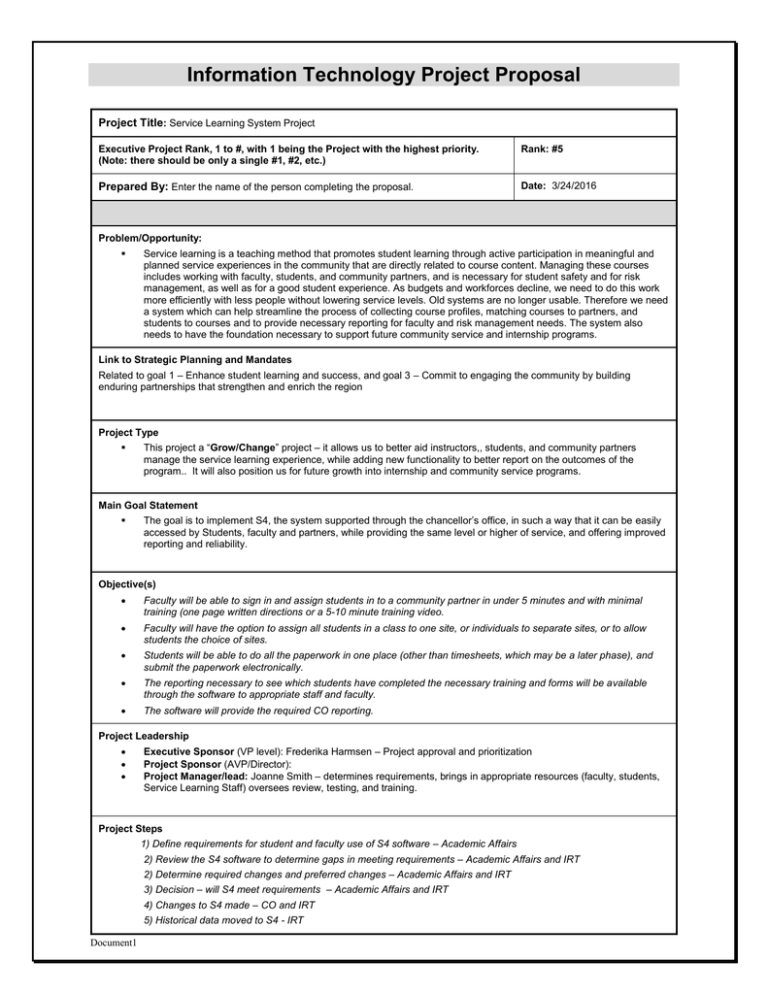
Creating a robust service learning proposal requires careful thought and meticulous planning. Think of your proposal as a detailed story that convinces your audience of your project’s worth and feasibility. Every section plays a crucial role in painting a complete picture of your initiative, from its initial spark of an idea to its anticipated impact and reflection process.
Start with a clear and concise project title that immediately conveys the essence of your initiative. Follow this with an executive summary or project overview. This introductory section should provide a brief yet comprehensive snapshot of your entire proposal. It’s often the first thing readers see, so make it compelling. Clearly state your project’s purpose, the problem it addresses, who it benefits, and what you aim to achieve.
Next, identify your community partner and conduct a thorough needs assessment. This section is vital for demonstrating that your project addresses a genuine, identified need within the community, rather than merely a perceived one. Explain who your community partner is, their mission, and how your project aligns with their goals. Detail the specific community need your project seeks to address, providing evidence or data to support its significance. This shows respect for the community’s perspective and ensures your efforts are truly valuable.
Clearly define your learning objectives. This is where the “learning” in service learning truly shines. What academic knowledge, skills, or civic responsibilities will students gain or enhance through their participation? These objectives should be specific, measurable, achievable, relevant, and time-bound (SMART). Connect them directly to your course curriculum or educational goals, explaining how the service experience will deepen understanding and promote personal growth.
Outline the specific project activities and create a realistic timeline. Describe in detail the tasks students will undertake to address the identified community need. Break down the project into manageable phases, assigning specific responsibilities and estimating the time required for each. This demonstrates that you have thought through the practical implementation and logistics, making your proposal appear organized and achievable. Consider potential challenges and how you might mitigate them.
Finally, present your evaluation plan and reflection strategies. How will you measure the success of your project, both in terms of community impact and student learning? Describe the methods you’ll use to collect data, assess outcomes, and determine if your objectives were met. Equally important is the reflection component. Detail the structured activities or assignments that will encourage students to critically think about their service experience, connect it to their learning, and consider its broader implications. This could include journals, group discussions, presentations, or essays.
Crafting a Compelling Proposal: Tips and Best Practices
Beyond simply filling in the sections of a service learning project proposal template, the way you present your information can significantly influence its reception. Clarity, conciseness, and a genuine passion for your project are key. Avoid jargon where possible, and always write with your audience in mind, whether they are faculty members, administrators, or community stakeholders.
Proofread meticulously. A proposal riddled with grammatical errors or typos can undermine your credibility. After drafting your proposal, step away from it for a bit, then come back with fresh eyes, or ask a trusted colleague to review it. Ensure that your narrative flows logically from one section to the next and that all information is consistent and easy to understand.
Consider the following elements to make your proposal truly shine:
- Clearly define your project’s scope, ensuring it is achievable within the given timeframe and resources.
- Highlight the mutual benefits for both students and the community partner, emphasizing the reciprocal nature of service learning.
- Be realistic about your resource requirements, including time, budget, and personnel, and justify them clearly.
- Showcase a strong understanding of your community partner’s organization and specific needs, demonstrating a collaborative approach.
- Emphasize the measurable learning outcomes for participants, linking them directly to educational goals and civic engagement.
Developing a comprehensive proposal for your service learning initiative is a crucial step towards creating meaningful and impactful experiences. It not only streamlines the planning process but also acts as a foundational document for all stakeholders involved, ensuring everyone is aligned with the project’s vision and objectives. A well-articulated plan reflects thoughtful consideration and a genuine commitment to making a positive difference, setting the stage for success.
By investing time and effort into crafting a thorough proposal, you are not just completing a requirement; you are laying the groundwork for a project that will enrich student learning, empower communities, and contribute to a more engaged and responsible citizenry. Take pride in clearly articulating your vision, and prepare to embark on a transformative journey.