In today’s evolving professional landscape, the traditional 9-to-5 office model is increasingly making way for more dynamic and adaptable approaches to work. Many professionals are seeking greater autonomy over their schedules and work environments, recognizing the profound impact this can have on well-being and productivity. If you are considering such a shift, crafting a compelling argument is essential, and having a well-structured flexible work arrangement proposal template at your disposal can make all the difference in presenting your case effectively to your employer.
The benefits of embracing flexibility extend far beyond individual preference. Employees often experience improved work-life balance, reduced stress from commutes, and increased job satisfaction, which in turn can lead to higher engagement and loyalty. For organizations, flexible work arrangements can broaden the talent pool, enhance employee retention, and even boost overall productivity by allowing staff to work during their most effective hours, free from traditional office distractions.
This article will guide you through the process of developing a persuasive proposal that not only outlines your desired arrangement but also clearly articulates the advantages for your team and the company. By thoughtfully preparing your case, you significantly increase the likelihood of securing an arrangement that benefits everyone involved.
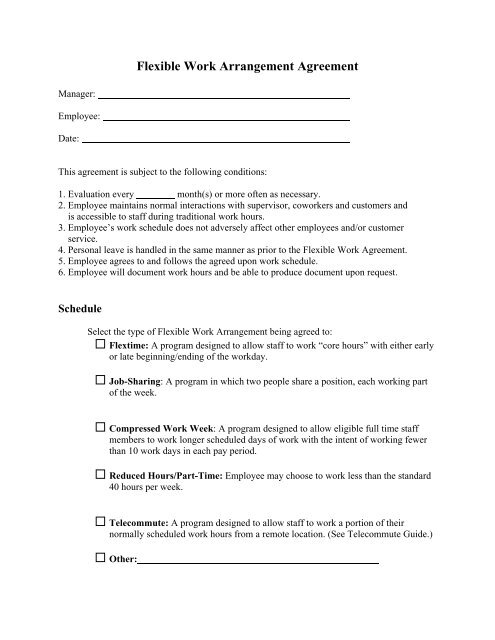
Crafting Your Winning Flexible Work Proposal
Developing a strong proposal is about more than just asking for a change; it is about presenting a clear, well-thought-out business case that demonstrates how your proposed flexible arrangement will maintain or even improve your performance and contribute positively to the company. Think of it as a strategic document designed to alleviate concerns and highlight mutual benefits.
Understanding the Basics of Flexible Work Arrangements
Before diving into the specifics of your own request, it helps to understand the various forms flexible work can take. This might include remote work (full-time or partial), a hybrid model (a mix of office and remote days), compressed workweeks (working full hours in fewer days), flextime (adjusting start and end times), or even job sharing. Identifying which type best suits your role and the company’s needs is your first step.
Key Components to Include in Your Proposal
A comprehensive flexible work arrangement proposal template should typically cover several core areas. Start with a clear statement of your request, then move into the details that support your case. Being thorough here shows your commitment and thoughtfulness.
Proposed Schedule and Logistics
Clearly define the specific schedule you are requesting. If it is a hybrid model, specify which days you will be in the office and which you will work remotely. For flextime, propose your desired start and end times. Be precise about hours, locations, and any changes to your availability during core business hours. This section leaves no room for ambiguity.
Benefits to the Company
This is perhaps the most critical section. Focus on how your flexible arrangement will benefit your employer. Will it improve your productivity by reducing commute stress? Will it allow you to better focus on deep work without office interruptions? Could it enhance coverage across different time zones or allow you to take on projects that require more concentrated effort? Frame these benefits in terms of business outcomes.
Maintaining and Measuring Performance
Address head-on any potential concerns about performance. Explain how you will ensure your work quality and output remain high or even improve. Detail the tools you will use for communication and collaboration (video conferencing, project management software). Propose specific metrics or deliverables that can be used to objectively measure your ongoing performance, demonstrating accountability.
Communication Plan
Outline your strategy for effective communication with colleagues, managers, and clients. How will you remain accessible? What are your proposed response times for emails and messages? Will you use specific channels for urgent matters? A proactive communication plan can ease concerns about potential isolation or difficulty reaching you.
Trial Period and Review
Suggesting a trial period (e.g., 3-6 months) shows flexibility on your part and allows both you and your employer to assess the success of the arrangement. Propose a review meeting at the end of this period to discuss what worked well, what did not, and make any necessary adjustments. This offers a low-risk way for the company to experiment with the new setup.
Making Your Proposal Irresistible
Once you have meticulously drafted your flexible work arrangement proposal template, the way you present it can significantly impact its reception. Remember, this is a conversation, not just a document delivery. Approach it with confidence, professionalism, and a willingness to discuss and negotiate.
Before your meeting, anticipate potential objections or questions your manager might have and prepare thoughtful responses. Have data ready to support your claims, whether it is personal productivity statistics, industry trends on flexible work benefits, or specific examples of how you have successfully managed tasks independently in the past. Your preparation demonstrates your seriousness and commitment.
During the discussion, maintain a positive and collaborative tone. Present your proposal as a solution that benefits both you and the company, emphasizing how it aligns with organizational goals. Be open to feedback and compromise. Your manager might have valid concerns or alternative suggestions, and being receptive to these can lead to a mutually beneficial agreement. It is about finding common ground, not issuing an ultimatum.
Successfully implementing a flexible work arrangement is a continuous effort. By presenting a well-researched, clearly articulated proposal and engaging in a constructive dialogue, you are not just asking for a personal benefit; you are demonstrating your value to the organization and contributing to a more modern, effective work culture. The foundation you lay with your proposal sets the stage for a positive and productive flexible work experience for everyone involved.