Embarking on your final year project is a significant milestone, marking the culmination of your academic journey and an opportunity to apply everything you have learned. It is a chance to delve deep into a topic that excites you, contribute new insights, and showcase your skills. However, before you can dive into the exciting work itself, you first need to present a clear, compelling vision for your project, and that is where a robust final year project proposal template becomes incredibly useful.
Many students find the process of crafting a proposal daunting. It is more than just stating what you want to do; it involves outlining your research question, methodology, expected outcomes, and the broader significance of your work. Without a proper structure, it is easy to miss crucial details or present your ideas in a disorganized manner, potentially hindering your project’s approval and overall success.
This article will guide you through the essential elements of a successful project proposal, helping you understand what your supervisors and evaluation committees are looking for. By following a structured approach, you can articulate your project’s value, demonstrate your preparedness, and set a solid foundation for the months ahead.
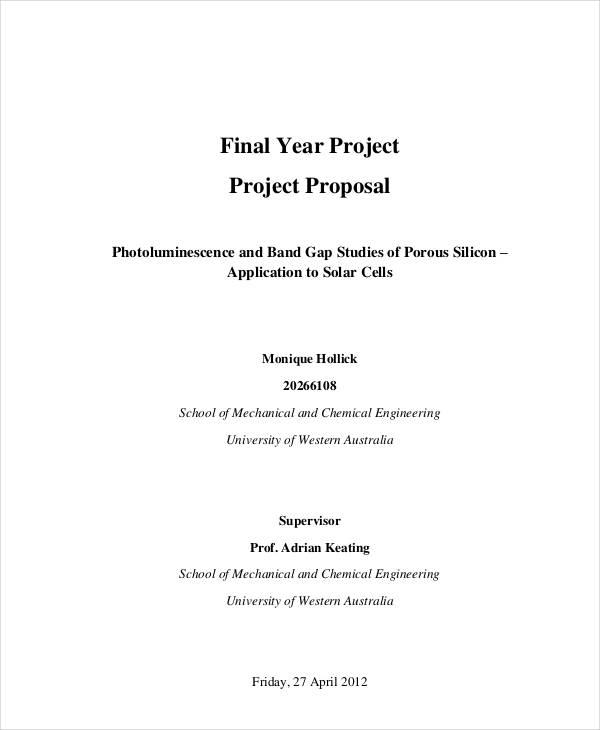
Understanding the Core Components of Your Project Proposal
A well-structured project proposal acts as a blueprint, guiding not only your assessors but also yourself throughout the project’s lifecycle. It ensures that all critical aspects of your planned work are thoroughly considered and clearly communicated. Think of it as telling a coherent story about your project, from its inception to its potential impact.
Project Title
Your title should be concise yet descriptive, accurately reflecting the core subject and scope of your project. It is the first impression your proposal makes, so aim for clarity and intrigue without being overly vague or academic jargon-heavy. A good title immediately tells the reader what your project is about.
Abstract or Executive Summary
This section provides a brief overview of your entire proposal, typically no more than a single paragraph. It summarizes your project’s objective, methodology, expected outcomes, and significance. Its purpose is to give readers a quick understanding of your work, making them want to read the full proposal for more detail.
Introduction and Background
Here, you set the stage for your project. Begin by introducing the general field of study, then progressively narrow down to the specific area your project addresses. Provide sufficient background information to help readers understand the context and relevance of your work, demonstrating that you have a solid grasp of the existing knowledge.
Problem Statement
This is perhaps the most critical part of your proposal. Clearly articulate the specific problem, gap in knowledge, or challenge that your project aims to address. Explain why this problem is significant and why it warrants investigation. A strong problem statement defines the very purpose of your project.
Aims and Objectives
Based on your problem statement, outline the overall aim of your project and then break it down into specific, measurable, achievable, relevant, and time-bound (SMART) objectives. The aim is your overarching goal, while objectives are the steps you will take to achieve that aim.
Literature Review
Demonstrate your understanding of existing research and theories related to your topic. The literature review shows that you are aware of what has already been done, identifies gaps in current knowledge, and justifies how your project will contribute to or build upon previous work. It positions your project within the broader academic discourse.
Methodology
Detail the specific research methods and approaches you plan to use to achieve your objectives. Explain your data collection techniques, data analysis methods, and any tools or software you intend to employ. Justify your methodological choices and discuss their appropriateness for your project’s aims, ensuring they are scientifically sound and feasible.
Expected Outcomes and Deliverables
Clearly state what you anticipate your project will achieve and what tangible outputs or deliverables it will produce. This could include research findings, a prototype, a software application, a detailed report, or a set of recommendations. Explain the potential impact or significance of these outcomes, both academically and practically.
Timeline or Work Plan
Provide a realistic schedule outlining the key stages of your project, from literature review and data collection to analysis and final report writing. A Gantt chart or similar visual representation can be very effective here, demonstrating your ability to manage the project within the allotted timeframe.
References
Include a comprehensive list of all sources cited within your proposal, following a consistent referencing style (e.g., APA, MLA, Harvard). This acknowledges the intellectual work of others and allows readers to consult your sources for further information.
Tips for Crafting a Compelling Proposal That Stands Out
Beyond simply filling in the sections, the way you present your ideas makes a huge difference. A compelling proposal is not just about having good content; it is also about persuasive writing, clarity, and attention to detail. Remember that your proposal is a persuasive document, designed to convince others of your project’s merit and your capability to execute it successfully.
Always strive for clarity and conciseness. Avoid jargon where simpler language will suffice, and ensure your arguments flow logically from one section to the next. Proofread meticulously for any grammatical errors, typos, or inconsistencies; these can detract from the professionalism of your submission and give an impression of carelessness. A fresh pair of eyes from a friend or supervisor can often catch mistakes you have overlooked.
Consider the feasibility and originality of your project. While ambition is commendable, your project must be realistic given the time, resources, and expertise available to you. Highlight what makes your project unique or how it contributes something new to the field. This demonstrates critical thinking and innovation. A well-prepared final year project proposal template is a fantastic starting point, but infusing it with your unique perspective and thorough planning is what truly elevates it.
Here are a few more pointers:
Successfully completing your final year project begins long before you write a single line of code or collect any data. It starts with a well-thought-out, clearly articulated proposal that serves as your guiding star. By investing time and effort into this initial phase, you lay a strong foundation for a project that is not only manageable but also intellectually rewarding.
Think of your proposal as the first significant step in demonstrating your academic and research capabilities. It is a chance to prove that you have a viable idea, a solid plan to execute it, and the determination to see it through to completion. With careful planning and attention to the components outlined, you are well on your way to a successful final year project experience.