Diving into the world of machine learning projects is incredibly exciting, but turning that excitement into a tangible, actionable plan requires more than just a brilliant idea. It demands a clear, structured approach, and that’s precisely where a robust machine learning project proposal template comes into play. Think of it as your project’s blueprint, guiding you from a nebulous concept to a concrete, fundable, and executable endeavor. A well-crafted proposal doesn’t just outline what you want to do; it articulates why it matters, how you’ll achieve it, and what impact it will have.
A solid proposal isn’t merely a formality; it’s a critical communication tool. Whether you’re seeking internal approval, external funding, or trying to align a diverse team, your proposal serves as the definitive document that brings everyone onto the same page. It helps stakeholders understand the problem you’re addressing, the innovative solution you’re proposing, and the resources required to bring it to life. Without this clarity, even the most groundbreaking machine learning initiatives can falter due to misunderstandings or a lack of perceived value.
So, if you’re ready to transform your innovative machine learning concept into a well-defined project with a high chance of success, understanding the components of an effective proposal is your next crucial step. This article will walk you through the key sections you’ll need, helping you build a compelling narrative that secures support and sets your project up for triumph.Deconstructing the Essential Components of Your ML Project Proposal
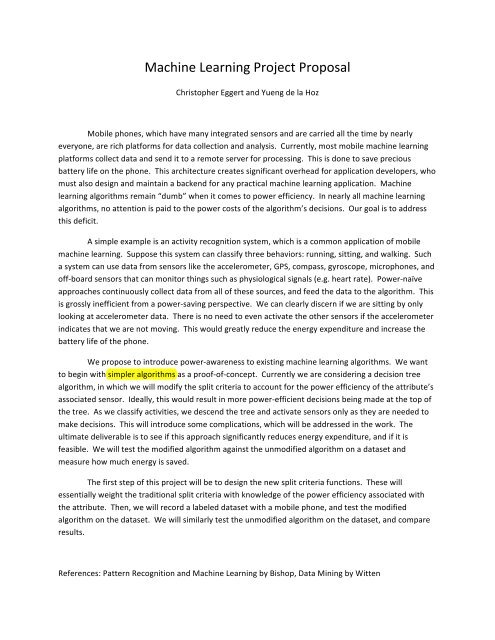
Crafting a compelling machine learning project proposal involves thoughtfully articulating various aspects of your project. It’s about telling a story that captivates your audience while simultaneously providing all the necessary technical and logistical details. Each section plays a vital role in painting a complete picture of your vision, methodology, and expected impact. Let’s break down the core elements that should be present in any comprehensive proposal.
Executive Summary
Start with a high-level overview. This isn’t just an introduction; it’s a concise summary of the entire proposal, designed to capture attention and provide a quick understanding of the project’s essence. It should briefly touch upon the problem, your proposed solution, the expected outcomes, and the resources needed. Write this section last, ensuring it accurately reflects the content of the full document, and make it compelling enough for someone to want to read more.
Problem Statement
Clearly define the problem you are trying to solve. Why is this project necessary? What pain point exists? Provide context, background, and data to illustrate the severity and impact of the problem. This section sets the stage for your solution and justifies the need for your machine learning intervention. Be specific and quantify the problem whenever possible to demonstrate its significance.
Project Objectives
Once you’ve established the problem, outline your specific, measurable, achievable, relevant, and time-bound (SMART) objectives. What exactly do you aim to accomplish with this machine learning project? Distinguish between primary and secondary objectives. For example, a primary objective might be to “develop a fraud detection model with 95% accuracy,” while a secondary objective could be to “reduce manual review time by 20%.”
Methodology and Approach
This is where you detail *how* you plan to achieve your objectives. Describe the specific machine learning techniques, algorithms, and models you intend to use. Explain your data collection strategy, preprocessing steps, feature engineering, model training, validation, and evaluation metrics. Discuss the tools and libraries you anticipate using. Transparency in your methodology builds confidence and demonstrates your technical understanding.
Within your methodology, don’t forget to address data considerations. Where will your data come from? Is it clean? How will you handle data privacy and ethical concerns? A robust data strategy is fundamental to any successful machine learning project. Also, consider the experimental design you’ll employ to test and refine your models. Will you use A/B testing, cross-validation, or other specific evaluation frameworks? This level of detail shows a thorough approach.
Timeline and Resources
Provide a realistic timeline broken down into key phases and milestones. This demonstrates your planning capabilities and helps stakeholders visualize the project’s progression. List all necessary resources, including personnel (roles and responsibilities), hardware, software, and any specialized datasets or cloud services. A clear resource allocation plan ensures that the project’s needs are well understood.
Expected Outcomes and Impact
What tangible results do you expect to achieve? How will your project make a difference? Quantify the expected benefits whenever possible – whether it’s improved efficiency, cost savings, enhanced user experience, or new insights. Discuss the potential impact on your organization, customers, or the broader community. This section should clearly link your project back to the initial problem statement and show how your solution directly addresses it.
Tips for Crafting a Compelling Proposal and Avoiding Common Pitfalls
Beyond filling out the sections, the way you present your information can significantly influence your proposal’s success. A compelling proposal isn’t just about technical accuracy; it’s about clarity, persuasion, and forethought. Remember that your audience might not be as technically inclined as you are, so striking a balance between detail and accessibility is key.
One crucial tip is to always keep your audience in mind. Are you writing for fellow data scientists, business executives, or potential investors? Tailor your language, level of technical detail, and emphasis accordingly. For instance, business stakeholders will likely care more about ROI and strategic impact than the intricacies of your chosen deep learning architecture. Use clear, concise language and avoid excessive jargon where simpler terms will suffice. Visual aids like diagrams, charts, and flowcharts can also be incredibly effective in explaining complex ideas quickly and clearly.
Another common pitfall to avoid is being overly optimistic or vague. Be realistic about challenges, potential risks, and the resources required. While enthusiasm is good, an overly rosy picture can undermine credibility. Similarly, avoid general statements; be specific in your objectives, methodology, and expected outcomes. A machine learning project proposal template provides the structure, but your unique insights and detailed planning will fill it with substance, ultimately leading to a document that truly stands out.
A well-structured and thoughtfully articulated proposal is your project’s first step towards success. By clearly outlining your vision, methodology, and anticipated impact, you not only secure the necessary resources but also foster alignment and enthusiasm among your team and stakeholders. It transforms a complex technical undertaking into an understandable and achievable goal.
Embracing a systematic approach to proposal writing empowers you to think critically about every aspect of your machine learning initiative. It helps identify potential roadblocks early, ensures a comprehensive plan is in place, and ultimately paves the way for the successful execution of your innovative ideas, turning concepts into impactful realities.