Embarking on a journey to secure funding for climate action can feel like navigating a complex maze. That’s where a well-structured green climate fund proposal template becomes an invaluable compass. It’s not just about filling in blanks; it’s about strategically presenting your vision, demonstrating impact, and aligning with the Green Climate Fund’s (GCF) mission to support developing countries in their efforts to address climate change.
The GCF is a significant financial mechanism under the United Nations Framework Convention on Climate Change (UNFCCC), designed to help nations achieve their nationally determined contributions (NDCs). It finances both mitigation projects, aiming to reduce greenhouse gas emissions, and adaptation projects, helping communities and ecosystems cope with the adverse effects of climate change.
Understanding the GCF’s stringent requirements and ensuring your proposal resonates with their strategic objectives is paramount. This isn’t just a funding application; it’s a blueprint for tangible, impactful change. Let’s delve into what makes a winning proposal and how you can effectively prepare yours.
Navigating the Green Climate Fund’s Expectations
When you’re preparing to submit a proposal to the Green Climate Fund, you’re not just writing a document; you’re crafting a compelling story of change. The GCF looks for projects that are transformative, scalable, and demonstrate a clear pathway to achieving significant climate impact. This means every section of your proposal needs to be meticulously thought out and backed by solid evidence.
One of the core aspects the GCF assesses is the project’s relevance to national priorities and international climate goals. Your proposal must clearly articulate how it contributes to the host country’s climate agenda and, where applicable, its NDCs. This requires a deep understanding of the local context, existing policies, and the specific climate vulnerabilities or emission sources your project aims to address.
Furthermore, the GCF places a strong emphasis on stakeholder engagement and country ownership. They want to see that the project is not just imposed from above, but genuinely co-created with the communities and institutions it seeks to serve. Demonstrating robust consultation processes, gender considerations, and the involvement of indigenous peoples and local communities can significantly strengthen your application.
The financial architecture of your project is another critical area. The GCF encourages innovative financing structures and the mobilization of co-financing from various sources, including public and private sectors. Your proposal should provide a detailed budget, a clear financial plan, and a robust economic and financial analysis demonstrating the project’s viability and cost-effectiveness. Showcasing how GCF funds will be catalytic and unlock further investment is highly valued.
Beyond the initial implementation, the GCF is keenly interested in the long-term sustainability and replicability of your project. How will the benefits endure once GCF funding concludes? What mechanisms are in place for ongoing operation and maintenance? Are there opportunities to scale up the intervention or replicate it in other regions or contexts? These are crucial questions your proposal must answer convincingly.
Ultimately, a successful GCF proposal isn’t just about meeting criteria; it’s about painting a vivid picture of a more resilient and sustainable future. It’s about demonstrating your capacity to deliver, your commitment to transparency, and your dedication to making a real difference in the fight against climate change. Each section, from the executive summary to the detailed annexes, contributes to this overarching narrative of impact and potential.
Structuring Your Proposal for Success
Having a clear structure is key to presenting your project effectively and ensuring all GCF requirements are met. While the specific template might vary slightly depending on the funding window or modality, certain core components are always present. Think of your proposal as a guided tour for the GCF reviewers, leading them through your vision with clarity and precision.
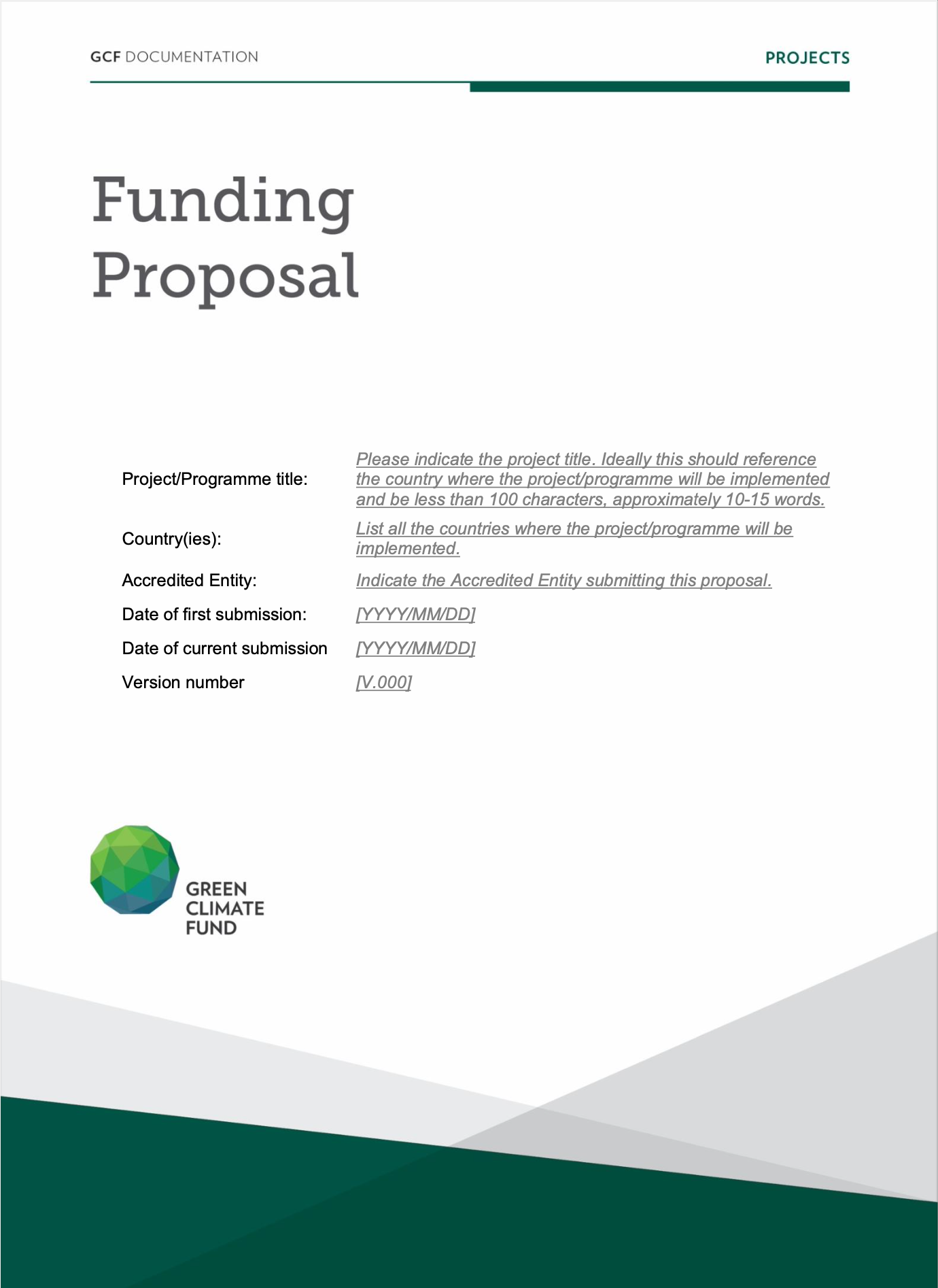
A good green climate fund proposal template will typically guide you through sections like project title and executive summary, providing a concise overview of your entire project. This is followed by detailed sections on project context and baseline, outlining the problem you’re addressing, the current situation, and how your proposed intervention will change it. This is where you establish the need for GCF support.
You’ll then delve into the project description, objectives, and expected results, articulating what you aim to achieve and how you’ll measure success. This section often includes a theory of change, explaining the logical links between your activities, outputs, outcomes, and overall impact. Environmental and social safeguards are also crucial, demonstrating your project’s commitment to “do no harm” and maximize positive co-benefits.
Here’s a general outline of common sections you might find in a comprehensive green climate fund proposal template:
- Project Summary and Rationale
- Context and Baseline
- Project Description and Objectives
- Expected Results and Impacts
- Implementation Arrangements and Management
- Monitoring and Evaluation Framework
- Budget and Financial Plan
- Environmental and Social Safeguards
- Stakeholder Engagement and Gender Assessment
- Sustainability and Replicability
- Annexes (e.g., feasibility studies, stakeholder consultation reports)
Meticulously populating each of these sections with well-researched information, clear data, and compelling narratives will significantly increase your proposal’s chances of approval. Remember, clarity and coherence are your allies.
Crafting a robust proposal for the Green Climate Fund is undoubtedly a demanding task, requiring significant planning, collaboration, and attention to detail. However, the potential for transformative impact on vulnerable communities and ecosystems makes the effort incredibly worthwhile. It’s an opportunity to translate innovative ideas into tangible solutions for our planet’s most pressing environmental challenges.
By meticulously addressing each component, demonstrating your project’s alignment with GCF priorities, and showcasing a clear path to sustainable, impactful results, you are not just submitting an application; you are contributing to a global movement for climate resilience and a greener future. Your well-prepared proposal stands as a testament to your commitment to making a difference.