Embarking on a scientific research journey is exciting, filled with the promise of discovery and innovation. However, before you can dive into experiments or data collection, there’s a crucial first step: articulating your vision clearly and persuasively. This is where a robust scientific research project proposal template becomes an invaluable asset, guiding you through the process of outlining your ideas, methodology, and expected outcomes in a structured format that captivates your audience. It transforms a budding idea into a concrete, actionable plan.
A well-crafted proposal is far more than just a formality; it is the cornerstone of successful research. It serves as your persuasive argument to funding bodies, ethics committees, and even your own supervisory team, demonstrating the significance and feasibility of your project. It forces you to think critically about every facet of your research, from the initial question to the final dissemination of results, ensuring a cohesive and logical approach.
This guide will walk you through the essential components of an effective research proposal, providing insights into what makes a submission truly stand out. Whether you are a student, an early-career researcher, or an experienced scientist seeking new grants, understanding these elements will empower you to present your research ideas with clarity, confidence, and compelling detail, setting the stage for a successful scientific endeavor.
Deconstructing the Proposal: Essential Sections for Your Research Project
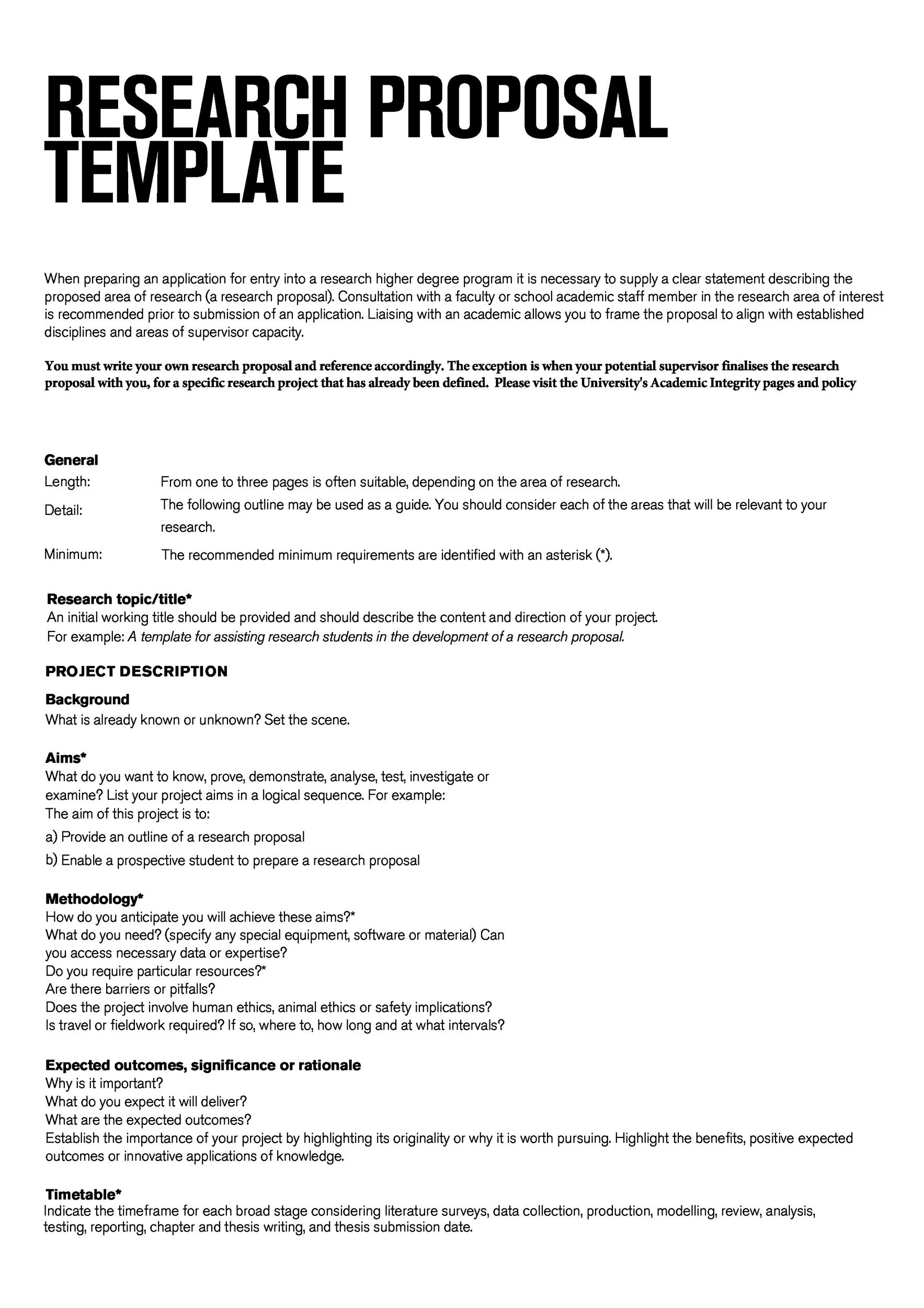
Understanding the core components of a research proposal is the first step toward crafting one that resonates with reviewers and stakeholders. A comprehensive scientific research project proposal template typically breaks down your complex ideas into digestible, logical sections, ensuring that no critical detail is overlooked. Each part plays a vital role in painting a complete picture of your proposed work, from its intellectual genesis to its practical execution and anticipated impact.
Your proposal will almost always begin with a strong, informative title that clearly reflects the essence of your project. Following this, an abstract or executive summary provides a concise overview of your entire proposal, highlighting the research question, methodology, key objectives, and expected outcomes. Think of it as your project’s elevator pitch; it needs to be engaging and informative enough to make the reader want to delve deeper into your work.
The introduction then expands upon the abstract, setting the stage for your research. Here, you’ll establish the background context, introduce the problem your research addresses, and briefly outline its significance. This section is crucial for demonstrating your understanding of the current literature and for clearly identifying the gap in knowledge that your project intends to fill. A compelling introduction makes the case for why your research is necessary and timely.
Following the introduction, you will articulate your specific research questions or hypotheses. These should be clear, focused, and testable, providing direction for your entire study. Well-formulated questions or hypotheses are the backbone of any scientific inquiry, guiding your methodology and ultimately shaping the conclusions you can draw. They represent the intellectual core of your project.
The methodology section is arguably the most critical part of your proposal. This is where you detail exactly how you plan to answer your research questions. You’ll need to describe your research design, target population or sample, data collection instruments and procedures, and the statistical or qualitative analysis methods you intend to use. This section needs to be thorough, demonstrating the feasibility and rigor of your approach, and ensuring that your methods are appropriate for achieving your stated objectives. Ethical considerations, such as informed consent and data privacy, must also be addressed here.
Finally, you will discuss the expected outcomes and significance of your research. What new knowledge do you anticipate generating? How will your findings contribute to the scientific community, society, or a specific field? This section allows you to articulate the broader impact of your work, highlighting its potential to solve problems, inform policy, or advance understanding. Demonstrating the novelty and relevance of your projected results is key to securing approval and funding.
Elevating Your Proposal: Strategies for Maximum Impact
Beyond merely filling out a template, making your scientific research project proposal truly shine requires strategic thinking and meticulous attention to detail. It’s about presenting your ideas in a way that is not only scientifically sound but also compelling and easy to understand for diverse audiences. Reviewers often sift through numerous proposals, so ensuring yours stands out for its clarity and persuasive power is paramount.
One of the most effective strategies is to tailor your proposal to your specific audience. Different funding agencies or committees may have distinct priorities, evaluation criteria, or even preferred writing styles. Researching these nuances and aligning your proposal’s language and emphasis accordingly can significantly increase its chances of success. Highlight how your project aligns with their mission or strategic goals, making it clear why your research is a perfect fit for their support.
Clarity and conciseness are virtues in proposal writing. While thoroughness is essential, avoid jargon where simpler language suffices, and always strive for precision in your descriptions. Every sentence should contribute meaningfully to your argument. Consider the flow and readability of your text; a well-organized proposal that guides the reader logically from one point to the next is far more engaging and convincing.
* Be clear and concise in all sections.
* Understand and cater to your specific audience or funding body.
* Provide a strong narrative that connects all parts of your proposal.
* Proofread meticulously for any errors in grammar, spelling, or formatting.
* Seek feedback from peers and mentors to identify areas for improvement.
Finally, never underestimate the power of thorough proofreading and seeking external feedback. A fresh pair of eyes can catch errors or awkward phrasing that you might have overlooked. Asking colleagues or mentors to review your draft can provide invaluable insights, helping you refine your arguments, clarify confusing sections, and strengthen the overall presentation of your project. This collaborative approach ensures that your final submission is polished, professional, and impactful, reflecting the high standards of your scientific aspirations.
Crafting a compelling research proposal is undoubtedly a challenging endeavor, but it is also an incredibly rewarding one. It provides an opportunity to refine your thinking, articulate your vision, and secure the resources necessary to bring your scientific ideas to life. By approaching the task with a structured mindset and a commitment to clarity, you lay a solid foundation for your research journey, increasing the likelihood of turning ambitious concepts into tangible contributions to knowledge.
The effort invested in developing a robust and persuasive proposal pays dividends long after the submission deadline. It not only serves as a roadmap for your project but also as a testament to your ability to think critically, plan meticulously, and communicate effectively. As you embark on your next scientific quest, remember that a well-articulated proposal is not just an administrative requirement; it is your initial step towards making a meaningful difference in the world of science.