Embarking on an interior design project is an exciting journey for both designers and clients. To ensure this journey begins on the right foot, a clear, comprehensive, and professional document is absolutely essential: the interior design fee proposal template. This isn’t just a formality; it’s the foundation of a successful working relationship, outlining expectations, services, and, of course, how you’ll be compensated for your creative expertise.
Think of your fee proposal as your business card, your contract, and your project roadmap all rolled into one. It’s the first concrete step in transitioning a casual conversation into a committed collaboration. A well-structured proposal not only conveys your professionalism but also instills confidence in your potential client, showing them you’re organized, thoughtful, and serious about delivering exceptional results.
This article will guide you through the intricacies of creating an impactful fee proposal. We’ll explore why such a document is indispensable, what key elements it should contain, and how tailoring it effectively can help you win more projects and build lasting client relationships. Let’s delve into making your proposals as impressive as your designs.
Why a Well-Crafted Fee Proposal is Your Business’s Backbone
In the competitive world of interior design, your talent for creating beautiful spaces is paramount. However, your ability to articulate your value and structure your services clearly is just as critical for business success. A thoughtfully developed fee proposal isn’t merely a price list; it’s a strategic tool that acts as your business’s backbone, supporting every aspect of your professional engagement. It’s where your creative vision meets practical business acumen.
Firstly, a detailed proposal establishes unparalleled clarity. It meticulously outlines the scope of work, specifying what services are included and, crucially, what falls outside the initial agreement. This transparency helps prevent misunderstandings down the line, ensuring both parties are on the same page regarding the project’s boundaries, deliverables, and the level of involvement required from the designer.
Secondly, it’s instrumental in managing client expectations. By presenting a clear fee structure and timeline, you set realistic expectations from the outset. Clients appreciate knowing exactly what they are paying for and when they can expect various project milestones to be reached. This proactive approach minimizes potential frustrations and fosters a sense of trust and reliability.
Beyond clarity, a professional fee proposal significantly elevates your brand image. It communicates a high level of professionalism and organization, signaling to clients that you operate your business with diligence and precision. This impression can be a powerful differentiator, swaying a client to choose you over a competitor who might present a less formal or vague offering.
Moreover, your fee proposal serves as a vital legal safeguard. It delineates the terms and conditions, payment schedules, cancellation policies, and intellectual property rights. Should any disputes arise, having these details formally documented provides a clear reference point, protecting both your interests and those of your client. It’s a shield against scope creep and unforeseen liabilities.
Finally, and perhaps most importantly, a compelling fee proposal helps you win projects. It’s your chance to not only justify your fees but also to reinforce your unique value proposition. By clearly articulating how your expertise will transform their space and enhance their lives, you build excitement and confidence, making it easier for clients to say “yes” to your vision and your services.
Key Elements to Include in Your Proposal
Crafting a comprehensive interior design fee proposal template involves more than just listing prices. It requires a structured approach to ensure all vital information is conveyed clearly and professionally. This document should serve as a complete guide for your client, answering their questions before they even think to ask them, and painting a clear picture of the journey ahead.
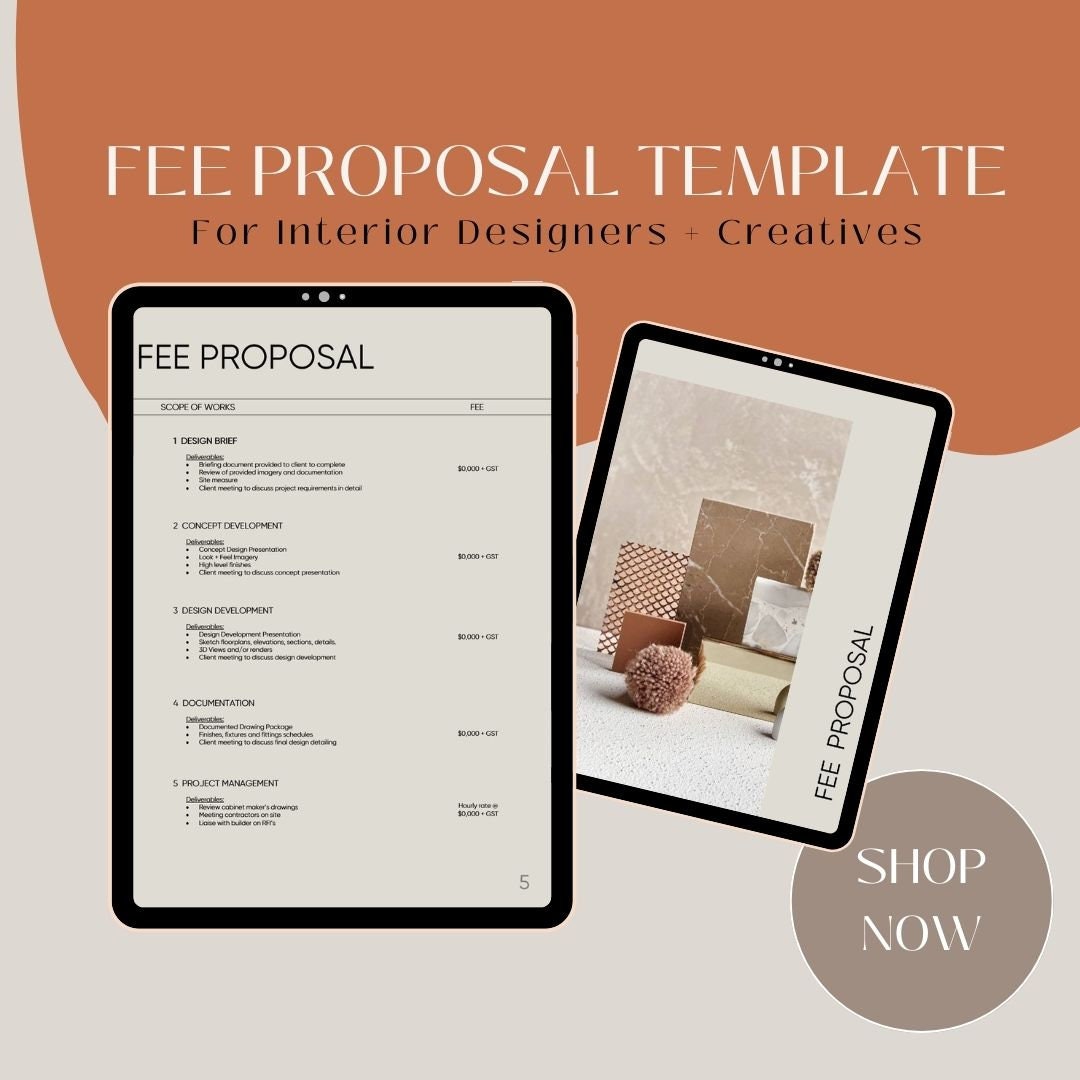
Start with a compelling project overview that reiterates the client’s vision and your understanding of their needs. This demonstrates that you’ve listened intently and are aligned with their goals. Following this, a detailed scope of work is crucial. This section breaks down all the specific tasks you will undertake, from initial consultations and concept development to material selection, procurement, and project management. Be as precise as possible to avoid ambiguity.
Next, you’ll delve into the fee structure and payment terms. This is where you outline how you charge (e.g., hourly, flat fee, percentage of project cost) and provide a clear breakdown of costs. Don’t forget to include:
- Your design fees
- Estimated costs for materials and furnishings
- Any third-party consultant fees (e.g., architects, contractors)
- Reimbursable expenses (travel, printing, etc.)
Equally important are the payment schedule and terms. Specify when payments are due (e.g., deposit, milestone payments, final payment), acceptable payment methods, and any late payment policies. Transparency here builds trust and prevents future financial misunderstandings.
Remember to include your terms and conditions, which cover intellectual property rights, revisions policy, project timelines, and responsibilities of both parties. A clear statement on exclusions (what is *not* included) can also be incredibly helpful. Finally, end with a clear call to action, outlining the next steps for the client to proceed, such as signing the proposal and submitting the initial deposit. This comprehensive approach ensures your interior design fee proposal template is not just a quote, but a strategic business tool.
Developing a robust fee proposal is more than just good business practice; it’s an act of professional generosity. By providing such a clear and detailed document, you empower your clients with all the information they need to make an informed decision, fostering a relationship built on transparency and mutual respect from the very first interaction. It allows you to showcase your expertise not just in design, but in project management and client care too.
Ultimately, your fee proposal is a reflection of your commitment to excellence in every facet of your design business. It’s the foundational document that transforms a promising lead into a successful, revenue-generating project. Invest the time to perfect this essential tool, and watch as it consistently helps you secure desired projects, manage expectations seamlessly, and build an enviable reputation for professionalism and quality within the interior design industry.