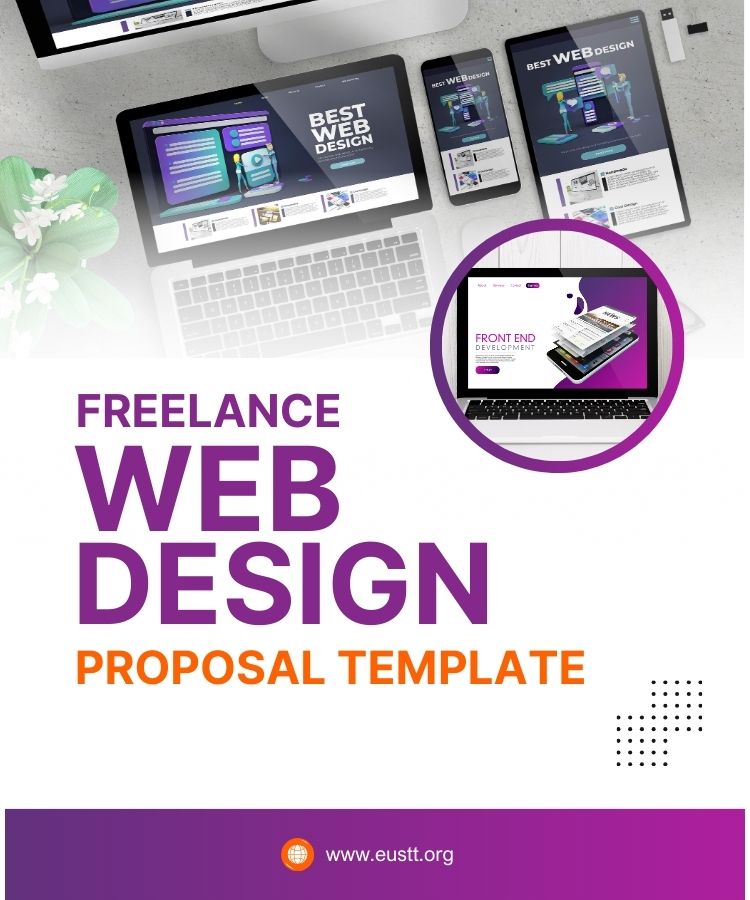
Ever feel like you’re doing fantastic web design work, but getting new clients to say “yes” is a constant uphill battle? It’s a common challenge for many freelancers. You might have the skills, the portfolio, and the passion, but without a compelling way to present your value, landing those dream projects can be tough. That’s where a well-crafted freelance web design proposal template comes in, transforming your pitches from hopeful inquiries into confident, client-winning documents.
A great proposal isn’t just a price list or a summary of services. It’s a strategic communication tool that demonstrates your understanding of the client’s needs, showcases your expertise, and outlines a clear path to their success. It builds trust before the first line of code is even written, establishing you as a professional partner rather than just another vendor.
This article will guide you through the essential components of an effective web design proposal, helping you create a framework that can be easily customized for each unique client. By the end, you’ll have a clear idea of how to structure your proposals to not only impress potential clients but also to streamline your own sales process, allowing you more time to do what you love: designing incredible websites.
What Makes a Winning Web Design Proposal?
A winning web design proposal goes beyond simply listing your services and prices; it tells a story, a story where the client is the hero and you are the trusted guide helping them achieve their goals. It demonstrates empathy, expertise, and clarity, making it easy for the client to say “yes.” The core purpose is to solve a problem for the client, and your proposal should clearly articulate how you are uniquely positioned to do just that. It’s about showcasing value, not just cost.
The Essential Sections
Every effective proposal typically includes several key sections, each serving a distinct purpose in guiding the client through your offering and building their confidence in your abilities.
Start with an executive summary or introduction that quickly hooks the reader. This isn’t the place for an exhaustive list, but rather a concise overview that reiterates their challenge and briefly presents your solution. Think of it as the trailer for your main feature, designed to make them want to read more. It sets the tone and provides a snapshot of the value you’re bringing to the table.
Following the introduction, you need to clearly demonstrate that you’ve listened and understood their specific needs. This section should reflect their pain points, their current situation, and their desired outcomes, using language they recognize. It shows you’re not just sending a generic pitch but have taken the time to truly grasp their unique business context and objectives. This empathy is crucial for building rapport and trust.
Next, dive into your proposed solution and strategy. This is where you outline how you plan to address their challenges and achieve their goals. Describe the specific web design elements, functionalities, and technologies you’ll employ. Explain your design philosophy and how it aligns with their brand and target audience. Be specific about the features and benefits, explaining why your approach is the best fit for their particular situation. This part of the proposal should clearly articulate your vision for their project.
No proposal is complete without a transparent breakdown of pricing and deliverables. Clearly itemize the services included, what each stage entails, and the associated costs. Avoid jargon where possible and ensure the pricing structure is easy to understand. Discuss payment terms, deposits, and any other financial considerations upfront. Clarity here prevents misunderstandings down the line and builds confidence in your professionalism.
Finally, set clear expectations with a timeline and milestones. Outline the project phases, estimated durations for each stage, and key checkpoints. This gives the client a roadmap of what to expect and when, demonstrating your organizational skills and commitment to timely delivery. A well-defined timeline shows you have a structured approach and a clear plan for bringing their vision to life efficiently. Conclude with a clear call to action, making it simple for the client to take the next step and formally accept your proposal.
Customizing Your Proposal for Different Clients
While having a solid freelance web design proposal template is incredibly efficient, the magic truly happens when you customize it for each individual client. A generic, one-size-fits-all approach rarely resonates as strongly as a proposal that speaks directly to their unique business needs, goals, and even their industry specific language. Taking the time to tailor your template shows genuine interest and a deeper level of professionalism that sets you apart from the competition.
Before you even start writing, thoroughly research your potential client. Understand their business model, their target audience, their competitors, and critically, their current online presence. What are their challenges? What opportunities might they be missing? Use this information to frame your solutions in a way that directly addresses their specific context. For instance, a proposal for an e-commerce store will focus on conversion rates and user experience, while one for a local service business might emphasize lead generation and local SEO.
Personalizing your proposal extends beyond just swapping out names. It involves weaving in specific examples, case studies, or even direct quotes that relate to their industry or similar projects you’ve done. Adjust the tone to match their brand – a corporate client might appreciate a more formal approach, while a startup might respond better to a more energetic and innovative style.
Consider customizing the following elements:
* The executive summary to highlight their specific pain points.
* Project goals and objectives to align directly with their stated aspirations.
* Proposed solutions and features to include specific functionalities relevant to their business.
* Case studies and testimonials from clients in similar industries.
* Your call to action to reference a specific next step, like a follow-up call.
A truly personalized proposal demonstrates that you’re not just selling a service; you’re offering a bespoke solution crafted to help them succeed. This level of attention to detail often leads to higher conversion rates and stronger client relationships from the outset.
Crafting a compelling proposal is more than just a formality; it’s a critical sales tool that can significantly impact your freelance web design business. By focusing on clarity, value, and client-centric communication, you can transform your pitches into powerful instruments for growth. Remember that each proposal is an opportunity to not only win a project but also to establish yourself as a trusted and indispensable partner in your client’s success.
Embracing a systematic approach to your proposals, utilizing a refined template, and consistently tailoring it to individual client needs will undoubtedly lead to a healthier pipeline of exciting projects. The effort you invest in perfecting your proposal process will pay dividends, allowing you to secure more of the rewarding web design work you truly desire.