The traditional 9-to-5 workday has seen its fair share of challenges and transformations in recent years. As companies and employees alike navigate a rapidly evolving professional landscape, the call for greater flexibility and work-life integration has grown louder. Modern workplaces are increasingly recognizing that rigid schedules aren’t always the most efficient or human-centric way to operate, opening doors for innovative approaches to how and when work gets done.
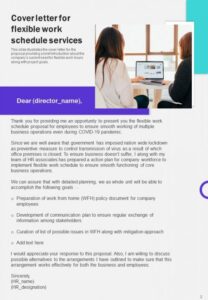
If you’re an employee looking to optimize your work-life balance, enhance productivity, or simply adapt to personal circumstances, proposing an alternative schedule might be your next best step. To make a compelling case to your employer, having a well-structured and persuasive document is essential. This is where an effective alternative work schedule proposal template comes in, providing a roadmap to present your ideas clearly and professionally.
Such a proposal isn’t just about personal convenience; it’s an opportunity to demonstrate how a modified schedule can benefit the company too. From increased employee morale and reduced burnout to improved retention and even enhanced productivity, a thoughtfully crafted proposal can unlock a win-win situation for everyone involved. It’s about presenting a solution, not just a request.

Crafting a Winning Alternative Work Schedule Proposal
Creating a proposal that stands out and gets approved requires more than just outlining your desired hours. It demands careful consideration of your role, your team, and the company’s overall operations. Think of it as building a business case for a new way of working, showing how your proposed schedule aligns with, or even enhances, organizational goals.
Before you even begin writing, do your homework. Research your company’s existing policies on flexible work. Understand your team’s workflow and identify potential impacts or, better yet, improvements your schedule might bring. Consider the specific nature of your job responsibilities and how they can be effectively managed under an alternative arrangement. The more prepared you are with data and thoughtful solutions, the stronger your proposal will be.
Understanding Your Options
There are several types of alternative work schedules you might consider, each with its own structure and benefits. Knowing these options will help you choose the best fit for your situation and your company.
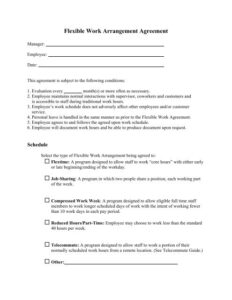
- Compressed Workweek: Working a full-time schedule in fewer than five days, for example, four 10-hour days.
- Flextime: Allowing employees to vary their arrival and departure times around a set core of working hours.
- Job Sharing: Two part-time employees sharing the responsibilities of one full-time position.
- Telecommuting or Remote Work: Performing work duties from a location other than the traditional office, often from home.
- Staggered Hours: Different start and end times for employees to ensure coverage during extended operating hours or to ease commute times.
Once you’ve chosen the type of schedule that makes the most sense for you, tailor it precisely to your job. How will your specific tasks be completed? How will communication with your team and clients be maintained? Your proposal should proactively address these logistical questions, demonstrating foresight and responsibility.
Structuring Your Proposal
A well-organized alternative work schedule proposal template provides clarity and professionalism. Here are key sections to include to ensure your message is comprehensive and persuasive:
- Clear Introduction and Request: State your proposed schedule and the specific date you’d like it to begin.
- Proposed Schedule Details: Outline the exact hours, days, and location (if remote) of your new schedule.
- Benefits for the Company: This is crucial. Detail how your new schedule will positively impact productivity, cost savings, employee morale, or client service.
- Addressing Potential Concerns: Anticipate objections and provide solutions. How will you handle meetings, urgent requests, or coverage gaps?
- Measuring Success: Suggest metrics or a review period to evaluate the effectiveness of the new arrangement.
- Trial Period Suggestion: Propose a temporary trial period, say 3-6 months, to demonstrate its viability with minimal risk.
- Professional Closing: Reiterate your commitment to your job and the company’s success.
Remember, the goal is to present a comprehensive plan that mitigates risks for your employer while highlighting the advantages of your proposed change. A strong alternative work schedule proposal template isn’t just a wish list; it’s a strategic document designed for mutual benefit.
Tips for Presenting Your Alternative Work Schedule Proposal
Beyond the written document, how you present your proposal can significantly influence its reception. Approaching the conversation with confidence, professionalism, and a problem-solving mindset is key. Don’t just hand over the document; be prepared to discuss it thoughtfully.
Schedule a dedicated meeting with your manager or the appropriate decision-maker. During this discussion, emphasize your commitment to your work and how the new schedule will allow you to perform even better. Be ready to answer questions, elaborate on your proposed solutions for potential challenges, and highlight the benefits you’ve outlined for the company. Focus on how this change supports business objectives, not just personal preference.
- Anticipate Questions: Think about what concerns your manager might have and prepare clear, concise answers.
- Highlight Benefits for Management: Emphasize how this benefits them, such as improved team efficiency or reduced employee turnover.
- Be Flexible: While you have a proposal, be open to negotiation and compromise. Showing flexibility can increase your chances of approval.
- Maintain Professionalism: Throughout the discussion, remain positive and professional, regardless of the feedback you receive.
Your attitude during the presentation is as important as the content of your proposal. Show that you have thoroughly thought through the implications and are committed to making the alternative schedule a success for both yourself and the organization. This proactive and mature approach often leaves a lasting positive impression.
Embracing flexible work arrangements is becoming less of an exception and more of a norm in forward-thinking organizations. When employees feel trusted and empowered to manage their schedules, it often leads to higher engagement, reduced stress, and ultimately, greater overall productivity. It’s a testament to a company’s commitment to employee well-being and modern work practices.
By investing the time to create a detailed and persuasive proposal, you’re not just asking for a change; you’re demonstrating your value and proactive contribution to a more effective workplace. Taking this initiative can open doors to a work-life balance that truly works for you, while simultaneously enhancing your professional contribution.