Embarking on a community development project is a truly noble endeavor, aiming to bring positive, lasting change to neighborhoods and groups who need it most. However, turning a fantastic idea into a tangible project that secures funding and support requires more than just passion; it demands a clear, persuasive plan. This is where a well-structured community development project proposal template becomes an invaluable asset, guiding you through the critical elements needed to articulate your vision effectively to potential funders and stakeholders. It’s about transforming a heartfelt concept into a compelling case for action.
Many organizations and individuals often find themselves overwhelmed by the task of writing a comprehensive proposal. The sheer volume of information to include, coupled with the need to present it in a professional and impactful way, can be daunting. Without a solid framework, proposals can become disjointed, miss crucial details, or fail to adequately convey the project’s potential and necessity.
That’s why leveraging a template isn’t about stifling creativity; it’s about empowering it. A good template provides a roadmap, ensuring all essential components are addressed in a logical flow, making your proposal easier to read, understand, and ultimately, approve. It allows you to focus your energy on the unique aspects of your project, knowing that the structural heavy lifting has been taken care of.
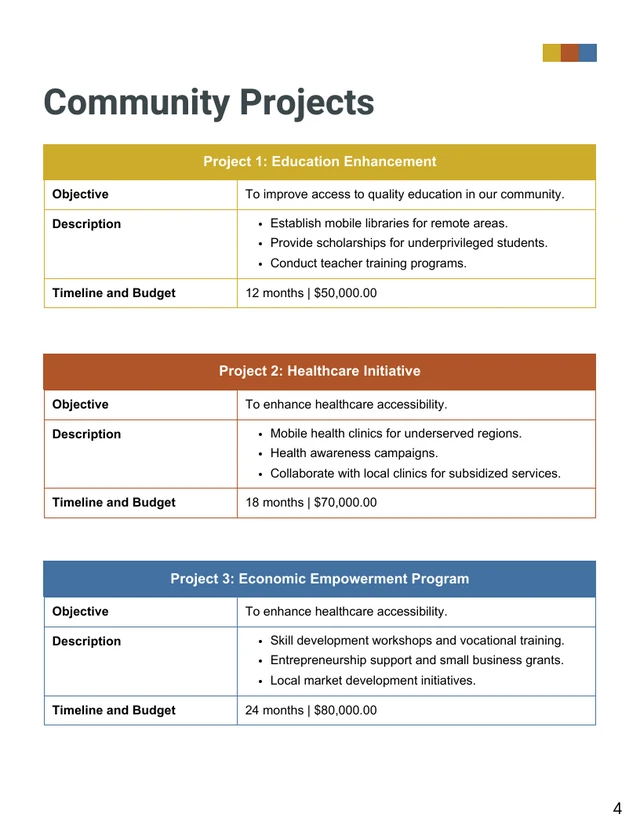
Crafting a Winning Proposal: Essential Sections to Include
When you set out to write a project proposal, think of it as telling a story – a story of need, a story of hope, and a story of actionable solutions. Each section of your proposal plays a vital role in narrating this story, building a coherent and convincing argument for why your project deserves investment and support. The template helps you ensure no critical chapter is left unwritten.
Executive Summary
This is arguably the most crucial part of your proposal, even though it appears first. It’s a concise overview of your entire project, often no more than one page. It should hook the reader immediately by summarizing the problem your project addresses, your proposed solution, the expected outcomes, and the total budget requested. Imagine someone only reads this section; would they understand the core of your project and be compelled to learn more? It needs to stand alone as a powerful snapshot of your vision and impact.
Introduction and Background
Here, you delve deeper into the context of your project. This section introduces the specific community or population you aim to serve, detailing the challenges and needs that your project seeks to alleviate. Provide compelling data, statistics, and anecdotal evidence to paint a clear picture of the current situation. Why is this project necessary now? What existing issues will it tackle? Establishing a strong foundation of need is paramount to justifying your proposed interventions.
Project Goals and Objectives
Clarity is key here. Your goals are broad statements of what you hope to achieve, while objectives are specific, measurable, achievable, relevant, and time-bound (SMART) steps that contribute to those goals. For instance, a goal might be to “improve educational outcomes,” while an objective could be “to increase the literacy rate among children aged 6-10 in ABC village by 20% within 18 months.” These concrete objectives demonstrate that you have a well-thought-out plan for success and a clear way to measure it.
Methodology and Activities
This section outlines the “how.” How will you achieve your objectives? Detail the specific activities, strategies, and interventions your project will undertake. Describe the sequence of these activities, the resources required, and the timeline for their implementation. Be as specific as possible, outlining the steps involved, who will be responsible, and what outputs are expected from each activity. This shows a practical and feasible approach to your project’s execution.
Budget and Resource Allocation
Funders want to see a clear and justified breakdown of how their money will be used. Provide a detailed line-item budget that includes all anticipated expenses, such as personnel costs, materials, equipment, travel, administration, and any other operational costs. Be transparent and realistic, demonstrating that you have carefully considered all financial aspects. It’s also wise to mention any in-kind contributions or other funding sources that demonstrate a broader base of support and commitment.
Monitoring and Evaluation
How will you know if your project is successful? This section describes your plan for tracking progress and assessing impact. Outline the indicators you will use to measure achievement of your objectives, the data collection methods, and how frequently you will monitor activities. Explain how you will evaluate the overall effectiveness of your project and what processes are in place to adapt and learn from challenges. This commitment to accountability reassures funders that their investment will be managed effectively.
Tips for a Compelling Proposal and Common Pitfalls to Avoid
Beyond simply filling out a community development project proposal template, making your proposal truly stand out requires strategic thinking and attention to detail. Remember, your proposal is not just a document; it is a representation of your organization’s capability and commitment. It needs to convey passion, professionalism, and a profound understanding of the community you aim to serve.
One vital tip is to know your audience. Tailor your language, emphasis, and even the format to match the specific requirements and interests of the potential funder. Some funders prioritize innovative approaches, while others focus on direct, measurable impact. Researching their past funded projects and mission statements can provide invaluable insight. Crafting your narrative to align with their priorities significantly increases your chances of success. Furthermore, always ensure that your proposal tells a cohesive story that flows logically from problem to solution, demonstrating a deep connection to the community and a clear vision for positive change.
Another common pitfall is the lack of clarity and conciseness. Proposals that are overly verbose, jargon-filled, or poorly organized can quickly lose the reader’s attention. Use clear, accessible language, and get straight to the point. While providing sufficient detail is important, avoid unnecessary fluff. Focus on quantifiable data and concrete examples to support your claims. Proofreading meticulously for grammar, spelling, and factual errors is also non-negotiable; even minor mistakes can undermine your credibility.
A strong proposal consistently highlights the tangible benefits and sustainability of your project. Funders are not just interested in the immediate outcomes but also in the long-term impact and how the project will continue to benefit the community even after initial funding concludes. Will local capacity be built? Are there plans for ongoing funding? Addressing these questions demonstrates foresight and a lasting commitment to the community’s well-being.
Ultimately, a well-crafted proposal, guided by a robust template, serves as your advocate, making the case for your project’s significance and potential to transform lives. It provides the structured foundation upon which your vision for community betterment can confidently stand, allowing your passion and dedication to shine through in every section. The effort you invest in developing a strong proposal directly translates into a greater likelihood of achieving the positive change you aspire to bring about in the world.