Landing your dream graphic design projects often hinges on more than just stunning portfolio pieces; it requires a compelling pitch that clearly communicates your value and understanding of the client’s needs. Many talented freelancers overlook the power of a well-crafted proposal, instead relying on informal emails or quick quotes. This can unfortunately lead to missed opportunities and a perception of unprofessionalism, even if your design skills are top-notch.
That’s where a solid proposal comes into play, acting as your professional advocate when you can’t be there in person. It’s your chance to outline the project, your approach, and what makes you the perfect fit. For many in the creative industry, having a reliable freelance graphic design proposal template is an absolute game-changer, streamlining a crucial part of the client acquisition process.
This article will guide you through the essential components of an effective proposal and offer tips to ensure your bids stand out in a competitive market. By refining your proposal strategy, you’re not just sending a document; you’re presenting a professional, organized, and confident image that clients will remember.
Crafting a Winning Graphic Design Proposal: Essential Elements
A truly effective graphic design proposal isn’t just a price list; it’s a strategic document designed to educate, persuade, and ultimately convert a prospect into a paying client. It should anticipate their questions, address their concerns, and clearly articulate the value you bring to their project. Think of it as a comprehensive roadmap for how you’ll solve their problem through your design expertise.
Understanding the Brief and Project Overview
The first crucial step is to demonstrate that you genuinely understand the client’s problem and vision. This section isn’t about you; it’s about them. Reiterate their project goals in your own words, showing you’ve actively listened and absorbed their requirements. This confirms you’re on the same page and builds immediate trust. Without this alignment, the rest of your proposal might miss the mark entirely.
Here’s what to include:
- A brief summary of the client’s company and current challenge.
- Their primary objectives for the graphic design project.
- Any specific project requirements or pain points they’ve mentioned.
Scope of Work and Deliverables
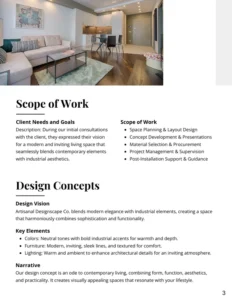
This is where you detail exactly what you will be doing for the client. Be precise and avoid ambiguity. Clearly define the tasks, phases, and specific items you will deliver. This section sets expectations and helps prevent scope creep later on. If the client asked for a logo, specify how many concepts, revisions, and file types they will receive.
Typical deliverables might include:
- Initial concept designs and mood boards.
- Number of design revisions per concept.
- Final approved design files (e.g., vector, raster, print-ready PDFs).
- Brand guidelines or style guides, if applicable.
- Project management and client communication.
Project Timeline and Milestones
Clients appreciate transparency regarding timelines. Break down the project into clear phases with estimated completion dates. This shows your organizational skills and helps the client understand the progression of their project. Be realistic with your estimates, always accounting for potential delays or revision rounds. It’s often better to underpromise and overdeliver on timing.
Include key milestones such as:
- Discovery and research phase start and end dates.
- Initial concept presentation date.
- Revision rounds and feedback deadlines.
- Final design delivery date.
Clearly state that the timeline is dependent on timely client feedback and material provision.
Investment and Payment Terms
Clearly outline your fees for the project. Whether you charge a flat rate, an hourly rate, or package deals, ensure it’s easy to understand. Itemize costs if necessary, especially for larger projects with multiple components. Transparency here builds confidence and avoids awkward conversations later. Always provide clear payment terms, including deposit requirements, payment schedule, and accepted payment methods.
Consider including:
- Total project fee or breakdown of services.
- Required upfront deposit percentage (e.g., 50%).
- Payment schedule (e.g., milestones, monthly, final on completion).
- Payment methods (e.g., bank transfer, PayPal, credit card).
- Late payment penalties, if applicable.
Call to Action and Next Steps
Don’t leave the client wondering what to do next. Clearly state the next steps they need to take to move forward. This could be scheduling a follow-up call, signing the proposal, or making the initial deposit. A clear call to action removes friction and makes it easier for them to say yes. Reinforce your excitement about the potential partnership and express your readiness to start.
Tips for Making Your Proposal Stand Out
Beyond the standard components, how you present your proposal can significantly impact its success. In a crowded freelance market, simply having the right information isn’t always enough; you need to make your proposal memorable and reflect your creative talent. This means paying attention to details that elevate your document from a mere formality to a compelling sales tool.
Firstly, personalize every proposal. While a freelance graphic design proposal template provides a great starting point, never send a generic document. Tailor the language, examples, and even the visual design of the proposal to specifically address the client’s unique needs and brand. Show them you’ve done your homework and that you’re genuinely invested in their specific project, not just sending out mass emails. This level of personalization often makes the difference between being just another applicant and being seen as a dedicated solution provider.
Secondly, infuse your brand and professionalism into the document’s design itself. As a graphic designer, your proposal is a direct reflection of your aesthetic capabilities. Use your brand colors, fonts, and a clean, professional layout. Incorporate relevant visuals, such as snippets from your portfolio or mock-ups that demonstrate your understanding of their brand style. Proofread meticulously for any typos or grammatical errors – these can undermine your credibility faster than anything else.
Consider these tips:
- Include relevant case studies or testimonials that align with the client’s industry or project type.
- Offer a brief “Why Choose Me” section highlighting your unique selling propositions.
- Keep the language clear, concise, and benefit-oriented, focusing on what the client gains.
- End with a warm, professional closing that invites further discussion.
Following up professionally after sending your proposal is also key. A polite email or call a few days later can prompt action and demonstrate your continued interest without being overly pushy.
Ultimately, a strong graphic design proposal does more than just secure a project; it lays the foundation for a successful client relationship built on clear communication and mutual understanding. By consistently presenting well-crafted, professional proposals, you not only win more projects but also attract the right kind of clients who value your expertise and structured approach. This consistent effort reinforces your professionalism and expertise, positioning you as a reliable and sought-after creative partner for the long term.