Understanding how an individual communicates in their daily life goes far beyond simply listening to the words they use. It’s about grasping the intricate ways they express needs, share ideas, interact socially, and comprehend the world around them. This holistic view, known as a functional communication profile, helps professionals truly assess a person’s communication abilities in real-world contexts, providing insights that are invaluable for intervention and support.
However, gathering this comprehensive data is just the first step. The real challenge often lies in organizing these observations, assessment results, and client or caregiver interviews into a cohesive, professional, and easily understandable document. Without a clear structure, even the most thorough assessment can lose its impact, making it difficult for other professionals, family members, or educators to fully grasp the client’s communication strengths and areas for growth.
This is precisely where a well-designed functional communication profile report template becomes an indispensable tool for speech-language pathologists, special educators, occupational therapists, and other related professionals. Such a template not only streamlines the report writing process but also ensures that every crucial aspect of a client’s functional communication is documented clearly and effectively, serving as a powerful guide for future planning and intervention.
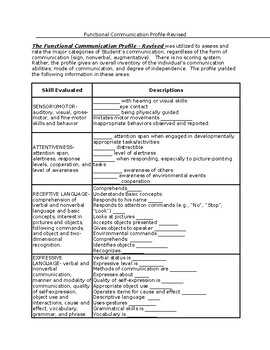
Deconstructing the Functional Communication Profile: Why a Template Matters
A Functional Communication Profile (FCP) moves beyond traditional standardized tests to explore how a person uses their communication skills in natural, everyday situations. It assesses not just what they can say or understand, but how they use these abilities to participate meaningfully in their environment. This includes observing their interactions at home, school, work, or in the community, and understanding their communication patterns, strengths, and challenges across various contexts. It encompasses verbal and non-verbal communication, social pragmatics, and the impact of cognitive-linguistic skills on functional use.
The goal is to paint a complete picture of an individual’s communicative competence. This involves looking at a range of areas such as requesting items or activities, protesting, greeting, expressing feelings, providing and seeking information, engaging in conversation, and understanding complex instructions. Professionals also consider factors like communication partners, environmental demands, and the effectiveness of current communication strategies. It’s a deeply personalized assessment that highlights an individual’s unique communicative landscape.
Given the depth and breadth of information collected for an FCP, compiling it all into a coherent report can be daunting. This is why a standardized template is not just convenient; it’s essential. A robust template acts as a systematic guide, ensuring that all relevant data points are captured, organized logically, and presented in a consistent format. It transforms raw observations and data into a clear, actionable document, saving valuable professional time and improving the quality of the final report.
Key Sections in an Effective Template
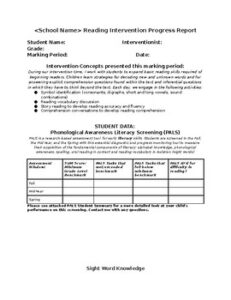
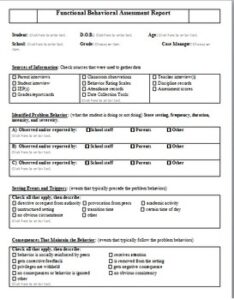
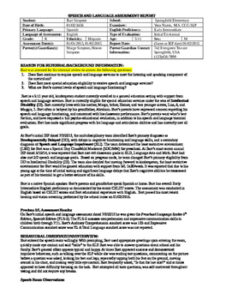
An ideal functional communication profile report template typically includes several critical sections designed to provide a comprehensive overview. These often start with basic client demographics, background information (e.g., medical history, developmental milestones), and a description of the assessment methods used, including observations, interviews, and any formal or informal tools.
The core of the template then dives into specific areas of functional communication, which might be itemized as:
- Receptive Communication: How well the individual understands spoken or signed language, instructions, and social cues in daily contexts.
- Expressive Communication: How effectively they convey messages, needs, and ideas using verbal or non-verbal means.
- Pragmatic/Social Communication: Their ability to use communication appropriately in social situations, including turn-taking, topic maintenance, and understanding non-literal language.
- Cognitive-Linguistic Skills: How memory, attention, problem-solving, and executive functions impact their communication.
- Speech Production/Fluency/Voice: Assessment of articulation, intonation, and vocal quality as they relate to functional intelligibility.
- Assistive Technology/Augmentative and Alternative Communication (AAC): Current or potential use of communication aids.
- Environmental Factors: Analysis of how the environment supports or hinders communication.
Finally, a crucial section outlines a summary of the client’s strengths, identified areas for growth, and clear, measurable recommendations and goals. A good template guides the report writer to formulate objectives that are specific, achievable, and directly address the functional communication challenges identified, providing a clear roadmap for intervention.
Benefits of Utilizing a Standardized Report Template
The adoption of a standardized report template brings a multitude of advantages to professionals working in communication assessment and intervention. Perhaps the most immediate and appreciated benefit is the significant increase in efficiency. Instead of starting each report from scratch, or spending precious time on formatting and organizing, clinicians can focus their energy on interpreting data and crafting individualized insights. This not only speeds up the writing process but also reduces the cognitive load, allowing for more thoughtful and thorough analysis.
Beyond time savings, a standardized template ensures a high level of consistency and professionalism across all reports produced. When all reports follow a similar structure and include essential sections, they become much easier for other professionals, family members, or insurance providers to read, understand, and act upon. This uniformity fosters better collaboration among interdisciplinary teams, as everyone knows exactly where to find the information they need, promoting a shared understanding of the client’s communication profile and intervention plan.
Furthermore, a well-structured template inherently supports best practices in documentation and accountability. It acts as a checklist, reminding the professional to cover all critical domains of communication and to include necessary data points, thereby minimizing the risk of overlooking important information. This comprehensive approach is vital for tracking progress over time, justifying interventions, and ensuring that the services provided are evidence-based and client-centered, ultimately leading to more impactful and effective outcomes.
The journey of understanding and supporting an individual’s communication is complex and multifaceted. A well-designed functional communication profile report template transforms this intricate assessment into a clear, organized, and actionable document. It empowers professionals to articulate their findings with precision, making crucial insights accessible to all stakeholders involved in a client’s care.
By streamlining the reporting process and ensuring comprehensive coverage of all communication domains, these templates contribute significantly to better intervention planning and more focused goal setting. Ultimately, leveraging such a template enhances professional practice, fosters collaborative care, and most importantly, improves the quality of life and communication effectiveness for the individuals we serve.