In the competitive world of contracting, standing out from the crowd and securing new projects often comes down to more than just your skills with a hammer or a paintbrush. It is about how you present yourself and your proposed work to potential clients. That is where a robust home repair and improvement proposal template becomes your indispensable secret weapon, transforming vague discussions into clear, actionable agreements that win bids and build trust.
Think about it from a homeowner’s perspective. They are often juggling multiple quotes, trying to compare different contractors, and understand exactly what they are getting for their investment. A professional, well-structured proposal not only answers their questions but anticipates them, showing your attention to detail and commitment to clarity from the outset. It is the first step in building a positive client relationship.
This guide will walk you through the essential components of an effective proposal template, ensuring you are equipped to craft compelling documents that not only outline your work but also convey your professionalism and reliability. By streamlining your proposal process, you will save time, reduce misunderstandings, and significantly increase your chances of landing those coveted home improvement jobs.
What Makes an Effective Home Repair and Improvement Proposal Template Truly Shine
An effective home repair and improvement proposal template is far more than just a price sheet. It is a comprehensive document that serves as a professional handshake, a detailed agreement, and a roadmap for the project ahead. Its primary goal is to clearly communicate what services you will provide, how much they will cost, and what the client can expect throughout the process, all while instilling confidence in your abilities.
The best templates are designed to be both thorough and easy to understand. They strike a balance between providing all necessary information and avoiding overwhelming jargon. When a homeowner receives your proposal, they should be able to quickly grasp the scope of work, the financial commitment, and the timeline, feeling reassured that they are in capable hands.
Essential Sections to Include
Every strong proposal should contain several key sections that address the core aspects of any home repair or improvement project. Missing even one of these can lead to confusion or, worse, lost opportunities.
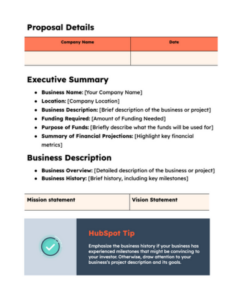
First and foremost, you need clear client and project details. This includes the client’s name and contact information, the project address, and a concise title for the project itself. This ensures everyone is on the same page about who the proposal is for and what work it covers from the very beginning.
Next comes the critical scope of work. This is where you lay out, in detail, exactly what you will be doing. Be specific. List materials to be used, phases of the project, and any agreed-upon specifications. For example, instead of just saying “bathroom renovation,” specify “demolition of old fixtures, installation of new vanity and toilet, tiling of shower enclosure with ceramic tiles.” Clarity here prevents future disputes and sets realistic expectations.
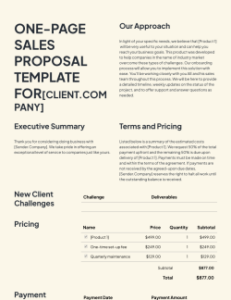
Following the scope, you must present a transparent pricing and payment schedule. Break down costs clearly, itemizing materials, labor, and any subcontractors’ fees. State your total price, preferred payment methods, deposit requirements, progress payment milestones, and the final payment terms. Leave no room for ambiguity regarding money matters.
Furthermore, a comprehensive terms and conditions section is non-negotiable. This protects both you and the client. Include details on warranties for work performed, liability clauses, procedures for change orders (what happens if the client wants something different mid-project), project timelines, and dispute resolution mechanisms. This foresight demonstrates your professionalism and commitment to a fair working relationship.
Finally, every proposal needs a clear call to action and a signature block. This indicates how the client can accept the proposal (e.g., “Sign below to accept terms and authorize work”) and provides designated spaces for both your signature and the client’s signature, along with the date. This legalizes the document and formalizes the agreement.
Tips for Customizing and Using Your Proposal Template
Having a robust template is an excellent starting point, but its true power lies in your ability to customize it for each unique project and client. While the core structure remains consistent, the content should always be tailored to fit the specific needs and nuances of the job at hand. This personal touch shows clients that you are not just running through the motions but genuinely understand their particular vision and requirements.
Customizing your template means more than just filling in blanks. It involves speaking directly to the client’s concerns, incorporating details from your initial discussions, and reflecting their specific preferences for materials or finishes. A generic proposal, no matter how well-structured, can feel impersonal, whereas a personalized one demonstrates attention and care, making the client feel heard and valued.
Consider these best practices when preparing and presenting your proposals:
- Always proofread thoroughly for any typos or grammatical errors. A flawless document reflects your professional standards.
- Present your proposal in a clean, organized manner. Whether digital or printed, ensure it is easy to read and aesthetically pleasing.
- Be prepared to walk the client through the proposal, answering any questions they may have. This interactive discussion can clarify points and build rapport.
- Follow up in a timely and professional manner after submitting the proposal, but avoid being overly persistent. A gentle reminder shows continued interest without being aggressive.
By meticulously crafting your home repair and improvement proposal template and then thoughtfully customizing it for each potential client, you are not just providing a quote; you are presenting a compelling argument for why you are the best contractor for their project. This strategic approach elevates your business, builds client confidence, and ultimately drives your success in a competitive market. Taking the time to perfect this crucial document will undoubtedly pay dividends, streamlining your operations and ensuring you consistently win the projects that matter most to you.