Remember that moment when your teacher announced a new book report assignment? For many of us, it often brought a mix of excitement for a new book and a slight tremor of dread about how to actually write a comprehensive report. It’s a common feeling, trying to gather all your thoughts, favorite quotes, and character insights into one cohesive piece.
Book reports aren’t just busywork; they’re fantastic tools for helping you dive deeper into a story, understand its underlying messages, and articulate your own interpretation. They encourage critical thinking, improve your writing skills, and give you a chance to share your reading experience with others. But sometimes, knowing where to start or what to include can feel a bit overwhelming.
That’s where having a clear, easy-to-follow structure can make all the difference. Instead of staring at a blank page, a solid template provides a roadmap, guiding you through the essential elements of a great report. Let’s explore how a well-designed junior high book report template can transform a daunting task into an enjoyable opportunity to showcase your understanding and creativity.
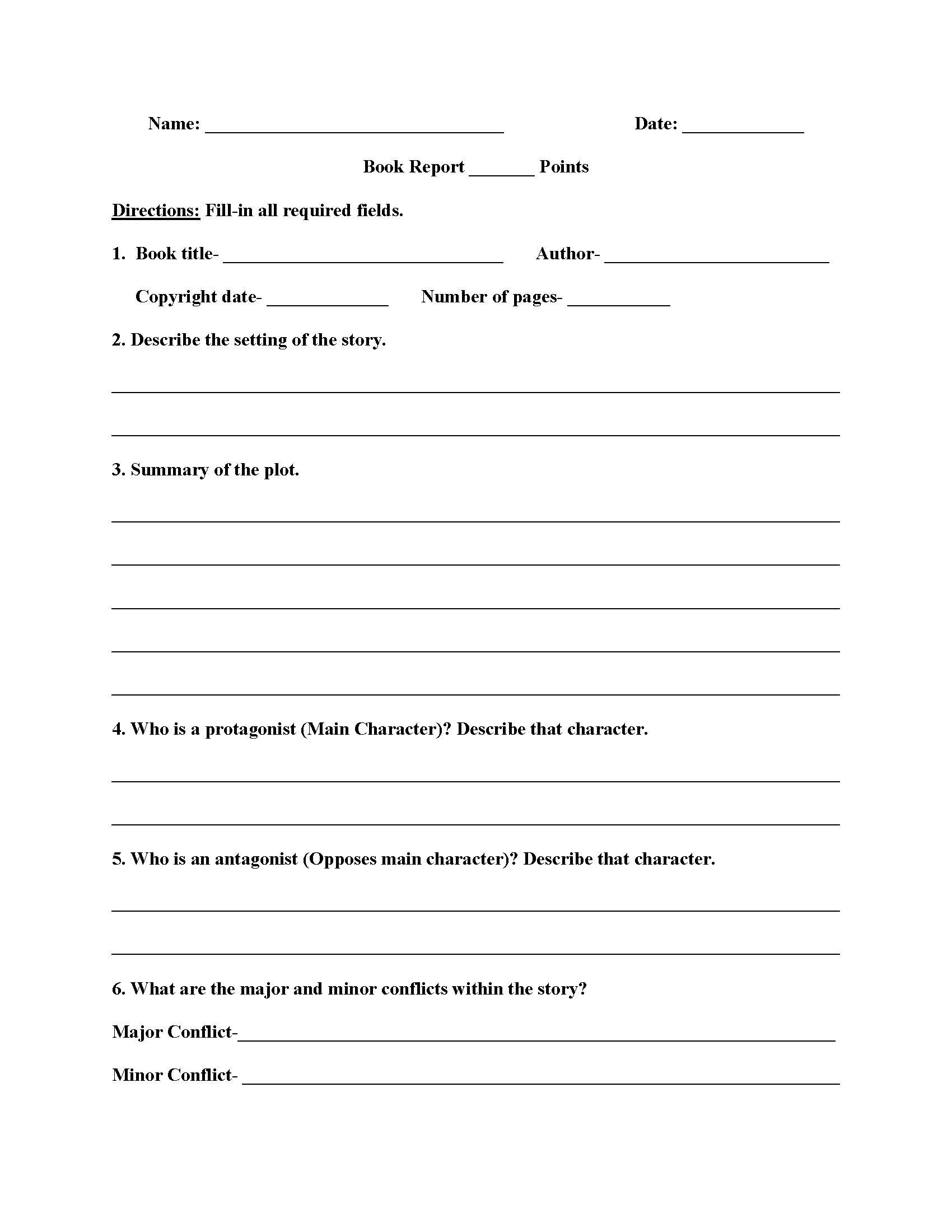
Crafting Your Awesome Book Report: A Step-by-Step Guide
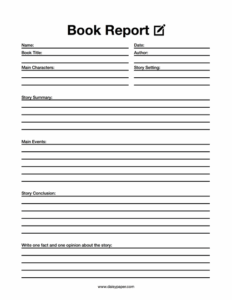
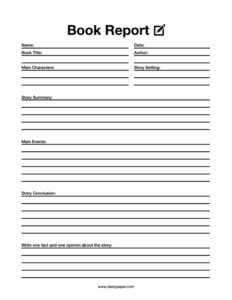
Writing a compelling book report is all about organization and presenting your ideas clearly. Having a structured approach ensures you cover all the important aspects of the book without missing a beat, making your report both informative and engaging for anyone who reads it. Think of this as your blueprint for success, helping you build a strong foundation for your analysis.
The Essentials: Getting Started
Before you even begin writing your summary or analysis, you need to lay out the basic information about the book. This section provides immediate context for your reader and shows that you’ve got all the fundamental details down. It’s like the title card for a movie; it tells you what you’re about to experience.
- Book Title
- Author
- Genre (e.g., Fantasy, Historical Fiction, Biography)
- Publication Date (When was the book first released?)
- Number of Pages
Plot Summary: What Happened?
This is where you give your reader a concise overview of the story. The key here is to summarize the main events without giving away all the surprises. Focus on the setting, the main characters, the central conflict, and how the story generally progresses towards its climax and resolution. Aim for enough detail to inform, but not so much that you spoil the fun for someone who hasn’t read it yet.
Character Spotlight: Who Are They?
Characters are the heart of any story, so dedicating a section to them is crucial. Choose one or two main characters and discuss their personalities, motivations, and how they change throughout the book. What challenges do they face, and how do they overcome them? Do they have any distinguishing traits or quirks? Exploring these aspects shows a deeper understanding of the narrative and its impact.
- Main Characters and their roles in the story
- Key traits, motivations, and internal struggles
- How do they evolve or change from beginning to end?
- Their relationships with other characters
Themes and Big Ideas: Beyond the Story
Every great book carries deeper messages or lessons. This section is where you explore the central themes. Is the book about friendship, courage, loss, identity, or justice? How does the author convey these ideas through the plot and characters? Thinking about the themes helps you connect the story to bigger concepts and real-world issues.
Your Take: Personal Connection and Recommendation
Finally, bring in your own voice! What did you think of the book? Did it make you feel a certain way? What was your favorite part, or what confused you? This is your chance to share your personal reaction and give an honest recommendation. Would you suggest it to others, and if so, who? Following a clear junior high book report template like this ensures you cover all the bases while still letting your unique perspective shine through.
Polishing Your Prose: Tips for Success
Writing a book report isn’t just about filling in the blanks; it’s about presenting your ideas in the best possible light. Even with a fantastic template, a few simple strategies can elevate your report from good to truly great. These tips will help you not only meet the requirements but also impress your teacher with your thoughtful approach and clear writing.
First, remember that the report begins long before you put pen to paper (or fingers to keyboard!). As you read the book, engage with it actively. Highlight interesting passages, jot down notes about characters, plot points, and themes that stand out to you. Keeping a reading journal or sticky notes can be incredibly helpful for remembering key details and forming your opinions, making the actual writing process much smoother.
Once you’re ready to write, don’t try to draft the entire report in one go. Start by creating a rough outline using your notes and the template’s structure. Then, tackle each section individually. Focus on getting your thoughts down first, without worrying too much about perfection. After you have a full draft, step away from it for a little while, then come back with fresh eyes to revise and refine your work.
Finally, proofreading is your best friend. Read through your report carefully, checking for any grammar mistakes, spelling errors, or awkward sentences. Reading it aloud can often help you catch errors you might otherwise miss. A clean, error-free report demonstrates your attention to detail and respect for your work.
- Start early to avoid last-minute stress.
- Read actively and highlight important passages.
- Create an outline before writing your first draft.
- Write in your own voice – make it sound like you!
- Always proofread for grammar and spelling errors.
- Ask a friend or family member to read it over.
Ultimately, a book report is more than just an assignment; it’s an opportunity to deeply engage with literature and express your own insights. By utilizing a structured approach and incorporating thoughtful analysis, you can transform what might seem like a daunting task into a rewarding experience.
Presenting a well-organized and articulate report not only helps you achieve a good grade but also strengthens your analytical and writing capabilities, skills that will serve you well in all your future academic endeavors. Embrace the chance to explore new worlds through books, and confidently share your journey with a report that truly reflects your understanding.