Embarking on a public health initiative is a noble endeavor, driven by a passion to improve community well-being. However, translating that passion into a tangible, funded project often requires a well-articulated plan. That’s where a robust public health project proposal template becomes indispensable. It’s more than just a document; it’s your blueprint for change, a structured narrative that convinces stakeholders your vision is not only viable but vital.
Think of it as telling a compelling story about a problem and its solution. You’re not just asking for resources; you’re presenting a clear pathway to healthier communities. A well-structured proposal ensures that every critical detail, from the problem you’re addressing to the impact you hope to achieve, is presented logically and persuasively. It helps you organize your thoughts, refine your strategy, and communicate your project’s value effectively to potential funders and partners.
This guide will walk you through the essential components of a powerful proposal, helping you lay the groundwork for a successful public health project. By following a clear template, you’ll be better equipped to articulate your goals, outline your methodology, and ultimately secure the support needed to bring your health initiatives to life.
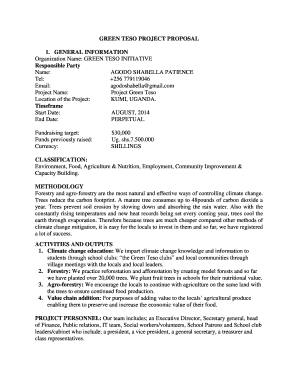
The Core Elements of an Effective Public Health Proposal
Crafting a strong public health proposal is like building a house; you need a solid foundation and a clear architectural plan. Each section serves a specific purpose, contributing to the overall strength and clarity of your argument. Skipping steps or presenting information haphazardly can weaken your proposal’s impact and make it harder for reviewers to understand your vision. Let’s explore the key components that form the backbone of a compelling project proposal.
Executive Summary
This is often the first, and sometimes only, section a busy reviewer will read in detail. It needs to be a concise, compelling overview of your entire project. Imagine it as an elevator pitch for your proposal: state the problem, your proposed solution, expected outcomes, and the resources needed, all within a single page or even a few paragraphs. It should hook the reader and make them eager to learn more about your initiative.
Introduction and Problem Statement
Here, you set the stage for your project. Start with a broad overview of the public health challenge you intend to address, then narrow it down to the specific context of your target community or population. Provide compelling data and evidence to demonstrate the magnitude and urgency of the problem. Why is this issue important? Who is affected? What are the current gaps in addressing it? This section is critical for establishing the relevance and necessity of your project.
Goals and Objectives
Clearly define what your project aims to achieve. A “goal” is a broad statement of intent, while “objectives” are specific, measurable, achievable, relevant, and time-bound (SMART) steps that contribute to reaching that goal. For example, a goal might be “To reduce the incidence of childhood obesity in Smithville,” while an objective could be “By December 2024, 70% of participating children will increase their daily physical activity by 30 minutes, as measured by self-reported logs.” This section tells funders exactly what outcomes they can expect from their investment.
Methodology and Activities
This is the “how-to” section. Describe in detail the specific strategies, interventions, and activities you will implement to achieve your objectives. Who will carry out these activities? What resources will be used? What is the timeline? Be as clear and practical as possible, outlining the step-by-step process of your project. Whether it’s workshops, surveys, community outreach, or clinical interventions, explain precisely how your activities will lead to the desired changes.
Evaluation Plan
How will you know if your project is successful? This section outlines your plan for monitoring progress and measuring impact. Describe the indicators you will use to track your objectives, the data collection methods, and how you will analyze the results. An effective evaluation plan demonstrates accountability and allows for adjustments during the project’s lifespan, ensuring continuous improvement and verifiable results.
Budget and Sustainability
Present a detailed, itemized budget that clearly shows how all requested funds will be utilized. Justify each expense, linking it directly to project activities. Beyond the initial funding, consider the long-term viability of your project. How will the benefits be sustained after the initial funding period ends? Will there be partnerships, community buy-in, or opportunities for future funding to ensure the project’s legacy?
Tips for Crafting a Winning Proposal
Beyond the structure, the way you present your information can significantly influence a reviewer’s perception. A well-written, thoughtful proposal stands out in a pile of applications. It’s not just about what you say, but how you say it, ensuring clarity, engagement, and a compelling narrative that resonates with the reader.
Always tailor your proposal to the specific funding agency or organization you are approaching. Read their guidelines thoroughly, understand their mission, and align your project’s objectives with their priorities. Generic proposals rarely succeed; a customized approach demonstrates your understanding of their interests and increases your chances of securing support. Show them why your project is the perfect fit for their funding goals.
Use clear, concise language and avoid jargon where possible. Remember that your proposal might be reviewed by individuals with varying levels of expertise, so ensure your message is accessible and easy to understand. Furthermore, storytelling can be a powerful tool; weave in anecdotes or real-world examples (while maintaining confidentiality) to illustrate the human impact of the problem you’re addressing and the positive change your project will bring.
Finally, dedicate ample time to reviewing and refining your document. Proofread meticulously for any grammatical errors, typos, or inconsistencies. Consider asking a colleague or mentor to review it for clarity, coherence, and persuasiveness. Fresh eyes can catch mistakes you might have overlooked and offer valuable feedback to strengthen your proposal.
- Proofread everything carefully for grammar and spelling.
- Ensure all sections flow logically from one to the next.
- Seek feedback from others before submission.
- Double-check that you’ve adhered to all funder guidelines.
- Clearly articulate the unique value proposition of your project.
Creating a detailed public health project proposal template is more than just a bureaucratic hurdle; it’s an opportunity to thoroughly plan, refine, and communicate your vision for a healthier community. It transforms abstract ideas into concrete strategies, making your aspirations tangible and actionable for both your team and potential supporters.
By investing time and effort into developing a comprehensive and persuasive proposal, you significantly increase your chances of securing the necessary resources. This structured approach not only helps you secure funding but also provides a clear roadmap for project implementation, ensuring that your public health initiatives are well-conceived, effectively executed, and ultimately, successful in making a real difference.