We’ve all been there: something goes wrong, a process breaks down, or a customer issue arises, and the immediate reaction is often to fix the problem as quickly as possible. While swift action is commendable, it often only addresses the symptoms, leaving the underlying issues to resurface time and again. This “band-aid” approach, though tempting in the short term, can lead to recurring problems, wasted resources, and mounting frustration within your team and among your clients.
To truly prevent problems from recurring, a deeper dive is necessary. This is where root cause analysis (RCA) comes into play. RCA is a systematic process for identifying the fundamental reasons for an incident or deviation, rather than just dealing with the observable symptoms. It’s about asking “why” repeatedly until you uncover the foundational cause that, if removed or corrected, would prevent the problem from happening again.
However, simply doing an RCA isn’t enough. The insights gained need to be documented, communicated, and acted upon effectively. This is precisely why a well-structured root cause analysis report template becomes an indispensable tool. It provides a clear framework to capture your findings, present them logically, and ensure that the corrective and preventive actions are clearly defined and followed through, transforming reactive problem-solving into proactive improvement.

Understanding the Core Elements of a Root Cause Analysis Report Template
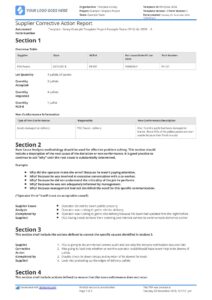
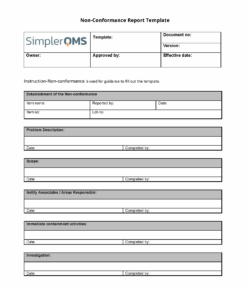
A robust root cause analysis report template isn’t just a blank document; it’s a guided framework designed to ensure comprehensive investigation and clear communication. It helps you organize your thoughts, present data coherently, and make a compelling case for the necessary changes. Without such a structure, critical information can be missed, or the report might lack the clarity needed to drive effective action. Let’s break down the key sections you’d typically find in an effective template.
Imagine you’re presenting your findings to a busy executive or a cross-functional team. They need to quickly grasp the problem, understand how it was investigated, see the true root causes, and know what needs to be done. A good template anticipates these needs, ensuring every crucial piece of information is present and easy to find. It moves beyond just a description of the problem to a detailed roadmap for resolution and prevention.
Executive Summary
This is your report’s elevator pitch. It provides a concise overview of the entire analysis, including the problem, the identified root causes, and the main recommendations. It’s designed for stakeholders who need to quickly understand the gist without delving into every detail. Think of it as the most important summary you’ll write.
Problem Description
Here, you detail the incident or deviation that triggered the RCA. This section should be objective and factual, laying out exactly what happened, when, where, and its immediate impact. Clarity here is paramount, as it sets the stage for the entire investigation.
- What happened? (The event itself)
- When did it happen? (Date, time, duration)
- Where did it happen? (Location, specific system/process)
- Who was involved or affected? (Personnel, customers, departments)
- What was the immediate impact or consequence? (Losses, delays, quality issues)
- How often does this issue occur, or what is its frequency?
Investigation Methodology
This section outlines the approach and tools used to conduct the root cause analysis. It demonstrates the rigor and objectivity of your investigation, building confidence in your findings. Be specific about the techniques employed.
- 5 Whys Analysis
- Fishbone Diagram (Ishikawa Diagram)
- Fault Tree Analysis (FTA)
- Failure Mode and Effects Analysis (FMEA)
- Pareto Analysis
- Data collection methods (interviews, observation, document review)
Root Causes Identified
This is the heart of your report, presenting the fundamental, underlying causes discovered through your investigation. It’s crucial to support each identified root cause with evidence and explain the logical link between the cause and the problem. Avoid simply listing symptoms here; focus on the true origins.
Recommended Corrective and Preventive Actions
Once root causes are identified, this section details the specific actions proposed to eliminate or mitigate them. Corrective actions address the current problem, while preventive actions aim to stop similar issues from occurring in the future. Each action should be actionable, measurable, and have a clear owner and timeline.
- Specific Action: Clearly define what needs to be done.
- Owner: Assign responsibility to an individual or team.
- Timeline: Provide a realistic deadline for completion.
- Expected Outcome: Describe the anticipated impact of the action.
- Verification Method: How will you confirm the action was effective?
Conclusion and Follow-up
This final section summarizes the key findings and the overall impact of the RCA. It also outlines the plan for monitoring the effectiveness of the implemented actions and schedules for follow-up reviews. It ensures that the effort put into the analysis translates into lasting improvements.
Why a Standardized Root Cause Analysis Report Template Matters
Implementing a standardized root cause analysis report template across your organization offers far more than just a neat document; it fosters a culture of continuous improvement and proactive problem-solving. Consistency in reporting means that every team member, regardless of their department or specific incident, approaches problem investigation with the same rigor and structure. This uniformity eliminates confusion, streamlines the reporting process, and ensures that all critical information is consistently captured.
Furthermore, a standardized template significantly improves communication and collaboration. When everyone uses the same format, it becomes much easier for different teams or departments to understand each other’s reports, share learnings, and collaborate on solutions, especially for complex issues that might cross organizational boundaries. It reduces the time spent deciphering various reporting styles and allows focus to remain on the content and the actions required. This consistency is invaluable for internal audits, regulatory compliance, and demonstrating a commitment to quality and safety.
Ultimately, a well-defined root cause analysis report template transforms individual investigations into a collective knowledge base. It provides a historical record of problems and their solutions, allowing organizations to learn from past mistakes, identify recurring issues that might point to systemic weaknesses, and develop more effective long-term strategies. It shifts the paradigm from merely reacting to problems to actively preventing them, driving sustained operational excellence and fostering an environment where continuous learning and improvement are the norm.
By leveraging a structured template for your root cause analysis, your organization gains a powerful tool not just for documenting issues, but for driving genuine, lasting change. It moves teams beyond superficial fixes to address the very core of problems, ensuring that the time and resources invested in investigation lead to tangible improvements and prevent recurrence. This systematic approach transforms challenges into opportunities for growth and strengthens overall operational resilience.
Embracing a clear and comprehensive reporting framework for your root cause analysis empowers your teams to identify, understand, and resolve complex issues with greater efficiency and effectiveness. It’s an investment in clarity, accountability, and the long-term health of your processes, ultimately contributing to a more robust and responsive operational environment that is better equipped to handle future challenges and continuously improve its performance.