So, you have a groundbreaking idea or a startup that is ready to scale, and you are eyeing venture capital to fuel your growth. Crafting a compelling pitch is crucial, and that often starts with a robust venture capital investment proposal template. This document isn’t just a formality; it is your opportunity to tell your story, showcase your vision, and convince potential investors that your venture is the next big thing they should put their money behind. Think of it as your business’s resume and cover letter combined, specifically tailored for the high-stakes world of venture capital.
Venture capitalists are constantly sifting through countless proposals, looking for those rare gems that promise significant returns and disrupt industries. They are not just buying into an idea; they are investing in your team, your market understanding, your execution plan, and your ability to scale. Your proposal needs to address all these points clearly, concisely, and persuasively, demonstrating a deep understanding of your business and the landscape it operates within.
This article will guide you through the essential components of an effective investment proposal, helping you structure your thoughts and present your venture in the best possible light. We will explore what VCs truly look for and how you can tailor your message to resonate with their investment criteria, ensuring your proposal stands out from the crowd and opens the door to further discussions.
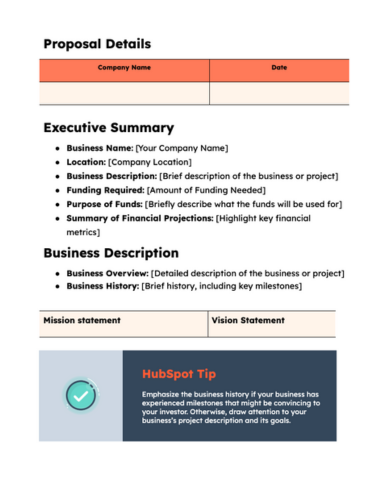
Crafting Your Winning Venture Capital Proposal
Building a venture capital investment proposal that truly shines requires meticulous attention to detail and a strategic approach to storytelling. It is not just about listing facts and figures; it is about constructing a narrative that captivates and convinces. Every section plays a vital role in painting a complete picture of your opportunity.
Start with a powerful Executive Summary. This is arguably the most critical part of your entire proposal, as it is often the first and sometimes only section a busy VC reads in detail. It needs to encapsulate your entire business proposition in a concise, engaging manner, highlighting the problem you solve, your solution, market opportunity, team, traction, and financial ask. Aim for clarity and impact, making the investor eager to dive into the rest of the document.
Next, articulate the Problem and Solution with precision. Clearly define the pain point you are addressing in the market and how your product or service provides a unique and effective solution. Investors want to see that you understand the problem deeply and that your solution offers genuine value, differentiating itself from existing alternatives.
Then, delve into the Market Opportunity. Describe the size and growth potential of your target market. Demonstrate your understanding of market trends, customer segments, and how you plan to capture a significant share. Use data and credible sources to back up your claims, showing that there is a substantial addressable market for your innovation.
Detail your Product or Service comprehensively. Explain its features, benefits, and underlying technology. Crucially, focus on how it solves the customer’s problem and creates value. Visual aids or mock-ups can be incredibly effective here, helping investors visualize what you are building.
Outline your Business Model. How do you make money? What are your revenue streams, pricing strategy, and cost structure? Investors need to understand the economic viability of your venture and how it will generate profit and returns. Be realistic and transparent about your assumptions.
Showcase your Traction and Milestones. What have you achieved so far? This could include product development progress, user acquisition, revenue figures, partnerships, or successful pilot programs. Concrete achievements demonstrate your ability to execute and reduce perceived risk for investors.
Introduce your Team. Venture capitalists invest in people as much as ideas. Highlight the experience, expertise, and passion of your core team members. Explain why your team is uniquely positioned to execute the vision and overcome challenges, emphasizing complementary skill sets.
Present your Financial Projections. Provide realistic and well-substantiated forecasts for revenue, expenses, and profitability over the next three to five years. Explain the key assumptions behind your numbers and demonstrate a clear path to profitability and scalability.
Finally, clarify your Funding Request and Use of Funds. State precisely how much capital you are seeking and how you plan to deploy it. Be specific about how these funds will enable you to reach critical milestones and achieve your next growth phase. An explicit exit strategy, whether through acquisition or IPO, should also be briefly touched upon, demonstrating a clear path for investors to realize their returns. A comprehensive venture capital investment proposal template covers these elements to provide investors with a complete picture.
Key Considerations for Pitching to VCs
Beyond the written proposal, your approach to pitching and engaging with venture capitalists significantly impacts your chances of securing funding. It is about building relationships and effectively communicating your vision in person, complementing the detailed information within your proposal document.
Firstly, remember that investors are human and appreciate a compelling story. While your proposal provides the data, your pitch is where you bring that data to life with passion and conviction. Practice telling your company’s story in a way that is engaging, memorable, and highlights the “why” behind your venture. Be prepared to answer tough questions and show that you have thought through potential challenges and how to overcome them.
Understanding the specific venture capital firm and its investment thesis is also paramount. Each VC firm has its own focus areas, preferred stages, and investment criteria. Research their portfolio companies, their partners’ backgrounds, and recent investments to tailor your pitch and emphasize aspects of your business that align with their interests. This personalization shows respect for their time and demonstrates that you have done your homework.
Finally, professionalism and follow-up are key. Ensure your presentation is polished, your financials are accurate, and you can articulate every aspect of your business confidently. After the pitch, a timely and thoughtful follow-up email, perhaps reiterating key points or providing additional requested information, can leave a lasting positive impression. These interactions build trust and keep your venture top of mind as they consider their investment decisions.
Navigating the venture capital landscape requires a blend of rigorous preparation and authentic communication. By meticulously structuring your venture capital investment proposal template and mastering your pitch, you significantly increase your odds of attracting the right investors and securing the capital needed to transform your startup dreams into a thriving reality. Your proposal is not just a document; it is a testament to your hard work, vision, and readiness to make a real impact.