The world of work is constantly evolving, and for many, the idea of ditching the daily commute for the comfort and efficiency of a home office has become a highly attractive prospect. However, simply asking to work remotely isn’t always enough. To truly convince your employer, you need a well-researched, professional, and compelling case, which is exactly where a strong working from home proposal template comes in handy. It’s about presenting a clear vision that benefits both you and the company.
Working from home isn’t just about personal convenience; it often translates to tangible benefits for employers too, like increased productivity due to fewer distractions, reduced overhead costs, and access to a wider talent pool. For employees, it offers greater work-life balance, reduced stress, and more control over their working environment. It’s a win-win when implemented thoughtfully and strategically.
Crafting a proposal that highlights these mutual benefits, addresses potential concerns, and outlines a clear plan can significantly improve your chances of getting the green light. This guide will walk you through the essential components of a winning proposal, helping you lay out your case in a professional and persuasive manner.
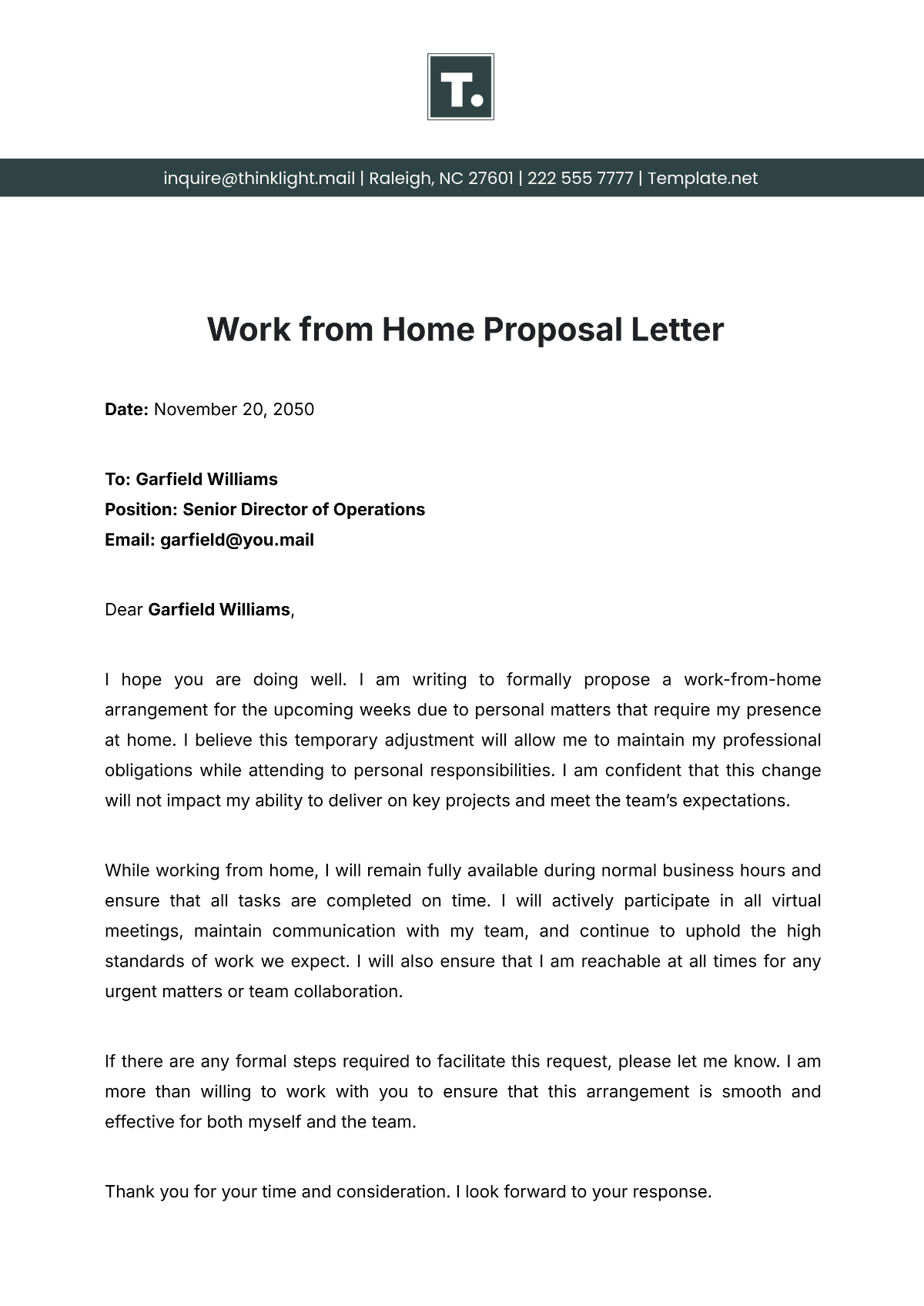
Crafting Your Winning Working From Home Proposal
Building a compelling argument for working remotely requires more than just expressing a desire for flexibility. It involves understanding your employer’s perspective, anticipating their concerns, and presenting a solution that clearly demonstrates how your productivity and contribution will remain high, or even improve, outside the traditional office setting. Think of it as a business case for a new operational strategy.
Understanding Your Company’s Culture
Before you even begin writing, take a moment to consider your company’s existing culture and policies around remote work. Are there others already working from home? Is the company generally open to flexible arrangements, or is it a more traditional environment? Tailoring your proposal to align with, or gently challenge, these existing norms will make it far more effective. A cookie-cutter approach rarely works; personalization is key.
Outlining Your Work Plan
This is perhaps the most crucial section. Clearly define how you will manage your responsibilities, what your proposed work schedule will look like, and how you will ensure you are available and responsive during core business hours. Detail your daily tasks and projects, explaining how they can be effectively performed remotely. Consistency and reliability are paramount here, so be specific about your commitments.
Addressing Concerns Proactively
Employers often have reservations about remote work, such as potential communication breakdowns, difficulty in monitoring performance, and data security issues. Your proposal should anticipate these concerns and offer concrete solutions. How will you maintain seamless communication with your team and manager? What tools will you use? How will your performance be measured? Demonstrate that you’ve thought through these challenges and have strategies in place to mitigate them.
Highlighting the Benefits for Your Employer
While the benefits for you are clear, focus heavily on what your employer stands to gain. Will working from home improve your focus on specific projects? Could it lead to greater availability for clients in different time zones? Perhaps it reduces the company’s need for office space or contributes to employee retention. Frame your request as a strategic move that benefits the entire organization, not just your personal circumstances.
Suggesting a Pilot Period and Review
A great way to reduce employer apprehension is to propose a trial period, say three to six months, during which both parties can evaluate the success of the remote work arrangement. This shows your willingness to be flexible and accountable. Include a plan for regular check-ins and a formal review at the end of the pilot to discuss what worked well and what might need adjusting.
Professional Presentation
Finally, ensure your proposal is well-written, clear, concise, and professional. Use a positive and confident tone. Proofread it meticulously for any grammatical errors or typos. A polished presentation reflects your attention to detail and seriousness about the proposal, making a strong impression on your manager or human resources department.
Key Elements to Include in Your Proposal
When putting together your proposal, think of it as a comprehensive document that leaves no stone unturned. Each section should build a strong case, demonstrating your preparedness and commitment to success in a remote environment. It’s about providing all the necessary details upfront to alleviate any potential concerns.
Your proposal should ideally begin with a brief introduction stating your request and the purpose of the document. Then, move into outlining the specifics of your plan. This structure ensures that your manager can quickly grasp the essence of your request and then delve into the details.
Here are some essential components to consider including:
- Proposed Schedule: Clearly define your working hours, including your availability during core business hours.
- Communication Plan: Detail how you will stay connected with your team and manager (e.g., daily check-ins, instant messaging, video calls, email).
- Technology Setup: List the equipment you will use (laptop, internet, phone) and how you will ensure a secure and reliable connection.
- Performance Metrics: Outline how your productivity and contributions will be measured, aligning with existing company goals.
- Emergency Contact Plan: Provide details on how you can be reached in urgent situations.
- Data Security Protocols: Explain how you will protect company data and maintain confidentiality while working remotely.
- Impact on Team/Clients: Discuss how your remote work will affect colleagues and clients, and how you plan to manage those relationships.
By meticulously including these elements in your working from home proposal template, you present a comprehensive and thoughtful argument. It demonstrates that you’ve considered the practicalities and potential challenges, showing a high level of professionalism and dedication to your role, regardless of your physical location.
Crafting a well-structured and persuasive proposal is a powerful first step towards embracing a more flexible and often more productive way of working. It’s about showcasing your commitment not just to your personal preferences, but to the continued success and growth of your organization. With a solid plan in hand, you’re not just asking for a favor; you’re presenting a strategic advantage.
Embracing the future of work involves proactive planning and clear communication. By investing time and effort into developing a thorough remote work proposal, you demonstrate your value as an adaptable and forward-thinking employee. This paves the way for a work arrangement that could unlock new levels of efficiency and satisfaction for everyone involved.