In the fast-paced world of manufacturing, staying on top of daily operations is not just good practice—it’s essential for survival and growth. Manufacturers constantly seek ways to optimize processes, reduce waste, and improve output. A robust system for tracking daily performance is critical to achieving these goals.
This is where a well-designed manufacturing daily production report template becomes an indispensable tool. It provides a snapshot of your shop floor’s activities, highlighting successes and pinpointing areas for improvement. Understanding how to effectively utilize and customize such a report can significantly impact your operational efficiency.
This article will explore the profound benefits of implementing a standardized production reporting system. We will delve into its key components, discuss how it empowers decision-making, and even provide a sample manufacturing daily production report template to guide your efforts. Prepare to unlock greater control over your production line.
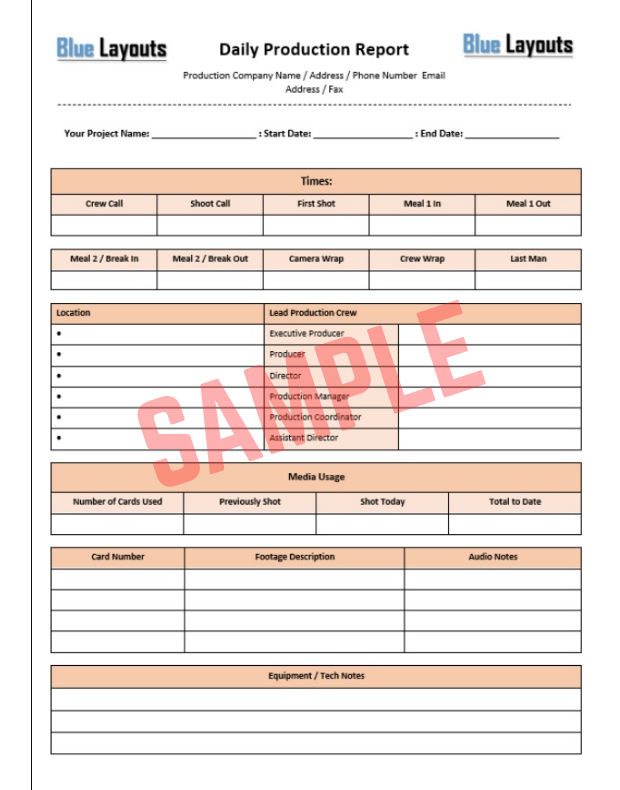
Maximizing Efficiency with Daily Production Tracking
Daily production tracking offers manufacturers a clear lens into their operations, transforming raw data into actionable insights. By consistently monitoring key metrics, businesses can proactively address issues before they escalate, maintaining smooth workflows. This vigilance is crucial for meeting production targets and customer demands.
An effective daily production report helps identify trends, evaluate resource utilization, and ensure quality standards are met. It serves as a communication bridge between different departments, fostering a collaborative environment. With this focused approach, companies can significantly boost their overall productivity and competitiveness.
Real-Time Performance Monitoring
Real-time performance monitoring is a cornerstone of modern manufacturing excellence. A daily production report template facilitates this by capturing data throughout the day, providing an up-to-the-minute overview of production status. This allows managers to react swiftly to changes or unexpected events on the shop floor.
For instance, if a specific machine experiences a slowdown, the report will flag it immediately, enabling maintenance teams to intervene promptly. Such immediate feedback prevents minor issues from becoming major bottlenecks, minimizing costly downtime. This constant oversight ensures operations remain on schedule and targets are consistently met.
Identifying and Resolving Bottlenecks
One of the most significant advantages of a comprehensive production report is its ability to highlight bottlenecks within the manufacturing process. By tracking output at each stage, supervisors can easily spot areas where production slows down or stalls. This visual representation of flow helps to pinpoint the root causes of inefficiency.
For example, if a specific workstation consistently underperforms compared to others, the daily report will bring this discrepancy to light. With this clear data, management can then investigate whether it’s a personnel issue, a machine malfunction, or a process flaw. Addressing these bottlenecks directly leads to improved throughput and reduced lead times.
Empowering Data-Driven Decisions
The insights derived from a manufacturing daily production report template empower leaders to make informed, data-driven decisions. Instead of relying on guesswork or anecdotal evidence, managers can base their strategic choices on concrete performance metrics. This scientific approach to management leads to more effective process improvements.
By analyzing historical daily reports, companies can identify long-term trends, forecast future needs, and optimize resource allocation. For instance, data might reveal that a particular shift is consistently more productive, prompting a review of best practices across other shifts. This continuous improvement cycle is vital for sustained growth and efficiency.
Crafting Your Essential Manufacturing Daily Production Report
Designing an effective daily production report requires careful consideration of the data points most relevant to your operations. A well-structured template should be easy to fill out, clear to understand, and provide a holistic view of the day’s activities. The goal is to capture critical information without overwhelming staff with unnecessary details.
The report acts as a vital communication tool, summarizing the day’s progress for various stakeholders, from machine operators to executive management. Thoughtful design ensures that everyone can quickly glean the insights they need. This systematic approach to reporting streamlines information flow across the organization.
Core Data Fields for Comprehensive Reporting
A robust manufacturing daily production report template must include several core data fields to provide a comprehensive overview. These fields typically cover identification, output, and basic operational details. Clearly defined fields make data entry consistent and accurate.
- Date and Shift Information: Essential for tracking daily and shift-specific performance.
- Production Line/Workstation: Identifies where production occurred.
- Product/Part Number: Specifies what was produced.
- Planned Production Quantity: The target output for the period.
- Actual Production Quantity: The number of units successfully produced.
- Reject/Scrap Quantity: Units that failed quality checks or were wasted.
- Variance (Actual vs. Planned): The difference, indicating over or underproduction.
- Operator/Team Name: Assigns accountability and tracks individual or team performance.
These core elements lay the foundation for a useful report, enabling quick assessments of production targets. Capturing this data daily ensures a consistent stream of information for analysis.
Incorporating Quality and Downtime Metrics
Beyond simple output numbers, an effective manufacturing daily production report template also integrates critical quality and downtime metrics. These provide deeper insights into the health of your production process and highlight areas needing immediate attention. Understanding why production varies is as important as knowing the variance itself.
Consider including:
- Downtime Reasons: Categorize and quantify time lost due to machine breakdowns, material shortages, or changeovers. This helps prioritize maintenance and supply chain improvements.
- Quality Issues: Note specific defects, their frequency, and the likely causes. This data is invaluable for continuous quality improvement initiatives.
- First Pass Yield: The percentage of products that pass inspection on the first attempt. This is a powerful indicator of process stability.
Tracking these aspects provides a holistic view of operational efficiency, moving beyond mere quantity to encompass quality and reliability. Regular analysis of this data drives significant improvements in manufacturing processes.
Customizing for Specific Production Lines
While a general manufacturing daily production report template provides a solid starting point, true effectiveness comes from customization. Each production line or facility may have unique processes, machines, and critical performance indicators. Tailoring the report ensures it captures the most relevant data for specific operations.
For example, a chemical processing plant might prioritize batch integrity and temperature readings, while an assembly line might focus on cycle times for specific components. Consider adding fields for raw material consumption, specific machine parameters, or energy usage if these are critical to your particular manufacturing environment. Customization ensures the report is a powerful, relevant tool for everyone involved.
Sample Manufacturing Daily Production Report Template
To help visualize these concepts, here is a simplified sample format for a manufacturing daily production report template. This structure provides a clear, scannable overview for quick understanding. Remember that you can expand or modify sections to fit your specific operational needs.
| Field Category | Specific Metric/Field | Notes/Example Data |
|---|---|---|
| General Information | Date | YYYY-MM-DD (e.g., 2023-10-27) |
| Shift | Day, Evening, Night (e.g., Day) | |
| Production Line | Line 1, Assembly A, Mixing Tank 3 (e.g., Assembly Line 2) | |
| Supervisor/Team Lead | (e.g., Jane Doe) | |
| Production Output | Product/Part Number | (e.g., P-1005X) |
| Product Description | (e.g., Widget A – Blue) | |
| Planned Quantity | (e.g., 500 units) | |
| Actual Produced Quantity | (e.g., 485 units) | |
| Variance (Actual – Planned) | (e.g., -15 units) | |
| Scrap/Rejected Quantity | (e.g., 10 units) | |
| Good Quantity (Actual – Scrap) | (e.g., 475 units) | |
| Downtime Tracking | Total Downtime (minutes) | (e.g., 45 minutes) |
| Downtime Reason 1 | Machine Breakdown (20 mins) | |
| Downtime Reason 2 | Material Shortage (15 mins) | |
| Downtime Reason 3 | Changeover (10 mins) | |
| Quality Control | Number of Defects Found | (e.g., 8) |
| Defect Type 1 | Surface Scratches (5 units) | |
| Defect Type 2 | Missing Component (3 units) | |
| Comments/Notes | Shift Notes | Brief summary of issues, successes, or anything unusual. (e.g., “Experienced minor machine stoppage, resolved by maintenance. New operator training in progress.”) |
This structured approach ensures that all critical aspects of the day’s production are documented clearly. Regularly filling out and reviewing this type of report allows for proactive management and continuous improvement. It provides a solid foundation for understanding daily operational performance and making informed decisions.
Implementing a standardized manufacturing daily production report template is a powerful step towards operational excellence and continuous improvement. It provides the necessary transparency to track performance, identify inefficiencies, and make timely adjustments. By embracing data-driven insights, manufacturers can optimize resource utilization, reduce waste, and consistently meet their production goals, leading to greater profitability and customer satisfaction.
Begin refining your production reporting process today. Utilize the insights and sample template provided to tailor a solution that fits your unique manufacturing environment. The investment in a robust daily production tracking system will undoubtedly yield significant returns, paving the way for a more efficient and productive future.