Navigating the complexities of the healthcare system often highlights areas ripe for improvement. Proposing a significant shift, whether in patient care, administrative efficiency, or public health initiatives, requires a structured and persuasive approach. A well-crafted healthcare policy change proposal template is an indispensable tool for anyone looking to advocate for meaningful transformation. This guide will walk you through the essential elements of such a template, empowering you to present your ideas with clarity and impact. 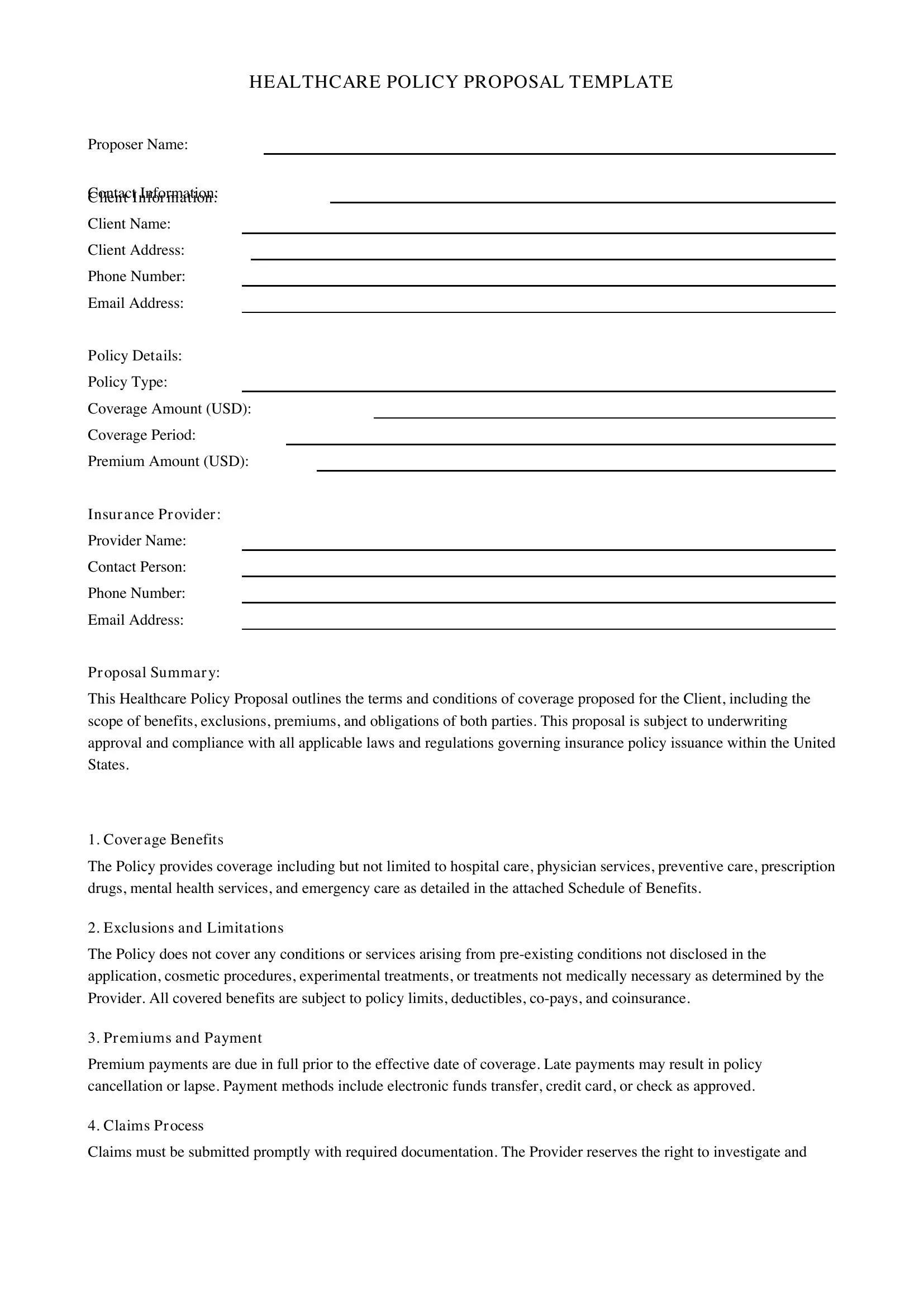 Understanding how to articulate the problem, propose a viable solution, and outline its potential benefits is crucial for gaining support and driving real-world change. We will explore the key components that make a proposal compelling, ensuring your vision for better healthcare can take root and flourish. From identifying stakeholders to projecting outcomes, this framework will equip you for success.
Structuring Effective Healthcare Policy Submissions
A strong proposal begins with a clear, logical structure that guides the reader through your arguments. When drafting a healthcare policy change proposal template, think of it as a roadmap designed to lead decision-makers to your desired conclusion. Each section should build upon the last, providing a comprehensive overview of your proposed changes. This systematic approach ensures no critical details are overlooked, strengthening the overall credibility of your submission.
Consider the diverse audience your proposal might reach, from clinical staff to government officials. Using precise language and evidence-based arguments will help bridge any knowledge gaps and foster a shared understanding of the issue at hand. A well-organized document reflects professionalism and a thorough understanding of the policy landscape, making your case far more persuasive.
Key elements often include:
- Executive Summary: A concise overview of the problem, proposed solution, and expected impact. This is often the first, and sometimes only, section busy decision-makers read.
- Problem Statement: A detailed description of the current issue, supported by data, statistics, and real-world examples. Clearly define why a change is necessary.
- Proposed Solution: A comprehensive outline of the recommended policy change, including its scope, specific actions, and anticipated timeline. Be clear and actionable.
- Goals and Objectives: Specific, measurable, achievable, relevant, and time-bound (SMART) objectives that the policy aims to achieve. This demonstrates a clear vision for success.
- Stakeholder Analysis: Identification of all individuals or groups affected by the proposed change, along with their potential interests and influences. This helps anticipate challenges.
- Feasibility and Resources: An assessment of the resources (financial, human, technological) required for implementation and an analysis of its practical viability.
- Potential Benefits and Impacts: A projection of the positive outcomes for patients, providers, the healthcare system, and society at large. Quantify benefits where possible.
- Risk Assessment and Mitigation: Identification of potential challenges, unintended consequences, or risks associated with the policy, along with strategies to address them.
- Evaluation Plan: A framework for monitoring the policy’s implementation and measuring its effectiveness against established objectives. This ensures accountability.
- Budget (if applicable): A detailed financial breakdown of costs associated with implementing the policy change. Transparency here is vital for gaining approval.
This structured framework not only clarifies your own thinking but also simplifies the review process for those evaluating your proposal. It’s about presenting a compelling narrative backed by robust evidence.
Crafting a Compelling Medical Policy Recommendation
When preparing a medical policy recommendation, the language you use and the evidence you present are paramount. Moving beyond simply identifying a problem, your proposal must articulate a clear path forward that resonates with diverse stakeholders. Highlighting the benefits to patient care, operational efficiency, and long-term sustainability can significantly strengthen your argument for a policy change. Engaging with existing healthcare data and research is vital to support your claims.
Consider presenting case studies or pilot program results if available, to demonstrate the potential success of your proposed policy. A strong medical policy proposal emphasizes outcomes and addresses potential objections proactively. This forward-thinking approach shows a deep understanding of the practical implications and challenges involved in policy implementation.
Sample of Healthcare Policy Change Proposal Template
A well-organized template provides a standardized approach to presenting your policy recommendations. Here is a typical structure for a healthcare policy change proposal template, ensuring all critical information is included and easy to find. This format helps reviewers quickly grasp the essence of your proposal and its potential impact on the healthcare landscape. Each section serves a specific purpose, contributing to a holistic and persuasive argument.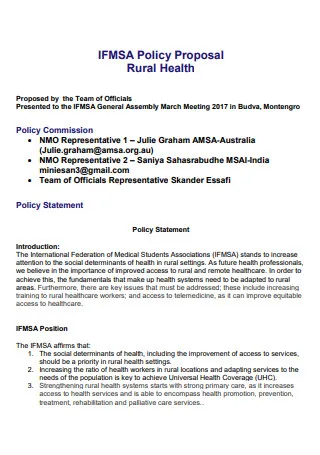
Proposal Title
Clearly state the name of your proposed policy change. Example: “Proposal for Standardized Telehealth Reimbursement Policies in Rural Areas.”
Date of Submission
Indicate when the proposal was submitted. This is for record-keeping purposes.
Prepared By
Your name, organization, and contact information. This provides clarity on the source of the proposal.
Executive Summary
A brief, one-paragraph overview summarizing the problem, the proposed solution, and the anticipated benefits. This should entice the reader to delve deeper.
Introduction and Background
Provide context for the proposed change, including historical information or previous attempts to address the issue. Set the stage for why this proposal is timely and necessary.
Problem Statement
Detail the specific issue or challenge that the policy aims to address. Use evidence, data, and relevant examples to illustrate the problem’s scope and impact.
Proposed Policy Change
Describe the exact policy you are proposing. Explain its components, scope, and how it differs from current practices. Be explicit about what needs to change.
Goals and Objectives
List the specific, measurable goals the policy intends to achieve. For instance, “Reduce hospital readmission rates by 15% within 18 months.”
Implementation Plan
Outline the step-by-step process for putting the new policy into effect. Include timelines, key milestones, and responsible parties for each stage. This demonstrates practical foresight.
Resource Requirements
Detail any necessary resources, such as staffing, technology, funding, or training. Provide estimated costs and explain how these resources will be acquired or allocated.
Anticipated Benefits and Outcomes
Explain the positive impacts of the policy on patients, healthcare providers, the system, and the community. Quantify benefits whenever possible to show clear value.
Potential Challenges and Mitigation Strategies
Identify possible obstacles or negative consequences of the policy and describe how these will be addressed. This shows a realistic understanding and preparedness.
Evaluation Metrics
Define how the success of the policy will be measured. Specify key performance indicators (KPIs) and data collection methods to track progress. Regular evaluation ensures accountability.
Conclusion and Call to Action
Reiterate the importance of the proposed policy and clearly state what action you are requesting from the decision-makers. This brings the proposal to a strong close.
Appendices (if applicable)
Include any supporting documents, data tables, research articles, or testimonials that lend further credence to your proposal. These provide additional evidence.
Developing a robust healthcare policy change proposal template is a crucial first step toward fostering meaningful reform in the medical sector. By systematically outlining the problem, presenting a clear solution, and detailing the anticipated impacts, you significantly increase your chances of influencing positive change. This structured approach not only clarifies your message but also instills confidence in those reviewing your recommendations.
The effort put into crafting a well-researched and organized proposal template will ultimately empower you to advocate effectively for improvements that benefit patients, providers, and the broader community. Embrace this framework to turn your vision for a better healthcare future into a tangible reality.