Embarking on a journey to build a new library or expand an existing one is an exciting endeavor that promises immense benefits for any community. However, transforming this vision into reality requires more than just passion; it demands a meticulously crafted plan and a compelling presentation. This is where a robust library construction project proposal template becomes an indispensable tool, guiding your efforts to secure the necessary support and funding.
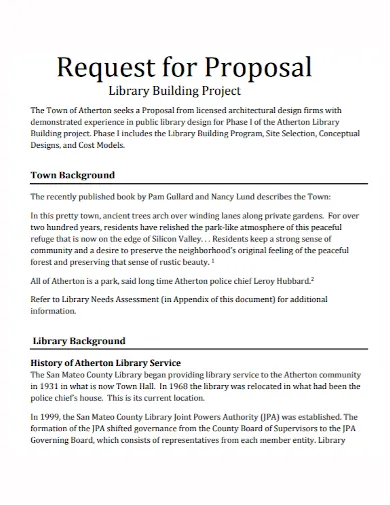
A well-structured proposal serves as your blueprint, articulating your project’s scope, goals, and impact to potential stakeholders, donors, and grant committees. It’s the critical document that bridges your aspirations with tangible financial and logistical backing, ensuring your community’s dream library can finally take shape. This article will explore the vital components of such a template, guiding you through creating a persuasive document that stands out.
Essential Elements of a Successful Library Building Proposal
A winning library building proposal is more than just a request for funds; it’s a narrative that communicates vision, necessity, and impact. It must clearly outline every aspect of your proposed facility, from its architectural design to its long-term operational plan. Understanding these core components is crucial for anyone preparing a comprehensive construction project blueprint.
Begin by articulating the project’s executive summary, a concise overview that captures the essence of your proposal. This section should immediately grab the reader’s attention, highlighting the primary goals and anticipated outcomes of the new library facility or expansion. Think of it as your elevator pitch for the entire construction project.
Next, delve into a detailed statement of need, providing compelling reasons why this project is essential for your community. Include relevant demographic data, current library usage statistics, and identified gaps in services or space. This section effectively makes the case for your library development plan, illustrating the profound positive change it will bring.
Outline the specific project goals and objectives, ensuring they are SMART (Specific, Measurable, Achievable, Relevant, Time-bound). Clearly define what the new construction or renovation will accomplish, such as increased capacity, new program offerings, or enhanced accessibility. This demonstrates a clear vision and a commitment to measurable success.
Your proposal must also include a comprehensive project scope, detailing what the construction entails. This covers everything from square footage and number of floors to specific departments and special features. Provide architectural drawings or conceptual sketches to give stakeholders a visual understanding of the proposed design.
Finally, discuss your project team, highlighting the expertise of architects, contractors, and library staff involved. Detail their relevant experience and qualifications to instill confidence in your ability to execute the project successfully. A strong team makes a strong proposal.
Developing a Comprehensive Library Construction Project Plan
Crafting a thorough library construction project plan requires meticulous attention to detail, especially when it comes to budgeting and scheduling. This section is where you translate your vision into actionable steps and realistic financial projections. An accurate and transparent budget is paramount for securing funding for your library expansion.
Start with a detailed budget breakdown, itemizing all anticipated costs. This includes land acquisition, architectural fees, construction materials, labor, permits, interior furnishings, technology infrastructure, and contingency funds. Providing a line-item budget shows professionalism and financial foresight, which is critical for any grant application document.
Budgeting for Library Construction
- Land Acquisition: Costs associated with purchasing or leasing the land.
- Architectural and Engineering Fees: Payments for design, blueprints, and structural calculations.
- Construction Costs: Expenses for building materials, equipment rental, and labor wages.
- Permits and Inspections: Necessary fees for legal and safety compliance.
- Interior Furnishings & Equipment: Shelving, tables, chairs, computers, and other essential items.
- Technology Infrastructure: Wiring, network hardware, and security systems.
- Contingency Funds: An allocated percentage (typically 10-15%) for unforeseen expenses.
- Project Management: Costs for overseeing the entire construction process.
Following the budget, present a realistic project timeline. Break down the construction into phases, with estimated start and completion dates for each. This includes design, bidding, site preparation, foundation work, structural build-out, interior finishing, and final inspections. A clear schedule demonstrates organized planning and helps stakeholders track progress.
Identify potential risks and outline mitigation strategies. Every large-scale project faces challenges, from weather delays to material shortages. Proactively addressing these shows preparedness and a thoughtful approach to project management. This builds confidence in your project’s viability.
Finally, describe your project’s sustainability plan, including environmental considerations and energy efficiency. Highlight how the new facility will be a long-term asset, both ecologically and economically. Discuss plans for maintenance and future operational costs to ensure the library’s enduring success.
Sample Layout of a Library Construction Project Proposal Template
Understanding the typical structure of a library construction project proposal template can significantly streamline your writing process. While specific sections may vary based on your project’s complexity and funding source, a standard format ensures all critical information is presented logically and effectively. This helps readers grasp the full scope of your new library facility proposal.
A well-organized template often begins with a title page and table of contents, offering clear navigation. These initial pages establish a professional tone and help reviewers quickly locate specific sections of interest. Clarity and accessibility are key throughout the entire document.
The main body typically follows the elements discussed earlier: executive summary, statement of need, project goals, scope, and team. Each of these sections should flow naturally into the next, building a comprehensive case for your construction project. Using subheadings within these sections can further enhance readability.
Include a dedicated section for the detailed budget and financial plan, often with an accompanying narrative explaining the funding strategy. This might involve outlining secured funds, pending grants, and fundraising targets. Transparency in financial matters is always highly valued by potential funders.
Appendices are crucial for supplementary materials that support your main proposal without cluttering it. This can include resumes of key personnel, letters of support from community leaders, detailed architectural plans, market research, or relevant permits. Providing these resources in an organized manner demonstrates thoroughness and preparedness. Reviewing various examples of a library construction project proposal template can also offer valuable insights into best practices for presentation and content.
Creating a compelling proposal for your library construction project requires strategic planning, meticulous research, and clear communication. By utilizing a comprehensive template, you ensure every vital aspect of your vision, from community impact to financial needs, is effectively presented. This structured approach significantly enhances your chances of securing the necessary support and resources, moving your dream library closer to reality.
Armed with a well-crafted proposal, you are ready to advocate for a project that will enrich lives, foster learning, and serve as a vibrant community hub for generations to come. Begin building your robust proposal today, setting the foundation for a truly transformative facility.