Starting a new club at your high school can be an incredibly rewarding experience, offering unique opportunities for students to explore interests, develop leadership skills, and connect with peers. However, turning a great idea into an official school organization requires more than just enthusiasm. You need a clear, persuasive document that outlines your vision and meets administrative requirements. This is where a well-structured high school club proposal template becomes indispensable. 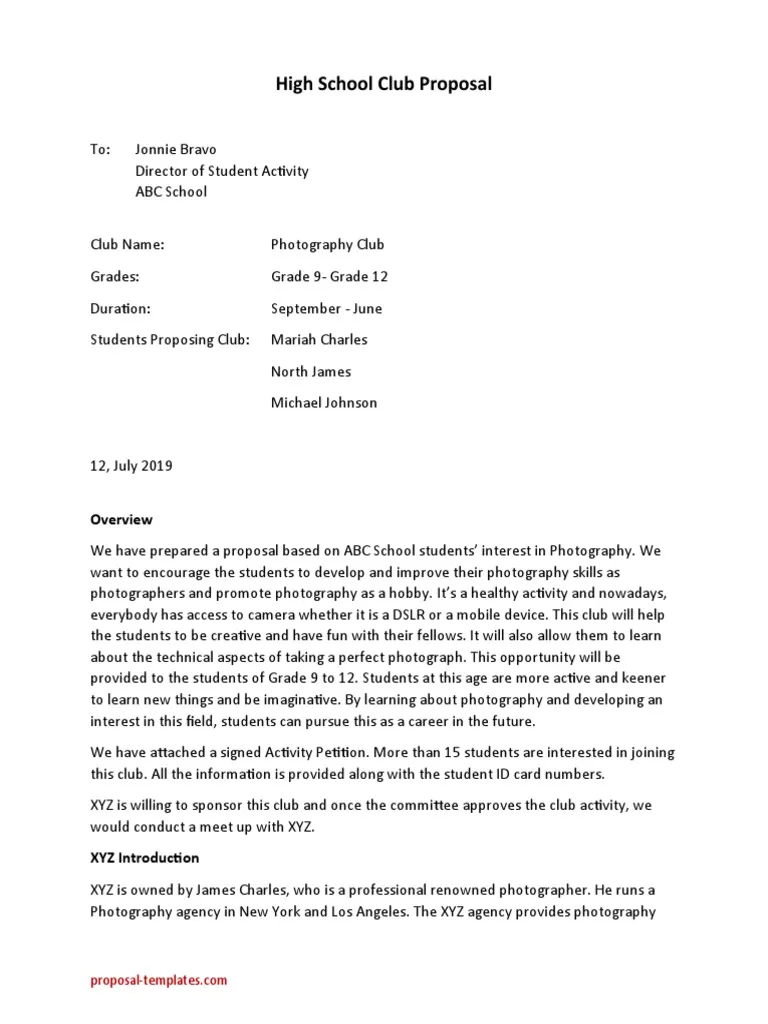 A strong proposal acts as your club’s blueprint, guiding you through the planning process and presenting your concept clearly to school officials. It ensures you’ve considered all necessary aspects, from your club’s purpose to its operational details, making the approval process smoother and more likely to succeed. This article will guide you through the essential components of creating a compelling proposal, providing a comprehensive high school club proposal template to help you bring your club to life.
Why Creating a Strong Club Proposal Matters
Crafting a detailed club proposal is the first crucial step toward establishing any new student organization. It serves as a formal request to your school administration, demonstrating your commitment and foresight. Without a clear proposal, school officials might not fully grasp your club’s value or how it aligns with school policies.
A well-prepared document shows that you’ve thought through the logistics and potential challenges. It highlights the benefits your club will bring to the student body and the broader school community. This proactive approach can significantly increase your chances of getting the green light for your new initiative. Moreover, it encourages you to define your club’s mission and objectives early on. This initial planning also helps you identify potential faculty advisors and gauge student interest.
The more prepared you are with a solid proposal, the smoother the journey from idea to official club status will be. It’s an investment in your club’s future success, setting a professional tone right from the start.
Key Sections of an Effective High School Club Proposal Template
To ensure your club proposal is comprehensive and persuasive, it should include several key sections. Each section plays a vital role in informing school administrators about your club’s purpose, structure, and benefits. Organizing your information clearly will make it easier for them to review and approve your application.
Club Name and Contact Information
This section should clearly state the proposed name of your club. Choose a name that is descriptive and memorable. Include the name of the student proposer(s) and their contact information, such as student ID and email address. You should also list the name and contact details of your faculty advisor here.
Mission Statement and Objectives
Your club’s mission statement is a concise declaration of its core purpose. It explains why your club exists. Following this, outline specific, measurable, achievable, relevant, and time-bound (SMART) objectives. These objectives detail what your club aims to accomplish throughout the school year.
Club Activities and Schedule
Describe the types of activities your club plans to engage in. This could include weekly meetings, projects, community service, competitions, or special events. Provide a rough idea of your meeting frequency and duration. A brief sample schedule for the first semester can be very helpful here.
Membership Requirements and Structure
Explain who can join your club and any prerequisites for membership. Detail how students will become members and if there will be any leadership positions. Outline the roles and responsibilities of key officers, such as president, vice-president, secretary, and treasurer. This section also covers how decisions will be made.
Budget and Funding Request
Outline any anticipated costs associated with your club, such as supplies, event fees, or guest speakers. If you are requesting funding from the school, specify the amount and how it will be utilized. If your club plans to fundraise, briefly describe your strategies. This demonstrates financial responsibility and planning.
Faculty Advisor Information
Provide a brief introduction to your faculty advisor, including their name, department, and contact information. Explain why they are a suitable advisor for your club. This section reinforces the support system your club will have within the school.
Sample High School Club Proposal Template
A well-structured template provides a clear roadmap for creating your club proposal. It ensures you cover all the necessary details that school administrators look for when evaluating new student organizations. This sample high school club proposal template will help you organize your thoughts and present a professional request.
The following sections represent a comprehensive outline that you can adapt for your specific club idea. Remember to fill in each section with detailed and persuasive information relevant to your proposed organization. Clarity and completeness are key to a successful submission.
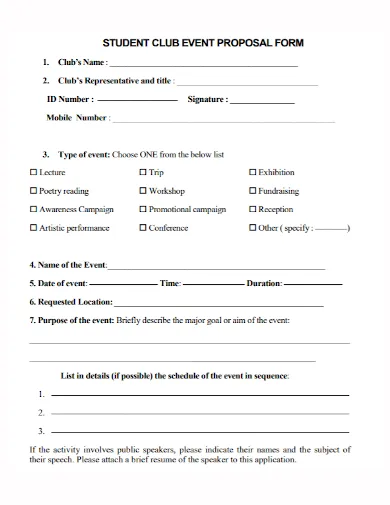
Club Proposal Outline
1. Club Information
- Proposed Club Name: [e.g., “The Green Thumb Gardening Club”]
- Proposer’s Name(s): [Your Name(s)]
- Proposer’s Student ID(s): [Your ID(s)]
- Proposer’s Email(s): [Your Email(s)]
- Date of Proposal: [Date]
2. Faculty Advisor Information
- Advisor’s Name: [Mr./Ms. Smith]
- Advisor’s Department: [Science Department]
- Advisor’s Email: [[email protected]]
- Advisor’s Phone: [School Phone Number]
3. Mission Statement
- [A concise statement outlining the club’s purpose. E.g., “The Green Thumb Gardening Club aims to foster an appreciation for sustainable gardening practices, enhance environmental awareness, and beautify the school campus through student-led gardening initiatives.”]
4. Club Objectives
- To establish and maintain a productive school garden by the end of the first semester.
- To educate members about various gardening techniques, plant care, and local ecosystems.
- To host at least two community engagement events per year, sharing produce or gardening knowledge.
- To provide a collaborative and hands-on learning environment for students interested in horticulture.
5. Club Activities
- Weekly garden maintenance and planting sessions.
- Workshops on composting, seed starting, and pest control.
- Field trips to local botanical gardens or farms (if budget allows).
- Harvesting and distributing produce to the school cafeteria or local food banks.
- Annual “Garden Fair” to showcase club achievements and educate the school community.
6. Membership and Leadership
- Open to all high school students with an interest in gardening.
- No prior experience required; enthusiasm is key.
- Leadership roles: President, Vice-President, Secretary, Treasurer, Garden Coordinator.
- Officers will be elected annually by club members.
- Regular attendance at meetings and participation in activities is expected.
7. Meeting Schedule
- Frequency: Once a week, typically Tuesdays after school.
- Duration: Approximately 1 hour.
- Location: School Garden (weather permitting) or Science Lab (for indoor activities/meetings).
8. Budget Request and Funding
- Initial Request: $300 for seeds, soil, basic tools, and watering cans.
- Future Funding: Will apply for school activity grants and organize small fundraisers (e.g., plant sales).
- Proposed Use of Funds:
- Seeds & Plants: $100
- Gardening Tools (gloves, trowels, small shovels): $120
- Compost & Soil Amendments: $50
- Watering Cans: $30
9. Benefits to School and Students
- Enhances school aesthetics and green spaces.
- Provides hands-on learning in science, environmental studies, and practical skills.
- Fosters teamwork, responsibility, and leadership qualities.
- Promotes healthy eating habits and environmental stewardship.
- Offers a positive, inclusive extracurricular activity for all students.
Tips for Getting Your High School Club Approved
Once you have your high school club proposal template filled out, the next step is presenting it effectively. There are several strategies you can employ to increase your chances of getting your club approved by the school administration.
A well-prepared presentation can make a significant difference in the outcome. First, ensure your proposal is impeccably organized and free of errors. Proofread it carefully for grammar, spelling, and clarity. A polished document reflects professionalism and dedication. Consider making a concise executive summary if your proposal is quite lengthy, allowing administrators to quickly grasp the main points.
Second, be prepared to answer questions about your club’s logistics, safety, and alignment with school values. Anticipate potential concerns, such as supervision, funding, or time commitment, and have thoughtful answers ready. Demonstrating a clear understanding of school policies and procedures will also work in your favor. Furthermore, gathering support from other students and teachers beforehand can add weight to your proposal.
A petition with student signatures or letters of support from faculty can show widespread interest and backing for your club. Launching a new club is an exciting journey that begins with a solid foundation. By utilizing a comprehensive high school club proposal template, you set yourself up for success, ensuring all critical aspects are addressed and presented professionally.
This organized approach not only streamlines the approval process but also provides a clear vision for your club’s future operations and activities. Remember, a thoughtful proposal is more than just a formality; it’s a testament to your initiative and commitment to enriching the school community.
Take the time to craft a compelling document, gather support, and be prepared to articulate your club’s value. With careful planning and a well-executed proposal, you’ll be well on your way to creating a thriving and impactful student organization that benefits everyone involved.