In the world of security, vigilance is paramount. Security guards are the first line of defense, responsible for safeguarding people, property, and assets around the clock. Their days are filled with diverse tasks, from routine patrols and access control to responding to unexpected incidents and observing their surroundings. Every shift brings a unique set of challenges and observations that are crucial for maintaining a secure environment and ensuring smooth operations.
Keeping track of these varied activities is not just good practice; it is an essential component of effective security management. Without proper documentation, valuable information can be lost, incidents can be overlooked, and communication gaps can emerge between shifts or with management. This lack of detailed record-keeping can hinder investigations, complicate performance reviews, and ultimately compromise the overall security posture of any facility or site.
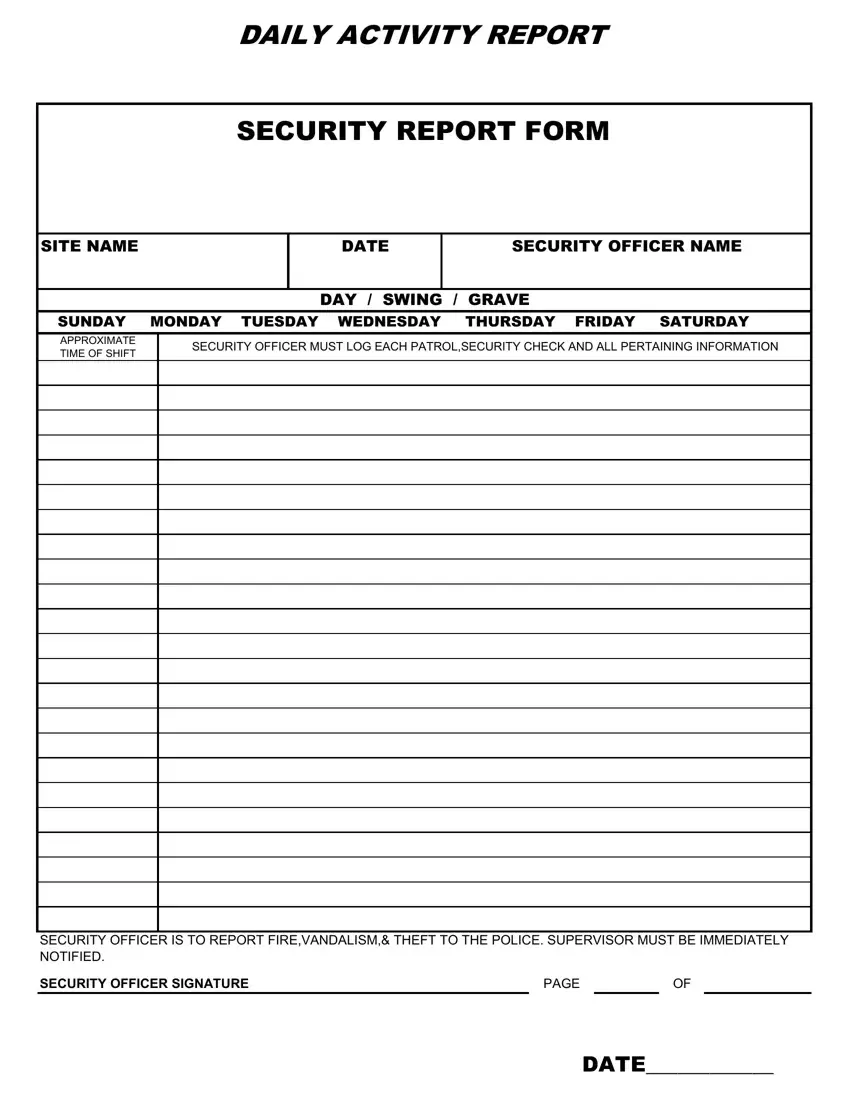
That is precisely why having a robust system for recording daily activities is so vital. A well-designed security guard daily activity report template provides a structured way to capture all necessary information consistently and efficiently. It ensures that every important detail, from routine checks to significant occurrences, is logged, creating a clear and actionable record for review, analysis, and future reference. This tool transforms raw observations into organized data, empowering security teams to operate with greater transparency and effectiveness.
What Should a Comprehensive Security Guard Daily Activity Report Include?
A truly effective security guard daily activity report template goes beyond mere bullet points; it is a comprehensive tool designed to capture the full spectrum of a guard’s shift. Its purpose is to provide a clear, chronological, and detailed account of all happenings, observations, and actions taken during a specific period. This level of detail is critical for ensuring accountability, facilitating investigations, and improving overall security protocols.
One of the core components is thorough incident reporting. It is inevitable that guards will encounter situations requiring specific attention, from minor disturbances to more serious security breaches. The template must provide ample space and clear categories for documenting these events with precision. Without a structured format, critical details might be omitted, making it difficult to understand the full context or take appropriate follow-up actions.
Key Elements for Incident Reporting
- Date and exact time of the incident
- Specific location where the incident occurred
- Names and contact information of all involved parties, including witnesses
- A detailed, objective description of the incident, including what happened, in what order, and any relevant dialogue
- Actions taken by the security guard, such as warnings issued, notifications made, or first aid provided
- Status of the incident at the time of the report (e.g., resolved, ongoing, escalated)
Beyond incidents, routine patrol logs are another foundational aspect. Security guards spend a significant portion of their shift patrolling designated areas, checking locks, monitoring surveillance systems, and generally maintaining a visible presence. Documenting these patrols confirms they were conducted as required and allows for the recording of any anomalies or observations made during these rounds. This includes noting areas that might require extra attention or identifying potential security vulnerabilities.
Furthermore, an effective template will include sections for recording visitor and contractor activity. This is crucial for access control and maintaining a secure perimeter. Details like names, entry and exit times, purpose of visit, and areas accessed should be logged. Similarly, checks of security equipment, such as alarms, cameras, and communication devices, should be documented, noting their operational status and any maintenance issues identified. This ensures all systems are functioning correctly and highlights when repairs are needed.
Finally, a good report template will also allow for general observations and handover notes. This includes anything unusual or noteworthy that did not constitute a full incident but is still important for the next shift or management to know. These might be observations about suspicious vehicles, unusual sounds, or even the general demeanor of individuals on site. Handover notes are essential for seamless transitions between shifts, ensuring continuity of security efforts and preventing vital information from falling through the cracks. This holistic approach ensures every aspect of the guard’s shift is accounted for, building a robust historical record.
The Undeniable Advantages of a Standardized Security Report Template
Adopting a standardized security guard daily activity report template brings a multitude of benefits that profoundly impact the efficiency and effectiveness of any security operation. Firstly, it fosters consistency. When all guards use the same format, the reports become uniform, easy to read, and simple to understand, regardless of who authored them. This consistency eliminates ambiguity and ensures that all critical data points are always captured, preventing important details from being overlooked due to varied reporting styles.
Secondly, a standardized template significantly improves communication and accountability within the security team and with management. Clear, concise reports facilitate better handovers between shifts, ensuring that the incoming guard is fully briefed on the current status of the site. Managers can quickly review reports to identify trends, assess guard performance, and make informed decisions about resource allocation or protocol adjustments. It also holds guards accountable for their actions and observations, as everything is officially documented.
Beyond operational improvements, using a consistent security guard daily activity report template also offers substantial benefits in terms of legal protection and liability. In the unfortunate event of a security incident, a well-maintained, detailed log can serve as crucial evidence, demonstrating due diligence and professional conduct. It provides an objective record of events, which can be invaluable in investigations, insurance claims, or legal proceedings, potentially mitigating risks and protecting the organization from undue liability. This structured approach to documentation elevates the professionalism and reliability of the entire security operation.
Implementing a comprehensive daily activity report is more than just a procedural step; it is a foundational pillar for a strong security posture. By diligently documenting every patrol, observation, and incident, security teams transform raw data into actionable intelligence. This meticulous record-keeping not only enhances immediate operational efficiency but also builds a valuable historical archive that can inform future security strategies and training programs.
Ultimately, a well-executed reporting system empowers security professionals to perform their duties with greater precision and confidence. It creates an environment of transparency, accountability, and continuous improvement, ensuring that the safety and security of any premises remain at the highest possible standard. Investing time in developing or adopting an effective template truly pays dividends in heightened security and peace of mind.