Investigating a fire incident is a complex and critical process, demanding meticulous attention to detail and accurate documentation. Understanding the exact sequence of events, identifying the ignition source, and determining the initial fuel are paramount for legal, insurance, and preventative purposes. This is where a robust fire cause and origin report template becomes an indispensable tool for investigators worldwide.
An expertly crafted report ensures consistency, clarity, and comprehensiveness, making the findings defensible and actionable. It serves as a definitive record, chronicling every piece of evidence and every step of the investigative journey. Without a standardized approach, vital information can be overlooked, leading to inconclusive findings or erroneous conclusions, which can have significant repercussions.
This article will delve into the essential elements of effective fire investigation reporting, offering insights into best practices and outlining why a structured fire cause and origin report template is crucial. We will explore the key components that constitute a thorough report and provide a sample structure to guide your documentation efforts, helping you master the art of fire incident analysis.
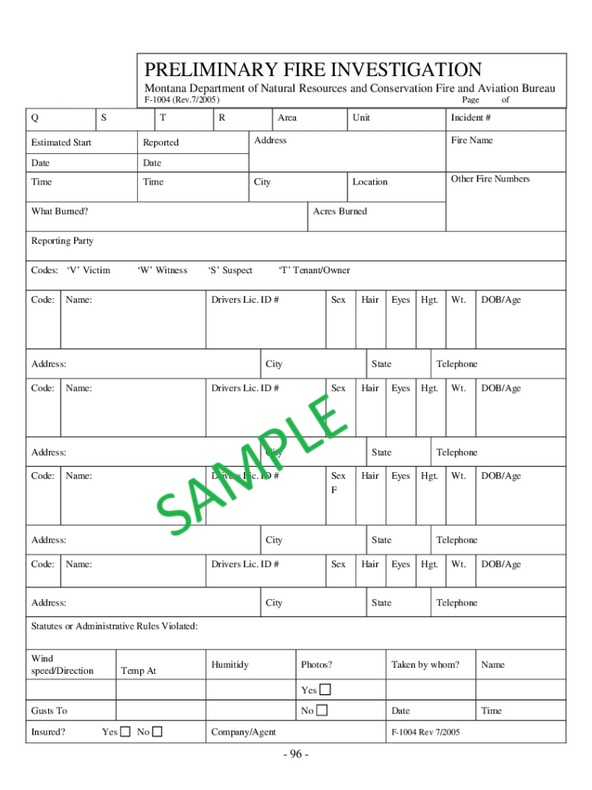
Understanding the Purpose of a Fire Investigation Report
A fire investigation report serves as the cornerstone of understanding any fire incident, whether it’s a minor residential blaze or a large-scale industrial inferno. Its primary goal is to systematically document findings, analyze evidence, and ultimately determine the cause, origin, and circumstances surrounding the event. This detailed record is vital for various stakeholders, including law enforcement, insurance companies, and property owners.
The accurate reconstruction of a fire scene relies heavily on the quality and detail of the initial investigation and subsequent report. Such reports often play a critical role in identifying patterns, improving safety regulations, and preventing future occurrences. They translate complex physical evidence and expert analysis into a clear, understandable narrative.
Key Components of a Comprehensive Report
A comprehensive fire investigation report must encapsulate all relevant aspects of the incident, from initial observations to final conclusions. Each section contributes to building a complete picture, ensuring that no stone is left unturned in the pursuit of truth. Thoroughness at this stage is non-negotiable for credibility.
Key components typically include:
- Incident Details: Date, time, location, property type, and initial dispatch information.
- Investigator Information: Names, affiliations, qualifications, and contact details of all personnel involved.
- Scene Description: Detailed narrative and visual documentation of the scene before disturbance, including layout, damage assessment, and environmental factors.
- Evidence Collection: A meticulous log of all physical evidence found, its location, collection method, chain of custody, and laboratory analysis results.
- Witness Statements: Summaries or transcripts of interviews with witnesses, occupants, or first responders.
- Analysis: Expert interpretation of fire patterns, burn indicators, fuel loads, and potential ignition sources.
- Conclusion: A clear, concise statement of the determined cause (accidental, incendiary, natural, undetermined) and origin of the fire.
- Recommendations: Suggestions for future prevention, safety improvements, or further investigation.
The Role of Documentation in Legal Proceedings and Insurance Claims
The meticulous documentation provided by a well-structured fire report extends its utility far beyond the initial investigation. In legal proceedings, these reports are frequently presented as expert testimony, influencing court decisions in cases of arson, negligence, or product liability. Prosecutors and defense attorneys rely on the report’s findings to build or counter their arguments effectively.
Similarly, insurance companies depend on the accuracy of a fire cause and origin report template to process claims efficiently and fairly. The report helps them verify the circumstances of the loss, assess damages, and determine policy coverage. Discrepancies or ambiguities in documentation can lead to delays, disputes, and even outright denial of claims, highlighting the financial implications of thorough reporting. According to industry statistics, reports with clear, defensible conclusions significantly expedite the claims process.
Essential Elements of a Fire Cause And Origin Report Template
Developing a systematic approach to fire investigation is crucial, and a well-designed **fire cause and origin report template** provides that structure. It guides investigators through each necessary step, ensuring that critical information is consistently captured and presented logically. This standardization not only improves efficiency but also enhances the overall quality and reliability of the final report.
The template should be flexible enough to accommodate unique circumstances of various incidents, yet rigid enough to enforce a consistent methodology. Its primary purpose is to transform raw data and observations into a coherent, evidence-backed narrative. Ultimately, the template helps investigators methodically analyze the fire scene and draw accurate conclusions.
Documenting the Scene and Evidence Collection
The initial documentation of the fire scene is perhaps the most critical phase of any investigation. Every detail observed, photographed, and diagrammed contributes to the reconstruction of the event. Investigators must employ a systematic approach to ensure nothing is overlooked, as even the smallest detail can be pivotal.
Key aspects of scene documentation include:
- Photography: Comprehensive photographic records from various angles, including overall scene shots, mid-range views, and close-ups of specific details or evidence.
- Sketches and Diagrams: Hand-drawn or digital diagrams illustrating the layout of the scene, burn patterns, location of evidence, and points of interest.
- Evidence Logs: Detailed logs for each piece of physical evidence, noting its description, exact location, date and time of collection, and who collected it.
- Chain of Custody: A clear and unbroken record of every individual who handled a piece of evidence, from collection to laboratory analysis and eventual presentation.
- Environmental Conditions: Recording weather, temperature, and other ambient factors at the time of the fire and during the investigation, as these can affect fire spread and evidence integrity.
Proper documentation is essential for maintaining the integrity of the evidence and ensuring its admissibility in legal proceedings.
Analyzing Fire Patterns and Ignition Sources
Interpreting fire patterns is a specialized skill that allows investigators to trace the path of the fire and identify its origin. These patterns, often observed as charring, spalling, or smoke deposits, provide crucial clues about the fire’s behavior and intensity. Understanding these indicators is vital for accurate origin determination.
Investigators meticulously examine:
- V-Patterns: Often indicating the point of origin or where a fuel source was located.
- Depth of Char: Can help determine the duration and intensity of burning in specific areas.
- Melted Metals: Suggesting high temperatures and indicating the presence of specific materials.
- Spalling: The chipping or cracking of concrete or masonry due to rapid heating, offering insights into fire intensity.
Identifying the ignition source involves looking for what provided the initial heat to start the fire. This could range from electrical faults and faulty appliances to discarded smoking materials, open flames, or even spontaneous combustion. Furthermore, determining the “first fuel ignited” — the material that first caught fire — is equally important for a complete understanding of the incident.
Determining Cause and Origin Classifications
The ultimate goal of a fire investigation is to determine the fire’s cause and origin with scientific certainty. The origin is the precise location where a fire started, often a specific room, area, or even a particular item. Establishing this point is critical for understanding the initial spread and for focusing the search for the cause.
The cause of a fire is typically classified into one of four categories, based on the findings:
- Accidental: A fire that results from unintended acts or omissions, such as an electrical malfunction, a cooking mishap, or a dropped cigarette.
- Incendiary (Arson): A fire that is intentionally ignited under circumstances where it shouldn’t be, usually with malicious intent.
- Natural: Fires caused by non-human factors, such as lightning strikes or spontaneous combustion of certain materials.
- Undetermined: When the cause cannot be proven to a reasonable degree of certainty due to insufficient evidence or conflicting information.
A clear and evidence-backed classification is paramount, especially when the findings have legal or financial ramifications. The **fire cause and origin report template** ensures these classifications are thoroughly supported.
Sample Fire Cause And Origin Report Template
A well-structured **fire cause and origin report template** provides a consistent framework for investigators to document their findings. This sample illustrates the typical sections and types of information expected in a comprehensive report. Remember to adapt this structure to the specific needs of each investigation.
FIRE CAUSE AND ORIGIN INVESTIGATION REPORT

REPORT DATE: [Date of Report]
INCIDENT #: [Unique Incident Number]
AGENCY: [Investigating Agency Name]

---

I. INCIDENT OVERVIEW

    A. Incident Identification:
        Date of Incident: [YYYY-MM-DD]
        Time of Alarm: [HH:MM AM/PM]
        Time of Arrival: [HH:MM AM/PM]
        Time Under Control: [HH:MM AM/PM]
        Property Address: [Street Address, City, State, ZIP]
        Property Type: [e.g., Single-Family Dwelling, Commercial Building, Industrial Plant]
        Occupancy Type: [e.g., Residential, Retail, Office]

    B. Initial Responding Agencies:
        [e.g., Fire Department (Engine #, Ladder #), Police Department, EMS]

---

II. INVESTIGATOR INFORMATION

    A. Lead Investigator:
        Name: [Investigator's Full Name]
        Title: [e.g., Fire Marshal, Certified Fire Investigator]
        Agency/Affiliation: [Agency Name]
        Contact: [Phone Number, Email Address]

    B. Assisting Personnel:
        [List names, titles, and affiliations of all assisting investigators/experts]

---

III. SCENE DESCRIPTION AND CONDITIONS

    A. Pre-Incident Conditions (if known):
        [Describe previous site visits, known hazards, or historical information]

    B. On-Scene Observations:
        Weather Conditions: [e.g., Clear, 68°F, Light Breeze from North]
        Scene Security: [e.g., Secured by yellow tape, police presence]
        Overall Damage Assessment: [e.g., Total loss, significant damage to rear section]
        Structural Integrity: [e.g., Intact, partial collapse, compromised]
        Utilities: [e.g., Electricity disconnected, gas shut off]

    C. Photographic Documentation:
        Number of Photos Taken: [Total Count]
        Method: [e.g., Digital Camera (make/model), Drone]
        Summary of Photos: [Brief description of what photos depict, e.g., "Overall scene, burn patterns, evidence items."]

    D. Diagrams/Sketches:
        Type: [e.g., Hand-drawn sketch, CAD drawing]
        Summary: [Description of diagram content, e.g., "Floor plan with fire spread and evidence locations."]

---

IV. EVIDENCE COLLECTION AND ANALYSIS

    A. Evidence Log:
        [Create a table or list for each item]
        Item # | Description | Location Found | Collected By | Date/Time | Disposition (Lab, Storage)
        ----------------------------------------------------------------------------------------------------
        1      | Charred outlet | Living Room, N wall | J. Smith      | YY-MM-DD HH:MM | Sent to Lab (ID: L1234)
        2      | Fabric swatch  | Sofa near window   | A. Jones      | YY-MM-DD HH:MM | Stored (ID: S5678)
        ...

    B. Witness/Interview Summaries:
        Witness 1 (Name): [Relationship to incident, summary of statement, contact info]
        Witness 2 (Name): [Relationship to incident, summary of statement, contact info]
        [Include any relevant statements from first responders]

    C. Laboratory Results (if applicable):
        [Reference lab reports, provide key findings, e.g., "Lab Report #L1234 confirmed presence of accelerant."]

---

V. FIRE PATTERN ANALYSIS AND ORIGIN DETERMINATION

    A. Fire Patterns Observed:
        [Describe specific patterns: V-patterns, depth of char, protected areas, heat shadows, spalling, melted metals, etc.]
        [Relate patterns to fire behavior and direction of spread]

    B. Area of Origin:
        [Specific location identified, e.g., "Southeast corner of the living room, near the wall outlet."]
        [Justification based on observed fire patterns and evidence]

---

VI. CAUSE DETERMINATION

    A. Ignition Source:
        [Specific item or energy source that ignited the fire, e.g., "Overloaded electrical outlet."]

    B. First Fuel Ignited:
        [Material that first caught fire, e.g., "Synthetic curtain fabric adjacent to outlet."]

    C. Fire Cause Classification:
        [Select one and provide justification]
        *   Accidental (Justification: Failure of electrical wiring due to overload, consistent with observed damage to outlet and wiring.)
        *   Incendiary
        *   Natural
        *   Undetermined

    D. Contributing Factors:
        [e.g., Lack of working smoke detectors, presence of excessive fuel load, open doors/windows]

---

VII. CONCLUSION

    Based on the totality of the evidence gathered and analyzed, including scene observations, photographic documentation, evidence collection, and pattern analysis, it has been determined that the fire originated in the [Area of Origin] and was caused by [Fire Cause Classification].

---

VIII. RECOMMENDATIONS

    [Specific recommendations for prevention, further investigation, or safety improvements, e.g., "Recommend a licensed electrician inspect all wiring in similar properties," "Conduct public awareness campaign on electrical safety."]

---

IX. ATTACHMENTS

    [List all attached documents: Photo Log, Evidence Chain of Custody Forms, Lab Reports, Interview Transcripts, etc.]
This structure provides a comprehensive guideline for creating a detailed and defensible report. Using such a template ensures that all pertinent information is consistently captured, organized, and presented professionally. It simplifies the complex task of fire investigation and helps maintain clarity throughout the process.
Concluding a thorough fire investigation requires more than just gathering facts; it demands synthesizing that information into a coherent and defensible report. The consistent application of a well-designed fire cause and origin report template is instrumental in achieving this goal. By following a structured format, investigators can ensure that every crucial detail is documented, analyzed, and presented clearly, minimizing ambiguities and strengthening the validity of their findings. This meticulous approach ultimately contributes to improved safety, accurate legal proceedings, and fair insurance settlements.
Adopting a standardized template empowers investigators to perform their duties with greater efficiency and accuracy, enhancing their credibility and the impact of their work. We encourage all fire professionals to utilize such a tool, adapting it to their specific needs, to elevate the quality of fire investigation reporting and contribute to a safer community.