Navigating complex workplace issues requires precision, fairness, and a systematic approach. When incidents arise, ranging from harassment allegations to policy violations, a thorough investigation is paramount. Without a structured process, organizations risk inconsistent outcomes, legal challenges, and damage to their culture.
A well-designed employee relations investigation report template serves as the backbone for conducting fair and compliant inquiries. It ensures every critical detail is captured, every step is documented, and every finding is supported by evidence. This structured documentation is vital for transparency and accountability within any organization.
This article will explore the critical role of an effective employee relations investigation report template, delve into its essential components, and provide a sample structure to guide your HR team in maintaining workplace integrity and compliance. Understanding how to properly utilize such a template is key to successful employee relations management.
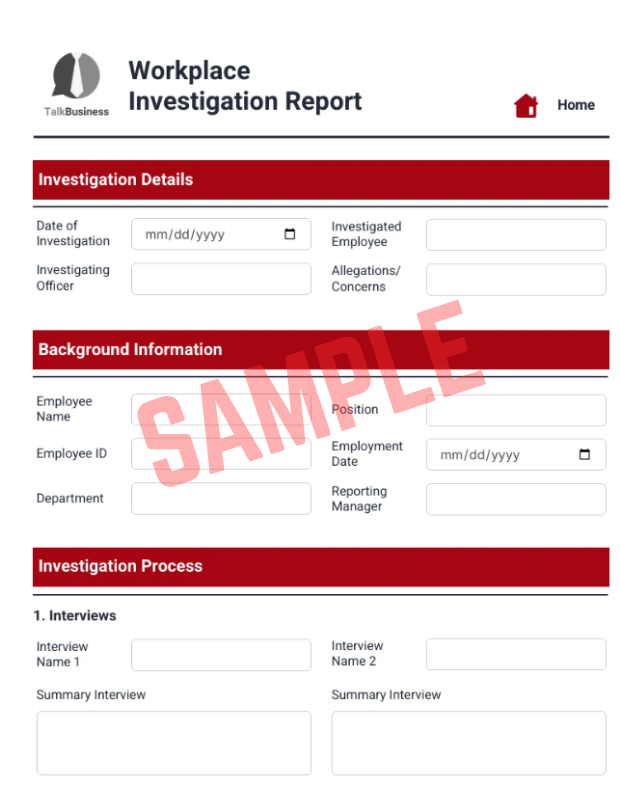
Why a Robust Employee Relations Investigation Report Template is Essential for HR
Effective employee relations hinge on trust and fairness, especially when resolving conflicts or addressing misconduct. A comprehensive employee relations investigation report template provides a crucial framework. It helps HR professionals conduct investigations systematically, ensuring all relevant information is gathered and documented.
This systematic approach minimizes subjectivity and biases. It creates a defensible record of the investigation process, which is invaluable if a case escalates to legal proceedings. Ultimately, it protects both the employees involved and the organization itself.
Moreover, a standardized template supports consistent application of company policies. It promotes a culture where all concerns are treated with the same level of seriousness and diligence. This consistency builds credibility for the HR department and fosters employee confidence.
Ensuring Fairness and Impartiality
Fairness is the bedrock of any successful employee relations investigation. Employees must believe their concerns will be heard and addressed impartially. An employee relations investigation report template ensures every step follows a predetermined, objective pathway.
It prompts investigators to collect evidence consistently from all parties involved. This includes gathering statements, reviewing documents, and identifying corroborating information. This structured process helps to prevent personal opinions or assumptions from influencing the outcome.
The template’s standardized sections for findings and conclusions also promote impartial analysis. Investigators are guided to base their determinations solely on documented facts, not speculation. This commitment to objectivity upholds the integrity of the investigation.
Mitigating Legal and Reputational Risks
Workplace investigations carry significant legal and reputational implications. Improperly handled cases can lead to costly lawsuits, regulatory fines, and severe damage to an organization’s public image. A detailed employee relations investigation report template acts as a crucial risk mitigation tool.
It creates a clear, documented audit trail of the investigation process. This documentation can be presented as evidence to demonstrate due diligence if legal challenges arise. It proves that the organization took appropriate steps to address concerns seriously.
Furthermore, by ensuring investigations are thorough and consistent, the template helps prevent repeat incidents. Addressing issues effectively and visibly reinforces a commitment to a safe and respectful workplace. This proactive stance safeguards the company’s reputation and fosters employee loyalty.
Driving Consistent Decision-Making
Consistency in decision-making is vital for maintaining employee morale and ensuring equitable treatment. Without a standardized process, different investigators might handle similar situations in varying ways. This can lead to perceptions of unfairness or favoritism.
An effective employee relations investigation report template guides investigators through a uniform set of steps. It ensures that the same criteria are applied when evaluating evidence and reaching conclusions. This promotes equity across all employee groups.
By standardizing the reporting of findings and recommendations, the template helps management make informed decisions. It provides a clear, concise summary of the investigation’s outcome. This leads to more consistent disciplinary actions or corrective measures, reinforcing workplace policies and standards.
Key Components of an Effective Workplace Investigation Report Template
Creating a robust employee relations investigation report template requires careful consideration of all stages of an investigation. Each section should serve a specific purpose, contributing to the clarity and defensibility of the final document. The template acts as a checklist, ensuring no critical step is missed.
It transforms a potentially chaotic process into an organized, trackable endeavor. From initial allegations to final recommendations, every piece of information finds its designated place. This structure is essential for both immediate resolution and long-term record-keeping.
A well-crafted template covers all necessary elements for a thorough and objective review. It guides investigators through information gathering, analysis, and the formulation of actionable outcomes. This comprehensive approach strengthens the reliability of the entire investigation.
Preliminaries and Incident Details
The opening section of any employee relations investigation report template sets the stage for the entire document. It provides essential administrative information. This includes details like the unique case number, the date the investigation commenced, and the date it was completed.
Identifying information for all parties involved is also critical here. This includes the complainant, the respondent, and any key witnesses. A brief, neutral summary of the allegations should also be included, outlining the core issue being investigated without bias.
This section ensures that anyone reviewing the report can quickly grasp the basics of the case. It establishes a clear record of who, what, and when. This foundation is crucial for organizing subsequent detailed information and maintaining proper documentation.
Investigation Methodology and Findings
This core section details how the investigation was conducted and what information was gathered. It should outline the specific investigative steps taken. This includes a list of all interviews conducted, specifying names, dates, and interview summaries.
Evidence gathered, such as emails, security footage, or policy documents, must also be meticulously documented. Each piece of evidence should be referenced clearly. The template should prompt investigators to objectively present all relevant facts and observations without interpretation at this stage.
A separate subsection might detail witness statements, summarizing their key points. The goal here is to present a comprehensive, factual account of what was discovered during the inquiry. This forms the basis for the subsequent analysis and conclusions.
Conclusions and Recommendations
The final sections of the report template are where the investigative findings are consolidated and action steps are proposed. The conclusions section should provide a clear and concise determination. This includes whether the allegations were substantiated, unsubstantiated, or inconclusive.
Each conclusion must be directly supported by the evidence and facts presented earlier in the report. This ensures transparency and logical reasoning. Avoid introducing new information or making speculative statements in this section.
Finally, the recommendations section outlines the proposed corrective actions or next steps. These might include disciplinary measures, policy changes, training requirements, or conflict resolution strategies. A well-considered employee relations investigation report template will also include a space for follow-up actions and their timelines.
Sample Employee Relations Investigation Report Template Structure
Implementing a standardized structure for your workplace investigations dramatically improves efficiency and compliance. Below is a detailed example of what an effective employee relations investigation report template might include. This sample emphasizes clarity, thoroughness, and a logical flow of information.
- Report Header Information
- Case Title: [e.g., Investigation into Allegation of Harassment]
- Case Number: [Unique alphanumeric identifier]
- Date Initiated: [Date investigation began]
- Date Completed: [Date investigation concluded]
- Investigator(s) Name(s): [Full name(s) and title(s)]
- Department/Unit: [HR Department or relevant unit]
- Parties Involved
- Complainant(s):
- Name:
- Title/Department:
- Contact Information:
- Respondent(s):
- Name:
- Title/Department:
- Contact Information:
- Key Witnesses:
- Name:
- Title/Department:
- Contact Information:
- Complainant(s):
- Allegation(s)
- Date Allegation Received:
- Source of Allegation: [e.g., Direct Report, HR Complaint Form, Manager]
- Policy Violated (if applicable): [Reference company policy number/name]
- Summary of Allegation(s): [Brief, neutral description of the incident(s) being investigated]
- Investigation Methodology
- Scope of Investigation: [e.g., “To determine if [Respondent] engaged in [alleged conduct] as per company policy [X].”]
- Investigative Steps Taken:
- Review of relevant company policies (list specific policies).
- Interviews conducted (list names, dates, times, and location of interviews).
- Evidence collected (list types of evidence: emails, video, documents, etc.).
- Other investigative actions (e.g., site visits, background checks).
- Interview Summaries
- Complainant Interview Summary: [Key points from complainant’s statement]
- Respondent Interview Summary: [Key points from respondent’s statement, including their defense/explanation]
- Witness Interview Summaries: [Key points from each witness’s statement]
- Witness 1 Name: [Summary]
- Witness 2 Name: [Summary]
- …
- Evidence Review
- Description of Evidence: [Detailed listing of each piece of evidence]
- Relevance: [How each piece of evidence relates to the allegations]
- Analysis: [Objective analysis of the evidence, highlighting inconsistencies or corroboration]
- Findings of Fact
- [Present a chronological or thematic account of the established facts, supported by evidence and statements. Avoid opinion or conclusions here.]
- Fact 1: [Description and supporting evidence/interview reference]
- Fact 2: [Description and supporting evidence/interview reference]
- …
- Conclusion(s)
- Determination: [State whether the allegations are substantiated, unsubstantiated, or inconclusive.]
- Rationale: [Clearly explain how the findings of fact led to the determination, linking back to policies if applicable.]
- Recommendations
- Proposed Actions: [Specific, actionable steps based on the conclusion, e.g., disciplinary action, training, policy review, mediation.]
- Follow-up Plan: [Who is responsible for implementing actions, timelines, and monitoring progress.]
- Legal/Compliance Review (if applicable): [Note if legal counsel reviewed the report.]
- Appendices (Optional)
- [List of attached documents, such as interview transcripts, evidence copies, relevant policies.]
Adopting an employee relations investigation report template like this ensures consistency and thoroughness in your HR processes. It empowers your team to handle sensitive situations with professionalism and legal compliance. Such a template is an indispensable tool for any HR department committed to maintaining a fair and equitable workplace.
A structured approach ensures that all relevant details are captured and reviewed methodically. This reduces the margin for error and improves the overall quality of investigation outcomes. Investing time in customizing and implementing a strong employee relations investigation report template will yield significant benefits for your organization’s integrity and employee trust.