Empowering your workforce with new skills is crucial for business growth and innovation in today’s fast-paced corporate world. A well-structured training program can significantly boost productivity, employee morale, and retention. To effectively communicate the value and logistics of such initiatives, an in house training proposal template becomes an indispensable tool, streamlining the entire planning process from conception to approval. This article will guide you through crafting a compelling proposal, highlighting key components and offering insights to ensure your training programs get the green light and deliver impactful results.
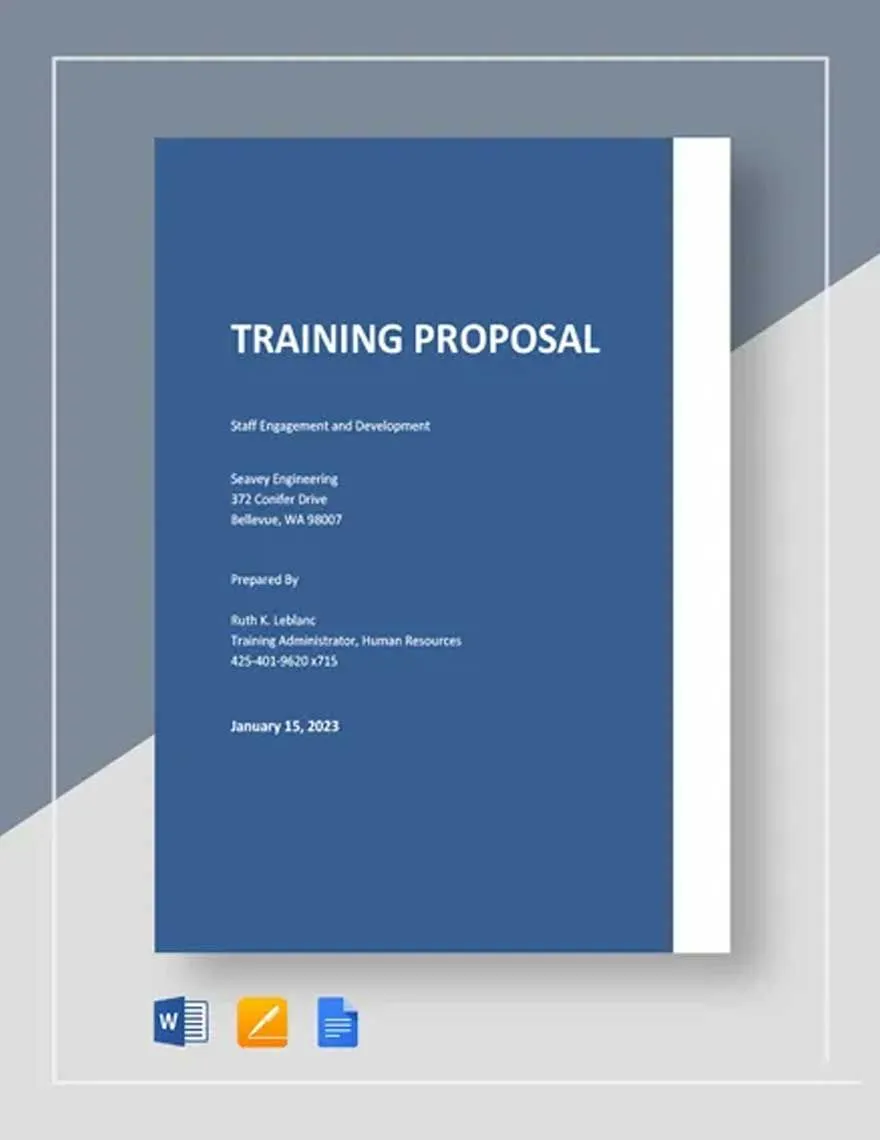
Many organizations recognize the need for continuous learning, yet struggle to translate that recognition into actionable plans. A robust training proposal template provides a clear framework, helping you articulate the objectives, methodology, and expected outcomes of your proposed in-house training. It ensures all stakeholders understand the investment and potential returns, making the decision-making process smoother and more efficient. By the end of this guide, you will be equipped to develop a persuasive and professional internal training plan.
Crafting an Effective Internal Training Proposal
Developing an effective internal training proposal requires more than just outlining a course; it demands a strategic approach to problem-solving and value creation. The goal is to present a clear, concise, and compelling argument for investing in your team’s development. This process ensures that your proposed training directly addresses existing skill gaps or growth opportunities within the organization.
Start by identifying specific needs within your departments or across the company. Are there new technologies being adopted, or perhaps shifts in market demands requiring updated competencies? According to a recent LinkedIn Learning report, 94% of employees would stay at a company longer if it invested in their learning and development. This highlights the significant return on investment beyond just skill acquisition.
Your proposal should clearly state the current problem or opportunity and how the proposed training will serve as a solution. Define the target audience and what they stand to gain. This section is vital for justifying the training expenditure and demonstrating alignment with broader business objectives. A well-articulated problem statement and solution framework are the foundation of any successful employee development program.
Consider the various forms an in-house training might take. It could involve workshops, seminars, online modules, or a blend of approaches. Detailing the chosen methodology and its rationale will add credibility to your submission. Emphasize how the training will be delivered efficiently and effectively to minimize disruption while maximizing learning retention.
Key Sections for Your Employee Development Program
A comprehensive in house training proposal template typically includes several core sections designed to provide a complete picture of your proposed program. Each section plays a vital role in informing decision-makers and securing the necessary resources. Understanding these components ensures no critical details are overlooked.
- Executive Summary: This concise overview summarizes the entire proposal, highlighting the problem, proposed solution, and anticipated benefits. It’s often the first and sometimes only section busy executives read, so make it impactful.
- Needs Assessment/Problem Statement: Clearly define the specific skills gaps, performance issues, or strategic opportunities that the training aims to address. Use data or observations to support your claims.
- Training Objectives: Outline what participants will be able to know or do after completing the training. Objectives should be SMART (Specific, Measurable, Achievable, Relevant, Time-bound).
- Target Audience: Specify who will attend the training and why they are the appropriate participants. This helps tailor content and ensures relevance.
- Training Content and Methodology: Detail the topics to be covered, the structure of the training (e.g., modules, workshops), and the delivery methods (e.g., instructor-led, e-learning, blended).
- Timeline and Schedule: Provide a realistic schedule for planning, development, and delivery of the training. Include key milestones and deadlines.
- Budget and Resources: Itemize all costs associated with the training, including facilitator fees, materials, technology, and venue if applicable. Justify each expense.
- Evaluation and Measurement: Explain how you will assess the effectiveness of the training. This could include pre/post-assessments, feedback surveys, or performance metrics.
- Expected Outcomes and Benefits: Articulate the tangible benefits for individuals, teams, and the organization as a whole. This could include improved productivity, higher retention, or enhanced competitive advantage.
- Call to Action: Clearly state what you are requesting from the decision-makers, whether it’s approval, funding, or further discussion.
Sample In House Training Proposal Template Structure
Understanding the theoretical components is one thing; seeing them structured within a practical in house training proposal template makes all the difference. While the exact format may vary, a typical proposal will follow a logical flow, guiding the reader through the problem, solution, and justification. This structure helps maintain clarity and professionalism, ensuring your message resonates with stakeholders.
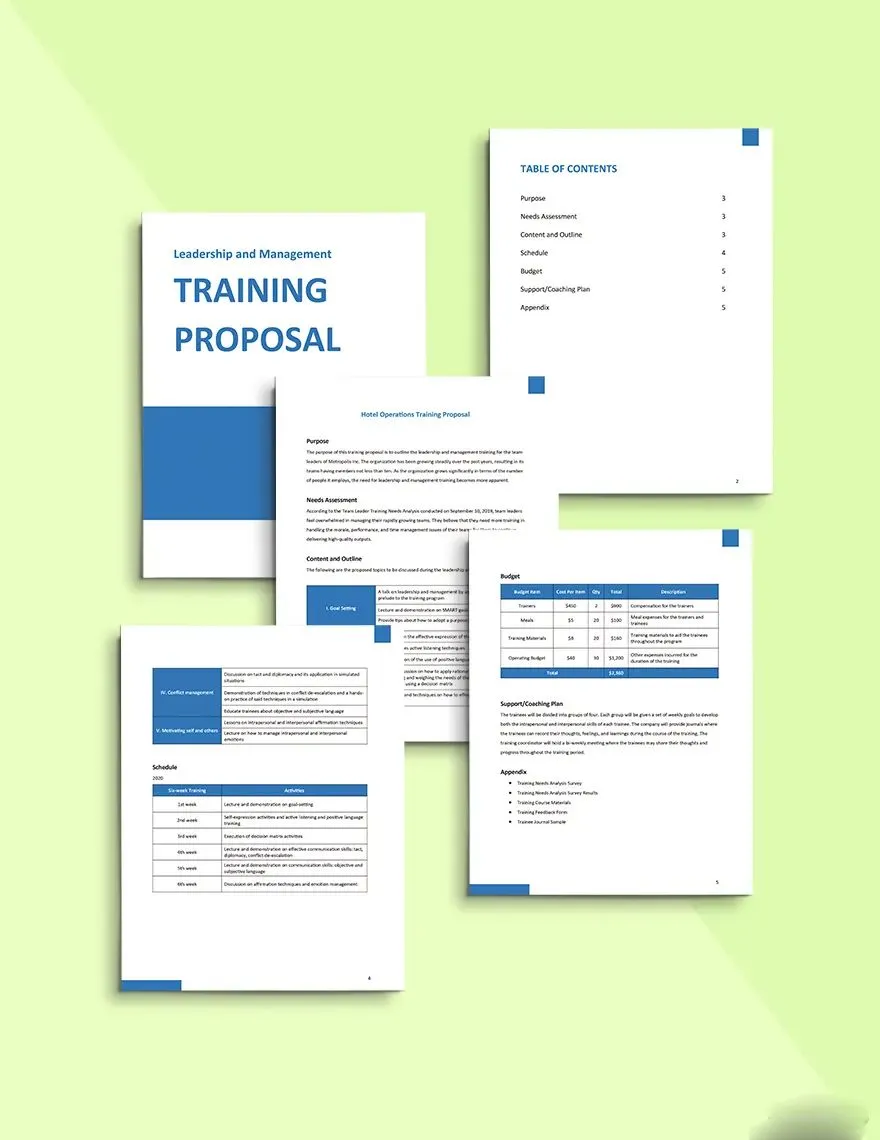
A well-organized training proposal begins with a compelling executive summary that immediately grabs attention. This section provides a high-level overview, setting the stage for the detailed information that follows. Think of it as your elevator pitch for the entire program, designed to quickly convey its importance and value.
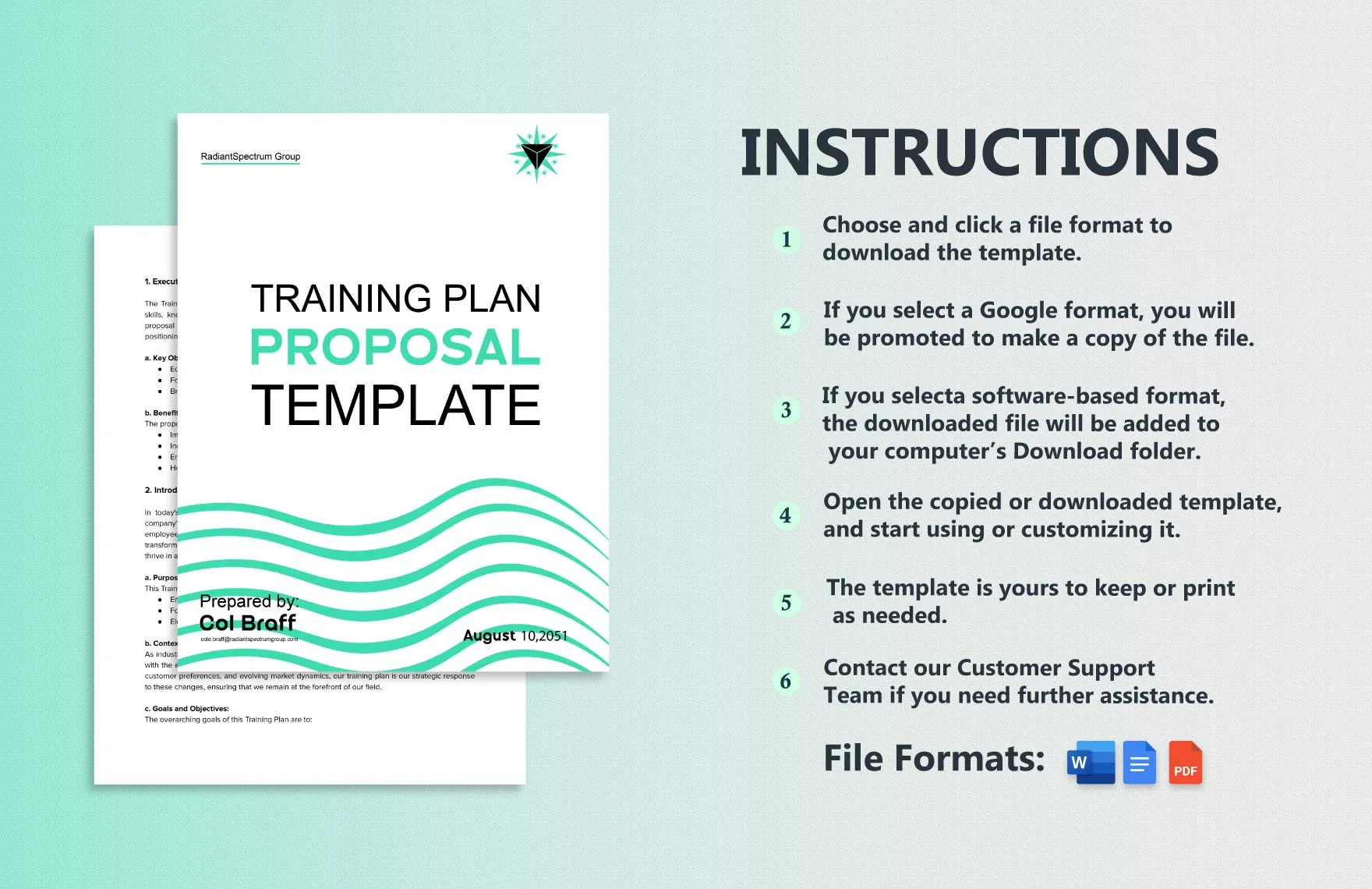
Following the summary, the needs assessment and objectives clearly define the “why” and “what” of your training. This clarity is crucial for gaining buy-in, as it directly links the training to identifiable organizational challenges or goals. Each objective should be measurable, allowing for clear evaluation later.
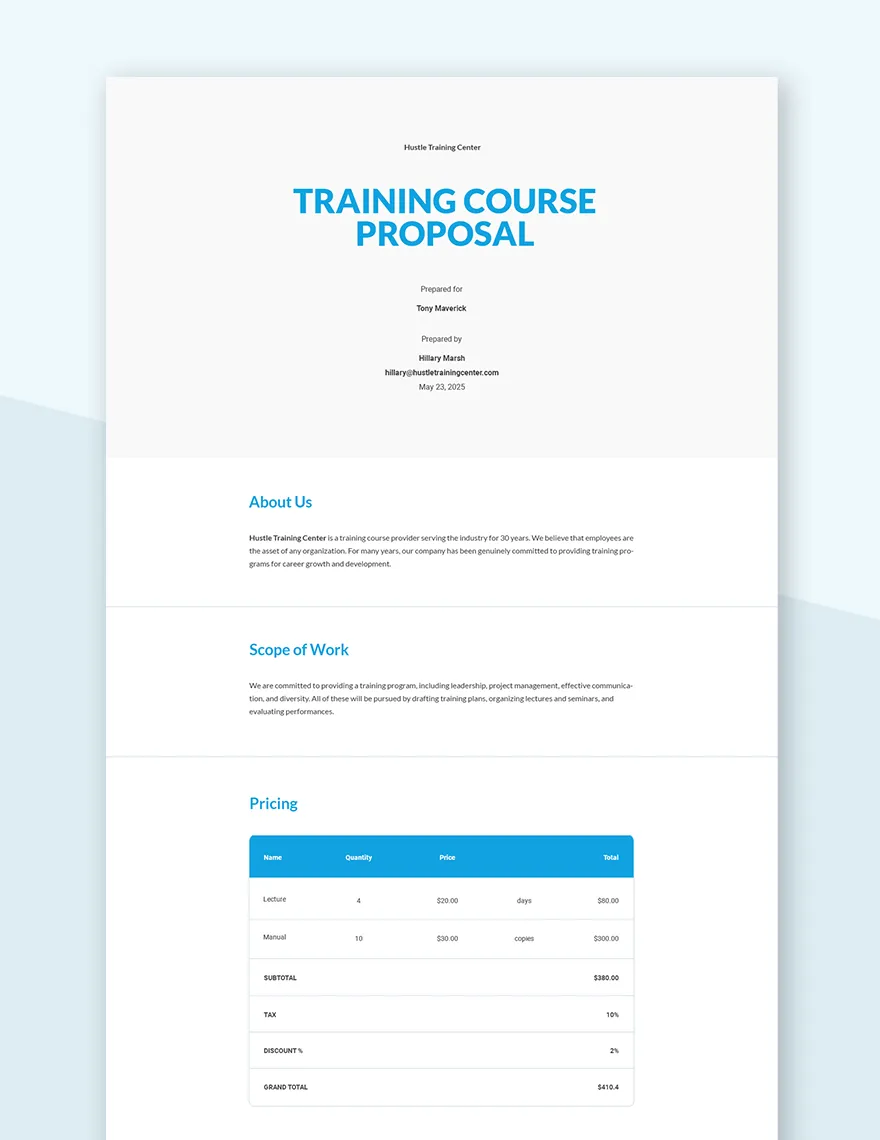
The core of the proposal then delves into the specific content, methodology, and logistical details. This includes the proposed schedule, required resources, and a detailed budget breakdown. Transparent financial planning and a clear timeline demonstrate thoughtful preparation, increasing confidence in your proposed staff training framework.
Finally, the evaluation metrics and expected outcomes sections articulate how success will be measured and the anticipated benefits. This forward-looking perspective reinforces the value proposition and justifies the investment. Providing a clear call to action then guides decision-makers on the next steps, making the approval process as straightforward as possible.
Implementing an effective in-house training program can significantly elevate your team’s capabilities and drive organizational success. By utilizing a comprehensive in house training proposal template, you can systematically plan, present, and gain approval for vital learning and development initiatives. This structured approach ensures that every aspect, from identifying needs to measuring impact, is thoughtfully considered and clearly communicated.
Remember that a successful proposal isn’t just about getting approval; it’s about setting the stage for a valuable and impactful training experience. Start with a clear vision, articulate the benefits, and provide a well-researched plan. Your proactive efforts in crafting a detailed training proposal will undoubtedly contribute to a more skilled, engaged, and productive workforce, fostering a culture of continuous improvement within your organization.