Ensuring a safe environment, whether in a commercial building, industrial facility, or even a residential setting, hinges on meticulous fire safety protocols. Among the most crucial elements of any fire prevention strategy are regularly inspected and functional fire extinguishers. Failing to properly maintain these vital pieces of equipment can lead to devastating consequences, including property damage, serious injuries, or worse. This is where a robust fire extinguisher inspection report template becomes an indispensable tool, helping organizations stay compliant and prepared.
Diligent fire extinguisher maintenance is not just a best practice; it’s often a legal requirement mandated by local fire codes and national standards like NFPA 10. Without proper documentation of these inspections, businesses risk hefty fines and compromised safety. This comprehensive guide will explore the significance of these inspections, highlight the benefits of using a standardized template, and provide insights into creating and utilizing an effective fire extinguisher inspection report template to safeguard your premises and personnel.
The Critical Role of Fire Extinguisher Inspections
Regular inspections of fire extinguishers are paramount for ensuring their readiness in an emergency. These routine checks are designed to verify that the equipment is accessible, operational, and free from any damage or obstructions that could impede its function. They are a proactive measure that prevents small issues from escalating into critical failures during a real fire event.
Understanding Regulatory Compliance
Adhering to fire safety regulations is a non-negotiable aspect of facility management. Organizations like the National Fire Protection Association (NFPA) set rigorous standards, such as NFPA 10, for the installation, inspection, testing, and maintenance of portable fire extinguishers. These regulations typically dictate that extinguishers undergo monthly visual checks and more thorough annual inspections by qualified personnel.
Failure to comply with these standards can result in significant penalties. Local fire marshals and insurance providers often require detailed inspection records to confirm due diligence. A comprehensive fire safety checklist is essential to meet these regulatory requirements and demonstrate a commitment to safety.
Benefits of Regular Maintenance and Documentation
Beyond mere compliance, consistent maintenance offers numerous tangible benefits. It extends the lifespan of your fire suppression equipment, ensuring that your investment provides reliable protection for years. More importantly, it guarantees that every extinguisher will perform as expected when seconds count, potentially saving lives and mitigating property loss.
Proper documentation, facilitated by a fire extinguisher inspection report template, provides an immutable record of these checks. This historical data is invaluable for tracking maintenance trends, identifying recurring issues, and proving that all necessary safety precautions have been taken. Such records can also be crucial in the event of an insurance claim or legal dispute, demonstrating a high standard of care.
Key Components of a Thorough Inspection
A complete fire extinguisher inspection involves a series of critical checks. These typically go beyond a quick glance and delve into the operational integrity of the unit. Trained individuals look for specific indicators of potential problems, ensuring every aspect of the extinguisher is in working order.
Common inspection points include:
- Checking the pressure gauge to ensure it is in the operable range.
- Verifying that the pull pin is intact and securely in place, preventing accidental discharge.
- Inspecting the tamper seal for any signs of breakage or removal.
- Examining the nozzle, hose, and discharge horn for any blockages, cracks, or damage.
- Assessing the physical condition of the cylinder for dents, corrosion, or leaks.
- Confirming the extinguisher is easily accessible, visible, and properly mounted.
- Verifying the date of manufacture and last professional service.
- Ensuring the correct type of extinguisher is present for the potential fire hazards in that area.
How a Fire Extinguisher Inspection Report Template Simplifies Safety Management
Managing fire safety for multiple extinguishers across a large facility can be a daunting task. A well-designed template provides a structured approach, transforming a complex process into a manageable routine. It serves as a consistent guide for inspectors and a clear record for administrators.
Streamlining Your Inspection Process
A standardized fire extinguisher inspection report template brings uniformity to your safety checks. It ensures that every inspector follows the same protocol, covering all necessary points without omission. This consistency drastically reduces the chance of human error and improves the overall quality of inspections.
By providing clear fields and checkboxes, templates guide inspectors through each step efficiently. This streamlined process saves time and resources, allowing for more frequent and thorough checks without causing undue disruption to operations. It’s an investment in efficiency that pays dividends in safety.
Ensuring Accurate Record-Keeping
One of the most significant advantages of using a specific template is the creation of a clear, accurate, and easily retrievable record. Each completed report serves as a snapshot of an extinguisher’s condition at a given time. This documentation is vital for demonstrating compliance during audits or investigations.
Detailed records allow you to track the service history of each portable fire extinguisher, including when it was last recharged or hydrostatic tested. This makes it simple to schedule future maintenance and identify any units that may require more frequent attention. Centralized record-keeping through a standardized form minimizes administrative headaches.
Customizing Your Template for Specific Needs
While general templates are a great starting point, the most effective ones are often tailored to specific organizational needs. Your facility might have unique types of fire hazards or a specific inventory of extinguishers (e.g., CO2, dry chemical, water, K-class). A customizable template allows you to include fields relevant to your particular environment.
You can add sections for specific location details, unusual conditions observed, or required remedial actions. Incorporating fields for technician notes or a clear designation for “pass” or “fail” can further enhance the template’s utility. This flexibility ensures that your inspection reports are not just forms, but truly comprehensive safety management tools.
Sample Fire Extinguisher Inspection Report Template
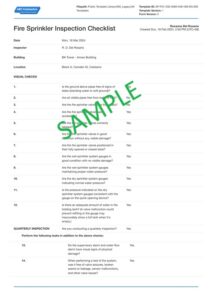
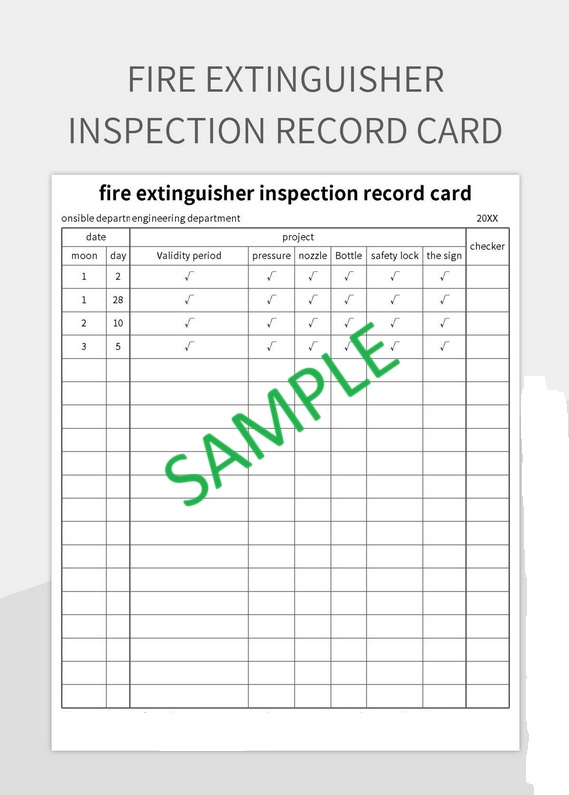
A well-structured fire extinguisher inspection report template typically includes several key sections to ensure all necessary information is captured systematically. Below is a simplified example demonstrating the format and essential fields you would expect to find. This sample is designed for clarity and easy understanding, providing a blueprint for your own inspection process.
The template begins with general information about the inspection and the location, followed by specific details about the extinguisher itself. A comprehensive checklist forms the core, detailing various inspection points. Finally, there’s a section for corrective actions and inspector sign-off, ensuring accountability.
Fire Extinguisher Inspection Report
Inspection Details:
- Date of Inspection: [MM/DD/YYYY]
- Time of Inspection: [HH:MM AM/PM]
- Inspector Name: [Print Name]
- Inspector Signature: ____________________
- Company/Department: [Company Name]
Extinguisher Details:
- Location (Building/Floor/Area): [e.g., Main Office/3rd Floor/Kitchen]
- Extinguisher ID/Serial Number: [e.g., FX-00123]
- Extinguisher Type: [e.g., ABC Dry Chemical, CO2, Water]
- Capacity (lbs/kg): [e.g., 5 lb, 10 kg]
- Last Hydrostatic Test Date: [MM/DD/YYYY]
- Last Professional Service Date: [MM/DD/YYYY]
Inspection Checklist (Mark ‘P’ for Pass, ‘F’ for Fail, ‘NA’ for Not Applicable):
| Checklist Item | Result | Notes/Comments |
|---|---|---|
| 1. Is extinguisher visible and accessible? | [P/F/NA] | |
| 2. Is pressure gauge in operable range (green)? | [P/F/NA] | |
| 3. Is pin intact and securely in place? | [P/F/NA] | |
| 4. Is tamper seal unbroken? | [P/F/NA] | |
| 5. Is nozzle/hose free from obstruction/damage? | [P/F/NA] | |
| 6. Is cylinder free from physical damage (dents, corrosion)? | [P/F/NA] | |
| 7. Is instructions label legible and facing outward? | [P/F/NA] | |
| 8. Is mounting bracket secure? | [P/F/NA] | |
| 9. Is correct type of extinguisher for hazard? | [P/F/NA] | |
| 10. Next scheduled inspection date clearly marked? | [P/F/NA] |
Overall Status: [PASS / FAIL]
Corrective Actions Required (if any):
[Describe any issues found and proposed solutions, e.g., “Gauge low – requires recharge,” “Blocked access – clear path.”]
____________________________________________________________________
____________________________________________________________________
Follow-Up Action Completed By: [Print Name and Date]
____________________________________________________________________
This sample provides a clear framework for conducting and documenting your fire extinguisher inspections. Each field serves a specific purpose, ensuring that all critical data points are captured. Using such a template makes compliance straightforward and enhances overall fire safety management.
The diligent application of a comprehensive fire extinguisher inspection report template is not merely a bureaucratic task, but a cornerstone of effective fire safety. It transforms intermittent checks into a systematic, accountable process, drastically reducing risks and ensuring that critical life-saving equipment is always ready for action. By integrating such a template into your safety protocols, you fortify your commitment to protecting people and property.
Embrace the power of structured documentation to elevate your fire safety program. Download or create a robust fire extinguisher inspection report template today to standardize your inspections, maintain impeccable records, and ensure your premises remain safe and compliant. Your proactive efforts in this area will contribute significantly to a secure environment for everyone.