Turning your vision of a vibrant home garden into a thriving reality requires more than just seeds and soil. It demands a clear roadmap, a thoughtful plan that outlines every step from conception to harvest. This is where a structured approach becomes invaluable, transforming vague dreams into actionable goals.
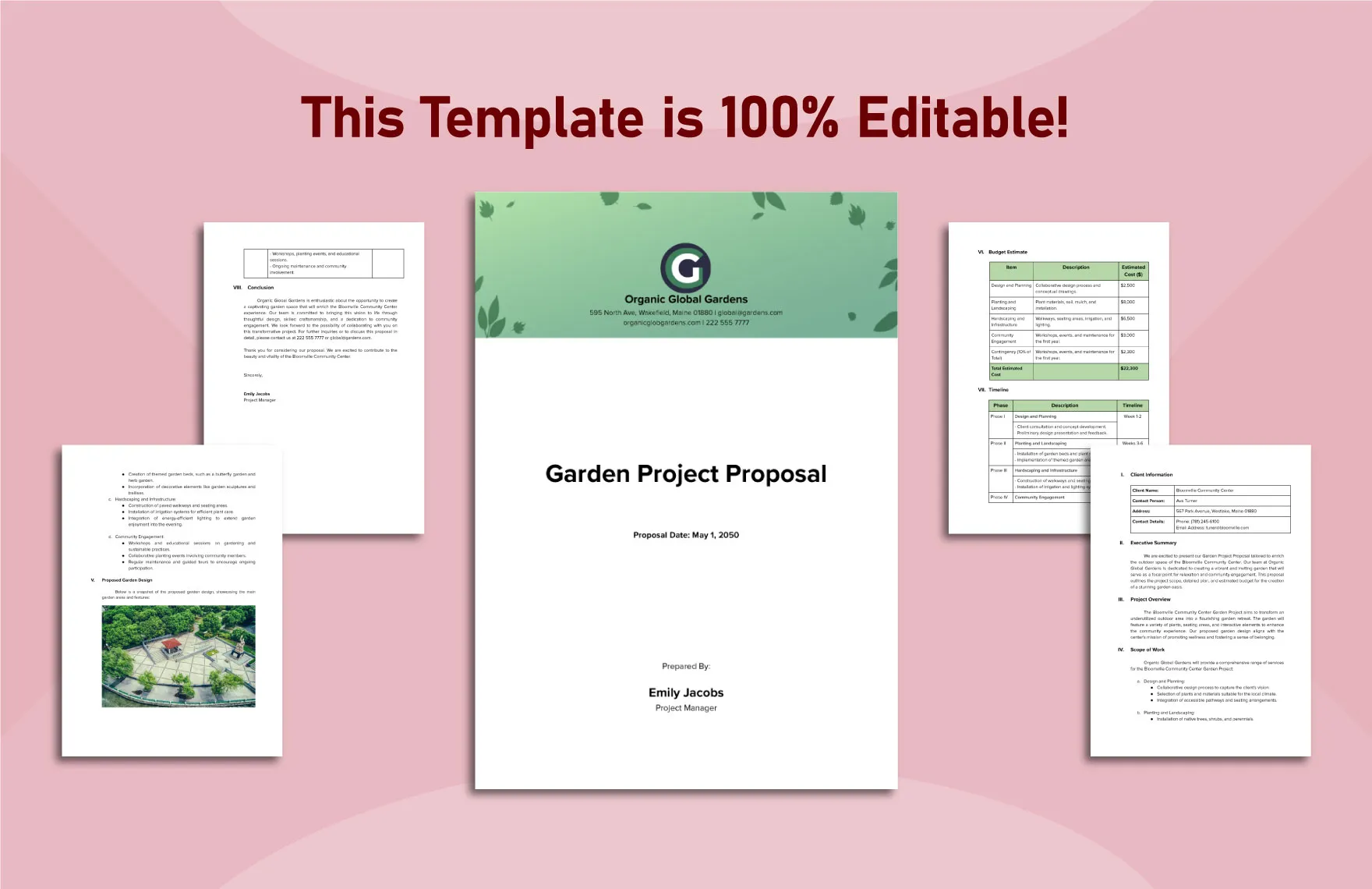
A comprehensive home gardening project proposal template serves as your blueprint, guiding you through the planning process with ease. It helps you organize your thoughts, manage resources efficiently, and anticipate potential challenges. Throughout this article, we’ll explore the essential elements of such a template, provide a sample structure, and offer practical tips to help you cultivate the garden of your dreams.
Why a Structured Plan Boosts Your Gardening Success
Embarking on any gardening endeavor, big or small, benefits immensely from careful planning. A structured garden plan helps you visualize your project, ensuring you consider all necessary steps before you even dig the first hole. This foresight can save you time, money, and frustration in the long run.
Having a clear outline prevents common pitfalls like overspending on materials or planting unsuitable species for your climate. It also helps you set realistic expectations for growth and yield. By detailing your intentions, you create a measurable framework for success. This preparation is especially crucial for more ambitious projects, allowing you to clearly articulate your vision and needs.
Essential Components of Your Garden Project Proposal
An effective garden project proposal template breaks down your gardening aspirations into manageable parts. Each section addresses a critical aspect of your project, from the initial idea to ongoing maintenance. Thinking through these components beforehand ensures a holistic and well-considered plan.
Here are the key elements you should include in your detailed proposal:
- Project Title: A clear, concise name that encapsulates your garden’s purpose.
- Project Objectives: What do you aim to achieve? (e.g., grow organic vegetables, create a pollinator-friendly space, enhance curb appeal).
- Location and Site Analysis: Describe where the garden will be, including sunlight exposure, soil type, and existing features.
- Garden Design and Layout: Sketch or describe the layout, plant choices, and any structures (raised beds, trellises).
- Materials and Tools Needed: List all required items from seeds and soil amendments to gardening tools and irrigation systems.
- Budget: An estimated cost breakdown for materials, tools, and any professional services.
- Timeline: A realistic schedule for each phase of the project, from preparation to planting and ongoing care.
- Maintenance Plan: How will the garden be cared for after establishment? (e.g., watering schedule, weeding, pest management).
- Expected Outcomes: What benefits do you foresee? (e.g., fresh produce, improved biodiversity, aesthetic enjoyment).
Addressing each of these points in your template will provide a robust foundation for your gardening project. It ensures that no vital aspect is overlooked, paving the way for a more organized and enjoyable gardening experience.
A Sample Home Gardening Project Proposal Template
Understanding the format of a home gardening project proposal template can greatly simplify your planning process. While specific details will vary, the core structure helps organize information logically. This sample illustrates what key sections might contain, ensuring you cover all essential aspects.
Here’s an example structure you can adapt:
Project Overview
Project Title: Backyard Edible Garden for Healthy Living
Proposed By: [Your Name/Household]
Date: [Current Date]
Project Summary: This project aims to transform a 100 sq ft section of the backyard into a productive edible garden. The garden will provide fresh, organic produce for our family, reduce grocery expenses, and promote sustainable living practices. Emphasis will be placed on low-maintenance, high-yield vegetables and herbs suitable for our local climate.
Goals and Objectives
Primary Goal: To establish a thriving edible garden that provides a significant portion of our family’s fresh produce needs.
Specific Objectives:
- Cultivate at least 5 different types of vegetables and 3 types of herbs.
- Implement organic pest control and fertilization methods.
- Harvest fresh produce weekly during the growing season.
- Enhance family engagement in gardening activities.
Site Analysis and Design
Location: South-facing corner of the backyard, receiving 6-8 hours of direct sunlight daily.
Soil Conditions: Existing soil is clay-heavy; will be amended with compost and raised beds.
Design Plan: Two 4×8 ft raised garden beds constructed from untreated lumber. Layout will include trellises for climbing plants and designated zones for root vegetables, leafy greens, and herbs.
Materials, Resources, and Budget
Key Materials: Untreated lumber for raised beds, organic potting mix, compost, various seeds/starter plants (tomatoes, lettuce, carrots, basil, mint, etc.), drip irrigation kit.
Tools Required: Shovel, rake, hand trowel, pruning shears, watering can.
Estimated Budget:
- Raised Bed Materials: $150
- Soil & Compost: $100
- Seeds & Plants: $75
- Irrigation System: $50
- Miscellaneous Tools: $30
- Total Estimated Cost: $405
Timeline
Phase 1 (Site Preparation & Bed Construction): March 1-15 (Clear area, build raised beds, fill with soil).
Phase 2 (Planting): March 16-31 (Direct sow seeds, transplant starter plants).
Phase 3 (Ongoing Care & Maintenance): April – October (Regular watering, weeding, organic pest management, fertilization).
Phase 4 (Harvesting): May – October (Continuous harvesting of mature produce).
Maintenance Plan
Watering: Drip irrigation system to run for 15 minutes every other day, supplemented by hand watering as needed.
Weeding: Manual weeding twice a week to minimize competition for nutrients.
Pest Control: Use of companion planting, neem oil spray, and hand-picking for organic pest management.
Fertilization: Bi-weekly application of organic liquid fertilizer during peak growing season.
Expected Outcomes and Benefits
Fresh, healthy, organic produce readily available at home. Reduced weekly grocery bills for fruits and vegetables. Increased outdoor activity and connection with nature. Enhanced family learning about food cultivation. Improved backyard aesthetics.
This detailed outline, often presented as an editable document or a printable PDF, provides a clear roadmap. Whether you’re using a free home gardening project proposal template in Word or a more sophisticated version, adapting these sections will ensure a comprehensive plan.
Tips for Crafting an Impactful Garden Proposal
Beyond just filling in the blanks, making your garden proposal truly impactful involves thoughtful consideration and clear communication. Even if it’s just for yourself, a well-crafted plan increases your chances of sticking with the project and achieving your goals. Remember to be realistic about your time commitment and resources.
First, conduct thorough research on your chosen plants and local climate conditions. Understanding soil needs, sunlight requirements, and watering schedules will prevent many common gardening disappointments. Secondly, involve other household members in the planning process; this fosters shared ownership and enthusiasm. Finally, don’t be afraid to start small and expand as your experience grows.
The goal is to create a document that is both aspirational and practical, ensuring your gardening efforts are enjoyable and fruitful. By taking the time to plan meticulously using a home gardening project proposal template, you are setting yourself up for a bountiful harvest and a rewarding gardening journey. It allows you to transform your outdoor space into a productive and beautiful extension of your home.