In any structured environment, be it an office building, a school, or a healthcare facility, preparing for emergencies is paramount. A crucial aspect of this preparedness is conducting regular fire evacuation drills. However, merely conducting a drill isn’t enough; documenting its outcome thoroughly is equally vital for safety compliance and continuous improvement. This is where a robust fire evacuation drill report template becomes an indispensable tool, transforming a simple practice into a valuable learning experience.
These drills serve as a practical test of your emergency response plan, highlighting both strengths and potential weaknesses. A well-crafted report template ensures that every critical detail of the drill, from timing to participant observations, is systematically captured. This comprehensive record is essential for meeting regulatory requirements and enhancing the overall safety protocols of your organization.
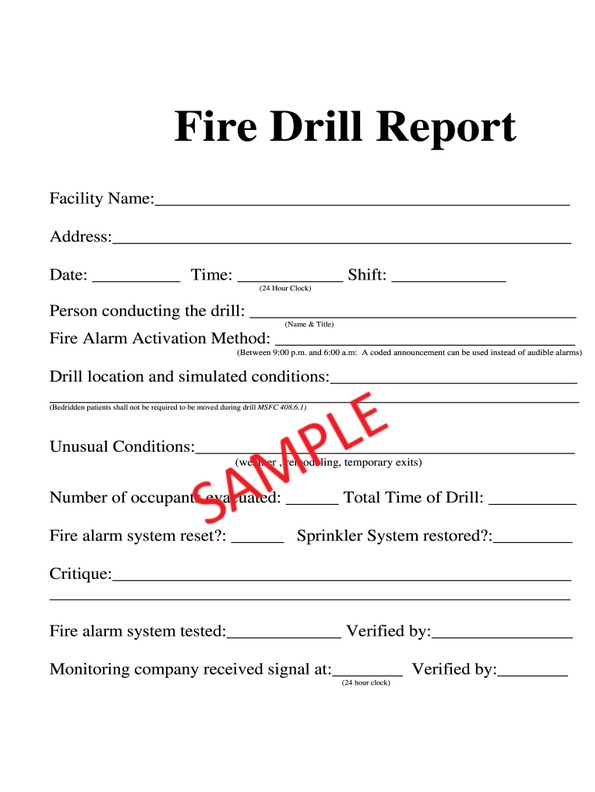
Understanding how to effectively document these drills is key to fostering a safer environment for everyone. This article will delve into the critical aspects of fire drill reporting, explain its significance, and provide a clear sample of what an effective fire evacuation drill report template should include. You’ll learn how detailed documentation can turn a routine exercise into a powerful instrument for risk mitigation and improved emergency response.
Understanding the Importance of Fire Drill Documentation
Effective fire drill documentation goes far beyond a simple checklist; it provides a comprehensive historical record of your emergency preparedness efforts. This detailed paper trail is crucial for several reasons, allowing organizations to analyze, learn, and continually refine their safety procedures. Without proper documentation, the valuable insights gained from a drill can be lost, diminishing its overall impact.
The process of documenting fire drills ensures accountability and transparency within the organization. It clarifies roles, responsibilities, and the effectiveness of training provided to staff and occupants. Regularly reviewing these reports helps to identify patterns, emerging risks, and areas where further education or infrastructure improvements may be necessary to protect lives and property.
Meeting Regulatory Compliance Standards
Many jurisdictions and industry regulations mandate regular fire evacuation drills and require meticulous records of their execution. Organizations must demonstrate adherence to these safety standards to avoid penalties and maintain operational licenses. A properly completed fire evacuation drill report template serves as verifiable proof of compliance.
These regulatory bodies, such as OSHA or local fire departments, often conduct audits and inspections. Having readily available, well-documented reports can streamline these processes and showcase your commitment to safety. Non-compliance can lead to significant fines, legal issues, and severe reputational damage, underscoring the necessity of accurate record-keeping.
Identifying Areas for Safety Improvement
The true value of a fire drill lies in its ability to expose weaknesses in an emergency plan or its execution. Documentation provides the structured framework to capture these observations systematically. Without a detailed report, critical flaws might be overlooked, leading to recurrent issues in genuine emergencies.
For instance, a report might reveal blocked exits, confusion regarding assembly points, or communication breakdowns. By logging these incidents, organizations can pinpoint specific areas requiring attention, such as clearer signage, additional staff training, or re-evaluation of evacuation routes. Each drill, therefore, becomes a valuable opportunity for learning and enhancement.
Enhancing Emergency Preparedness
Consistent documentation contributes directly to a culture of continuous improvement in emergency preparedness. Each completed report adds to an institutional knowledge base that can be leveraged for future training and planning. It allows for tracking progress over time and assessing the impact of implemented changes.
Analyzing a series of fire drill reports can reveal long-term trends in evacuation times, participant understanding, or equipment functionality. This data-driven approach helps safety managers make informed decisions, allocate resources effectively, and proactively address potential hazards before a real emergency strikes. Ultimately, better documentation leads to a more resilient and prepared organization.
Key Elements of an Effective Fire Evacuation Drill Report Template
A truly effective fire evacuation drill report template is more than just a form; it’s a comprehensive tool designed to capture every significant detail of an emergency exercise. It ensures consistency across drills and provides the necessary data for thorough analysis and improvement. A well-structured template guides observers through critical areas, preventing important information from being missed.
The design of the template should be intuitive, encouraging precise and objective reporting from those conducting and observing the drill. Clear sections and prompts help gather quantitative data, such as timings, as well as qualitative observations regarding participant behavior and system performance. This balanced approach provides a holistic view of the drill’s success and shortcomings.
Essential Information for Every Report
Every fire evacuation drill report must begin with fundamental details that provide context and identification. This information helps in organizing records and quickly locating specific drill data when needed for review or compliance purposes. Accuracy in these initial entries sets the stage for a reliable report.
Key basic information to include:
- Date and Time of Drill: When the drill officially started and concluded.
- Location/Building: The specific premises where the drill took place.
- Type of Drill: Indication if it was a full evacuation, partial, or other specific scenario.
- Drill Coordinator/Observer(s): Names and roles of individuals overseeing the drill.
- Number of Occupants Evacuated: Total count of people who participated.
- Weather Conditions: Relevant if outdoor assembly points are affected.
Documenting Observations and Incidents
This section is the core of the report, detailing what actually transpired during the evacuation. It requires keen observation and objective recording of both positive outcomes and areas needing improvement. Specificity is key to making these observations actionable.
Examples of observations to document:
- Evacuation Start Time: When the alarm was initiated.
- Evacuation Completion Time: When the last person reached the assembly point.
- Total Evacuation Time: The duration from alarm to completion.
- Path of Evacuation: Any deviations from planned routes.
- Blocked Exits/Obstructions: Identification of any impediment to evacuation flow.
- Communication Effectiveness: Clarity of alarms, PA announcements, and staff directives.
- Assembly Point Issues: Overcrowding, confusion, or lack of accountability at designated areas.
- Specific Incidents: Any slips, falls, panic, or non-compliance observed.
- Effectiveness of Fire Wardens/Marshals: How well they performed their duties.
Post-Drill Analysis and Recommendations
Following the detailed observations, a crucial step involves analyzing the collected data and formulating concrete recommendations. This transforms raw information into actionable insights that can genuinely enhance future emergency responses. This section should be forward-looking and solution-oriented.
Elements of post-drill analysis:
- Overall Assessment: A summary of the drill’s success and major challenges.
- Identified Strengths: What aspects of the plan or execution worked particularly well.
- Identified Weaknesses: Specific areas requiring improvement, backed by observations.
- Recommendations for Improvement: Concrete suggestions for addressing weaknesses.
- Action Plan: Who is responsible for implementing recommendations and by when.
- Follow-up Date: When the effectiveness of implemented changes will be reviewed.
Sample Fire Evacuation Drill Report Template
A well-structured fire evacuation drill report template simplifies the documentation process and ensures consistency. This sample provides a framework, but remember to tailor it to your specific organizational needs and local regulations. It focuses on clarity, comprehensiveness, and ease of use, making it an invaluable tool for any safety manager.
The format presented here ensures that all critical data points are captured systematically. This structure aids in swift review, comparison between drills, and accurate reporting to relevant authorities. Utilizing such a template standardizes the documentation, leading to more reliable insights for improving emergency preparedness.
FIRE EVACUATION DRILL REPORT
Section 1: Drill Identification
**Date of Drill:** ____________________________
**Time of Drill (Start/End):** ____________________________
**Building/Facility Name:** ____________________________
**Address:** ____________________________
**Type of Drill (e.g., Full Evacuation, Partial, Unannounced):** ____________________________
**Drill Coordinator/Manager:** ____________________________
**Observer(s):** ____________________________
**Total Occupants Expected:** ___________
**Total Occupants Evacuated:** ___________
**Weather Conditions During Drill:** ____________________________
Section 2: Drill Execution Details
**Alarm Activation Time:** ____________________________
**Method of Alarm Activation:** (e.g., Manual pull, Smoke Detector, Pre-planned) ____________________________
**Evacuation Commencement Time:** ____________________________
**Final Occupant to Assembly Point Time:** ____________________________
**Total Evacuation Time:** ____________________________ minutes
**Assembly Point(s) Used:** ____________________________
**Clarity of Assembly Point Signage:** (e.g., Clear, Confusing, Absent) ____________________________
Section 3: Observations and Incidents
- **Exit Route Status:** Were all designated exit routes clear and accessible? Yes / No (If no, specify obstructions and locations): ________________________________________________________________________________________________
- **Emergency Lighting/Signage:** Were all emergency lights and exit signs operational? Yes / No (If no, specify issues): ________________________________________________________________________________________________
- **Fire Alarm System:** Did the alarm sound clearly throughout the building? Yes / No (If no, specify areas affected): ________________________________________________________________________________________________
- **Communication:** How effective was communication (e.g., PA system, warden instructions)? ________________________________________________________________________________________________
- **Occupant Response:**
- Initial response speed: (e.g., Immediate, Delayed, Confused) ________________________________
- Adherence to evacuation procedures: (e.g., Orderly, Disorganized, Panic) ________________________________
- Any specific areas of congestion or bottlenecks: ________________________________
- **Fire Warden/Marshal Performance:**
- Effectiveness in guiding occupants: ________________________________
- Accountability for designated areas: ________________________________
- Assistance provided to persons with disabilities/special needs: ________________________________
- **Incidents Observed (e.g., blocked exits, delayed response, injuries, non-compliance):**
________________________________________________________________________________________________
________________________________________________________________________________________________
Section 4: Analysis and Recommendations
**Overall Assessment of Drill Effectiveness:** (e.g., Excellent, Good, Fair, Poor)
________________________________________________________________________________________________
________________________________________________________________________________________________
**Strengths Identified:**
________________________________________________________________________________________________
________________________________________________________________________________________________
**Weaknesses/Areas for Improvement:**
________________________________________________________________________________________________
________________________________________________________________________________________________
**Specific Recommendations for Action:**
- 1. Action: ________________________________________ Responsible Person: ________________________ Target Date: _________
- 2. Action: ________________________________________ Responsible Person: ________________________ Target Date: _________
- 3. Action: ________________________________________ Responsible Person: ________________________ Target Date: _________
**Follow-up Plan:** (e.g., Next drill date, review meeting date)
________________________________________________________________________________________________
Section 5: Signatures
**Drill Coordinator Signature:** ____________________________ **Date:** ____________________________
**Safety Manager Signature (if applicable):** ____________________________ **Date:** ____________________________
Implementing a comprehensive fire evacuation drill report template is a proactive step toward ensuring robust safety measures in any organization. It transforms each drill from a mere exercise into a critical data-gathering and learning opportunity, driving continuous improvement in emergency preparedness. The diligent use of such a template not only helps meet regulatory compliance but also significantly enhances the safety and security of all occupants.
By consistently documenting drill performance, identifying areas for improvement, and acting on recommendations, businesses and institutions can build a stronger, more resilient safety culture. This commitment to detailed record-keeping safeguards lives and property, providing peace of mind in the face of potential emergencies. Take the initiative today to refine your emergency response plan with an effective reporting system.